
Why Does Ozdikenosis Kill You? A Simple Explanation
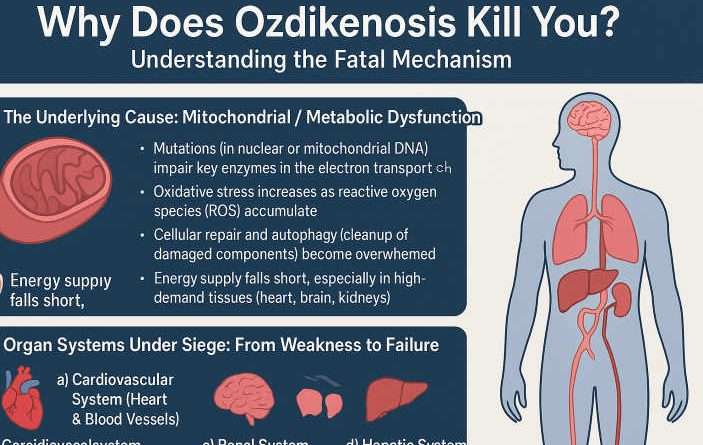
Many people are confused about how a disease that causes tissue death can become life-threatening. In simple words, necrosis means that a part of your body — like skin, muscle, or even an organ — stops getting blood, stops working, and starts to die. When a part of the body dies, it does not heal by itself. Instead, it becomes dangerous for the whole body.
Necrosis can happen because of infections, lack of blood flow, serious injuries, burns, toxins, or certain diseases. No matter what causes it, the result is the same: the affected area becomes dead tissue. And dead tissue is extremely harmful if not treated quickly.
Below is a clear and easy explanation of why necrosis can kill you, written in human-friendly language.
What Necrosis Really Means
To understand the danger, imagine your body like a city. Blood vessels are the roads, and blood is the delivery system that brings oxygen, nutrients, and immune protection. When a part of the body gets blocked from these supplies, the cells in that area start suffocating. After some time, they die — this is necrosis.
Dead tissue becomes something like a “rotting area” in the body. Since your body is alive and warm, this dead area becomes the perfect place for bacteria to grow. If bacteria multiply too much, they can reach the bloodstream and cause very serious infection.
This is where things get dangerous.
Why Necrosis Is So Dangerous
Necrosis is not dangerous only because the tissue dies, but because of everything that happens after the tissue dies. Here are the main reasons necrosis can lead to death:
1. Dead Tissue Becomes Toxic
Dead cells release harmful chemicals. These toxins irritate surrounding healthy tissue and create inflammation. When inflammation becomes too strong, it affects your whole body.
This can cause:
-
high fever
-
low blood pressure
-
shock
-
multi-organ failure
If these toxins reach your bloodstream, your entire body can start shutting down.
2. Bacteria Grow Rapidly in Dead Tissue
Necrotic tissue is like food for bacteria. They multiply fast because there is no oxygen and no immune cells fighting them. This can lead to:
-
gangrene
-
severe wound infection
-
fast-spreading skin infection
-
sepsis
Sepsis happens when an infection spreads through the entire bloodstream. Many people die from septic shock if they do not get treatment quickly.
3. Necrosis Can Cut Off Blood Flow to More Areas
Sometimes the dead tissue itself blocks nearby blood flow. This can cause more tissue death around the original area. For example:
-
If necrosis starts in the foot, it can spread up the leg.
-
If necrosis starts in the pancreas, it can affect major organs.
-
If necrosis happens in the intestines, the whole digestive system can shut down.
The more tissue dies, the harder it becomes for doctors to save the person.
4. The Immune System Becomes Overwhelmed
Your immune system tries its best to fight infection and remove dead tissue. But if there is too much necrosis, the immune system becomes exhausted. It can no longer control infection or inflammation. This leads to:
-
uncontrolled bacterial growth
-
uncontrollable inflammation
-
organ damage
Your immune system may go into overdrive and attack your healthy organs too. This is another way necrosis becomes deadly.
5. Organs Can Fail Completely
If necrosis happens in a major organ, that organ may stop working permanently. For example:
-
Heart necrosis → heart attack, fatal arrhythmia
-
Brain necrosis → coma, permanent brain damage, death
-
Liver necrosis → liver failure, toxins build up
-
Pancreas necrosis → internal infection, bleeding, shock
-
Bowel necrosis → bacteria escape into the body, life-threatening infection
When one organ fails, the other organs start failing too. Doctors call this “multi-organ failure,” and it is extremely difficult to treat.
What Happens If Necrosis Is Not Treated
If necrosis is ignored, the body begins to shut down step by step:
-
Tissue dies
-
Bacteria invade the dead area
-
Infection spreads
-
Blood becomes contaminated (sepsis)
-
Blood pressure drops (septic shock)
-
Organs fail
-
Death occurs
This process can happen slowly or extremely fast, depending on the type of necrosis and the person’s health.
Some types, like necrotizing fasciitis, can spread in hours.
How Doctors Treat Necrosis
Doctors do everything possible to stop necrosis from spreading. Common treatments include:
1. Removing Dead Tissue
This is called debridement. Doctors carefully cut away the dead tissue so infection cannot grow. It sounds scary, but it saves lives.
2. Powerful Antibiotics
These help fight the bacteria that cause infection. Sometimes patients need antibiotics through a vein for weeks.
3. Surgery
If necrosis is severe, doctors may need to remove a large area of tissue or even amputate a limb to save the person.
4. Treating the Underlying Cause
For example:
-
improving blood flow
-
controlling diabetes
-
treating burns
-
stopping infection
5. ICU Support
If necrosis has caused sepsis or organ failure, the patient may need intensive care:
-
ventilators
-
dialysis
-
IV fluids
-
blood pressure medications
With fast treatment, many people recover.
Can Necrosis Be Prevented?
Some important ways to reduce the risk include:
-
controlling diabetes
-
treating infections early
-
avoiding injuries
-
improving circulation
-
keeping wounds clean
-
getting medical care if swelling or black skin appears
Never wait if you see signs like:
-
sudden severe pain
-
black or dark skin patches
-
foul smell
-
fever
-
swelling
These are emergency symptoms.
Final Words
Necrosis becomes deadly not because the tissue dies, but because of what comes after: infection, toxins, sepsis, and organ failure. If necrosis spreads or is not treated on time, the whole body can shut down. But with early care, antibiotics, and sometimes surgery, many people survive and recover.


