
What Most People Don’t Realise About Pregnancy Back Pain
Key Takeaways:
- Pregnancy-related back pain often starts earlier than expected and builds gradually
- Hormonal and structural changes cause joint instability and pelvic misalignment
- Rest alone isn’t enough to manage symptoms effectively during pregnancy
- Postural imbalances from pregnancy can continue long after birth without support
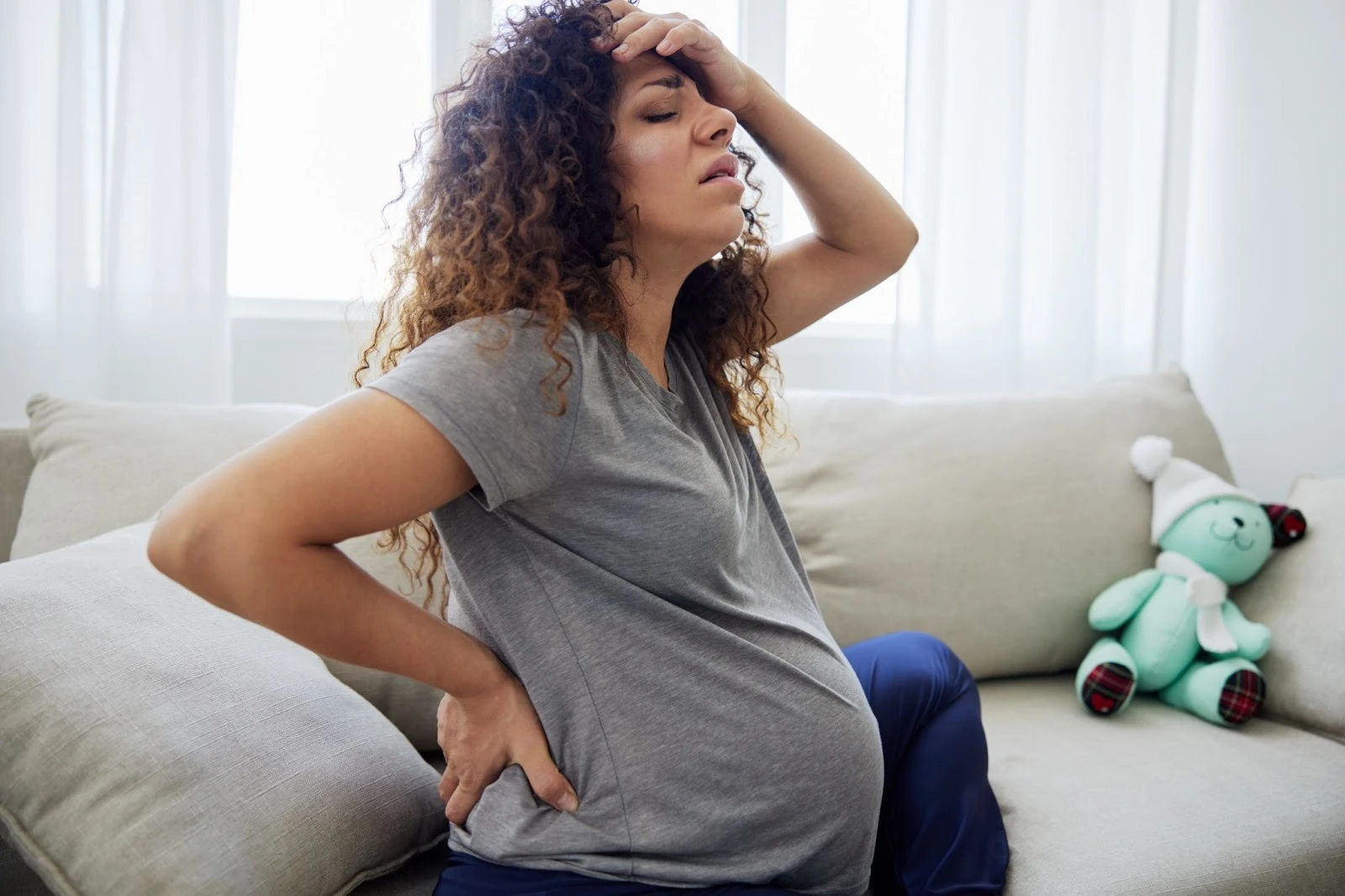
You’re probably expecting some back pain during pregnancy—most people do. It’s treated like a given, something you just deal with as part of the experience. Friends warn you, doctors mention it briefly, and pregnancy books chalk it up to normal change. But what if that discomfort wasn’t as inevitable as everyone makes it sound?
The truth is, not all pregnancy back pain is caused by extra weight or a growing belly. In many cases, it’s your body’s attempt to adapt—and sometimes overcompensate—for all the changes happening at once. If you’re already feeling tight through your lower back or waking up with stiffness you didn’t have a few months ago, there’s a reason. And it has more to do with internal shifts than the baby bump itself.
Hormones and Joint Instability Often Go Unnoticed
One of the biggest culprits behind pregnancy-related back pain is often invisible. As early as the first trimester, your body starts releasing relaxin—a hormone designed to loosen ligaments and prepare your pelvis for delivery. It does its job well, but there’s a trade-off. The exact process that helps make birth easier can also reduce joint stability, especially around the lower back and hips.
When joints don’t have the usual support, your muscles start working overtime to compensate. That can create tension where you least expect it. For many women, this leads to discomfort that’s hard to trace. One day, there’s a sharp pull in the hip. Next, it’s a deep ache in the lower spine. Because these shifts happen gradually, they’re often mistaken for normal soreness. But what’s really happening is a structural change that affects how your body moves, rests, and responds to daily stress.
The Role of the Pelvis in Referred Back Pain
Your pelvis does more than just support the baby. It’s the central connection point for your spine, hips, and core muscles. As pregnancy progresses and your centre of gravity moves forward, the pelvis tilts to adapt. That change might feel subtle at first, but it can have a ripple effect across your entire body.
What many people don’t realise is that pain felt in the back often starts in the pelvis. As it shifts, certain muscles tighten while others get overstretched. That imbalance can lead to referred pain—where the discomfort shows up somewhere other than the source. Some women feel it through the lower back, while others feel it down the legs or into the glutes. The pain can even move throughout the day, depending on how you sit, walk, or sleep.
This isn’t just a posture issue. It’s about how alignment changes under pressure, and how your body tries to keep up. Without support, those minor adjustments become patterns. And those patterns can lead to persistent discomfort that lasts long after the pregnancy is over.
Early Support Makes a Bigger Difference Than Most Expect
Back pain during pregnancy often feels like something you have to tolerate. But catching those early changes in how your body moves can make all the difference—not just for your comfort now, but for your recovery later. What surprises many women is how soon those changes begin. It’s not just a third-trimester issue. For some, the discomfort starts before the bump even shows.
Early intervention can help your body adapt better as it goes through each stage. Support doesn’t always mean formal treatment. Sometimes it’s about understanding how your joints are responding, or why certain movements feel harder than they used to. That’s why some women choose to see maternity chiropractors during pregnancy—not just for pain relief, but to stay ahead of the physical stress that builds up over time.
By addressing small imbalances early on, it’s often possible to avoid more significant issues later in pregnancy. And while everyone’s experience is different, having someone assess how your body is moving under pressure can be a key part of staying mobile and pain-free.
Why Rest Alone Isn’t Enough
When your back hurts, it’s natural to want to lie down and give it a break. But during pregnancy, too much rest can sometimes backfire. Muscles that are already working hard to stabilise your body can become weaker if they’re not being used. Joints stiffen. Circulation slows down. What feels like relief in the moment can lead to more tension the next day.
The kind of movement that helps during pregnancy isn’t about pushing yourself. It’s about gentle, controlled activity that supports the changes your body is already going through. Walking, light mobility work, or guided stretching can improve how your muscles and joints work together. These small movements keep your spine flexible and reduce the build-up of tension that leads to stiffness or soreness.
If you’re relying only on rest to get through back pain, you’re likely missing out on a faster and more sustainable recovery. Movement helps maintain muscle tone and coordination—both of which play a role in how well your body handles pregnancy as it progresses. Rest has its place, but it works best when paired with thoughtful, consistent activity tailored to what your body actually needs.
Postural Changes Can Linger After Birth
It’s easy to assume that once the baby arrives, the discomfort will disappear. But your body doesn’t instantly bounce back to its pre-pregnancy state. The postural shifts that developed over months don’t vanish overnight. In fact, they often linger quietly in the background—especially if they were never properly addressed.
After birth, there’s a new layer of physical strain: feeding, carrying, and constant bending over. If the spine and pelvis are still out of balance, these daily movements can reinforce pain patterns that started during pregnancy. That’s why postpartum recovery isn’t just about healing from delivery. It also involves unwinding the adaptations your body made along the way.
Without some form of corrective movement or support, it’s common for those imbalances to persist. That might look like ongoing back pain months after birth, or stiffness that seems to appear out of nowhere. Recovery is most effective when it recognises that pregnancy was a gradual change, and healing needs to be just as intentional.
Supporting Your Body Through Every Stage
Back pain during pregnancy isn’t always dramatic. Sometimes it shows up as a subtle pull in the lower spine, a twinge in the hips, or fatigue that builds throughout the day. But just because it’s common doesn’t mean it should be ignored. The earlier you understand what your body is adjusting to, the easier it is to support those changes in a way that actually works.
Every stage of pregnancy puts new demands on your body. By paying attention to alignment, joint function, and how your muscles are responding, you can avoid some of the more persistent issues that often get brushed off as usual. Staying proactive gives you a better chance of moving through each trimester with more ease—and recovering afterwards with fewer setbacks.
It’s not about eliminating every ache or preventing all discomfort. But when your body is supported properly, it doesn’t have to carry unnecessary strain. And that can make all the difference, both during pregnancy and well beyond it.


