
What Actually Happens During a Mercury Retrograde? An Astronomical Guide Ahead of 2026’s Three Cycles
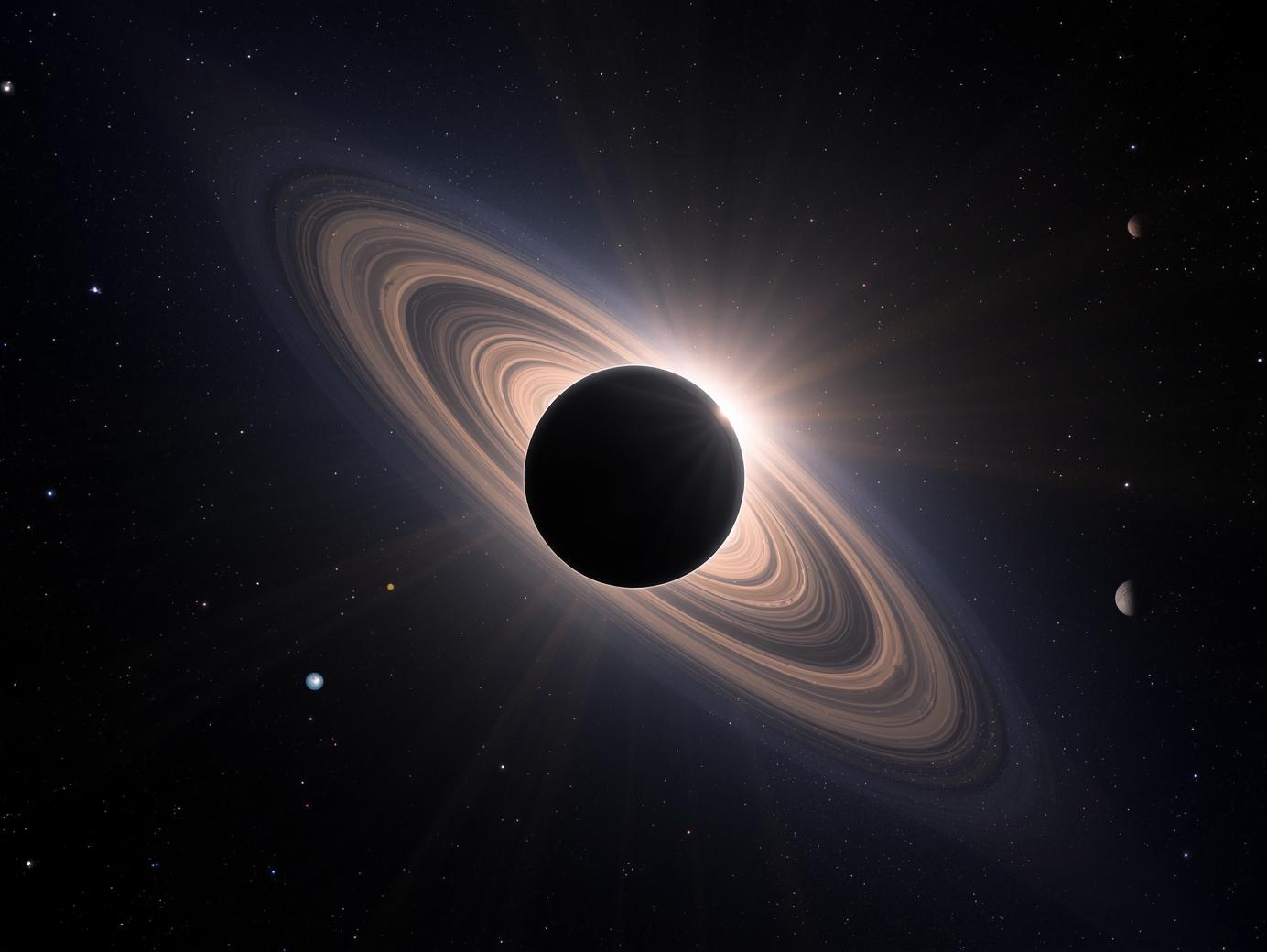
Several times each year, Mercury appears to reverse direction against the backdrop of stars—a curious shift that puzzled ancient skywatchers long before astronomers understood the geometry behind it. This optical illusion, known as apparent retrograde motion, is one of the most recognizable cycles in planetary observation.
In 2026, Mercury will enter retrograde three times, each providing a fresh opportunity for skywatchers to follow the planet’s changing motion:
• April 1–April 25
• August 5–August 28
• November 25–December 15
Astrologers may treat these dates symbolically, but astronomy tells a different story—one rooted in orbital mechanics, viewing angles, and the shifting interplay between Earth and the innermost planet.
Why Mercury Appears to Move Backward
Retrograde motion is entirely perspective-driven. All planets move counterclockwise around the Sun, but each follows a unique orbital speed and distance. Mercury, traveling closer to the Sun, orbits far faster than Earth.
When Mercury overtakes Earth or when Earth overtakes Mercury, the line of sight from our planet shifts in such a way that Mercury appears to slow, stop, and reverse direction temporarily. It’s the same visual trick you experience when a faster vehicle passes you on the highway—momentarily, it seems as if you’re drifting backward.
Astronomers call this apparent retrograde motion because Mercury’s true orbital path never reverses.
The Retrogrades of 2026
April 1–April 25, 2026
A spring retrograde mostly visible in morning twilight, offering short but rewarding viewing opportunities.
August 5–August 28, 2026
A challenging retrograde due to Mercury’s low altitude and closeness to the Sun. Binoculars will significantly improve visibility.
November 25–December 15, 2026
The best viewing window of the year for northern observers, with Mercury rising higher and more distinctly in evening twilight.
Observing Mercury During Retrograde
Mercury’s elusive nature makes tracking its retrograde motion a rewarding exercise for any skywatcher. Observers can sketch its path over consecutive evenings and watch the subtle backward drift unfold against the stellar background.
Look for Greatest Elongation
Mercury reaches peak visibility near greatest elongation—its maximum separation from the Sun.
Use Binoculars in Twilight
Low contrast near the horizon often requires optical help, especially during the August retrograde.
Retrograde in Cultural Context
Long before heliocentric models clarified the mechanics of planetary motion, ancient observers were captivated by the sudden reversals of the wandering stars. These unusual loops in the sky became woven into cultural narratives, symbolism, and later, astrology.
Today, astrology psychics frequently interpret Mercury retrograde as a period of introspection or communication challenges. From a scientific standpoint, such interpretations belong to the realm of cultural tradition rather than physical influence, but they persist because retrograde motion remains visually striking and emotionally evocative.
The So-Called “Shadow Period,” Explained Scientifically
Astrologers often describe a “shadow period” before and after retrograde, during which Mercury retraces the same region of sky. Scientifically, this occurs because Mercury passes through the same right ascension and declination three times while Earth adjusts its position relative to Mercury’s orbit.
This loop creates a practical benefit for observers: Mercury’s brightness, speed, and altitude shift noticeably during these passes, offering an extended viewing window.
Why Retrograde Matters to Observers
For astronomy enthusiasts, Mercury retrograde is not a warning but an invitation. It’s a hands-on demonstration of orbital geometry and a reminder that the solar system is constantly in motion.
These cycles offer the chance to:
• Watch planetary perspective effects unfold in real time
• Compare Mercury’s position over several nights
• Photograph or sketch the retrograde arc
• Deepen understanding of inner-planet orbital mechanics
As 2026 approaches, marking the three retrograde intervals provides the perfect opportunity to observe one of the most elegant illusions in planetary astronomy. With clear horizons and a bit of twilight patience, you can watch Mercury perform a celestial loop that has fascinated humanity for thousands of years.


