
The Appeal of Modern Loft Apartments in Urban Centers
Modern loft apartments in Minneapolis are a world away from our old New England home, but I have always had a soft spot for that exposed brick and timber beam aesthetic, the kind of space that feels like it has a real story behind it. The distinction between hard lofts and soft lofts genuinely taught me something new, since I always assumed a loft was a loft, and I had no idea there was a whole category of new construction specifically built to mimic that industrial character rather than actually having it.
Defining Characteristics of Modern Loft Apartments
Modern loft apartments in Minneapolis are more than just living spaces; they are a lifestyle choice, deeply rooted in the city’s industrial heritage yet thoroughly updated for contemporary urban dwellers. These unique residences stand out from traditional apartments through several defining characteristics that contribute to their distinctive appeal.
At their core, lofts are known for their expansive, open floor plans, which offer unparalleled flexibility in how residents configure their living areas. Unlike compartmentalized apartments, lofts often feature minimal interior walls, creating a sense of vastness and continuity. This open concept is frequently complemented by soaring high ceilings, which not only enhance the feeling of space but also allow for dramatic vertical design elements.

Architectural details often highlight the building’s past. Exposed elements like brick walls, original timber beams, and visible ductwork are common, adding rustic charm and character. Large, often oversized windows are another hallmark, flooding the interiors with abundant natural light and frequently offering sweeping city views. This connection to the outside world, combined with the raw, industrial aesthetic, creates an environment that feels both grounded and exhilarating.
Beyond aesthetics, modern lofts are equipped with features designed for convenience and comfort. Many units include in-unit laundry facilities, a significant amenity for urban living. High-speed internet connectivity is standard, catering to the needs of remote workers and digital natives. While concrete flooring is a frequent choice, reflecting the industrial origins, many renovated lofts now incorporate a mix of materials, blending the old with sleek, modern finishes. These characteristics collectively define the unique allure of loft living in Minneapolis, offering a blend of historical context and modern functionality.
The Evolution of Urban Living: Hard Lofts vs. Soft Lofts
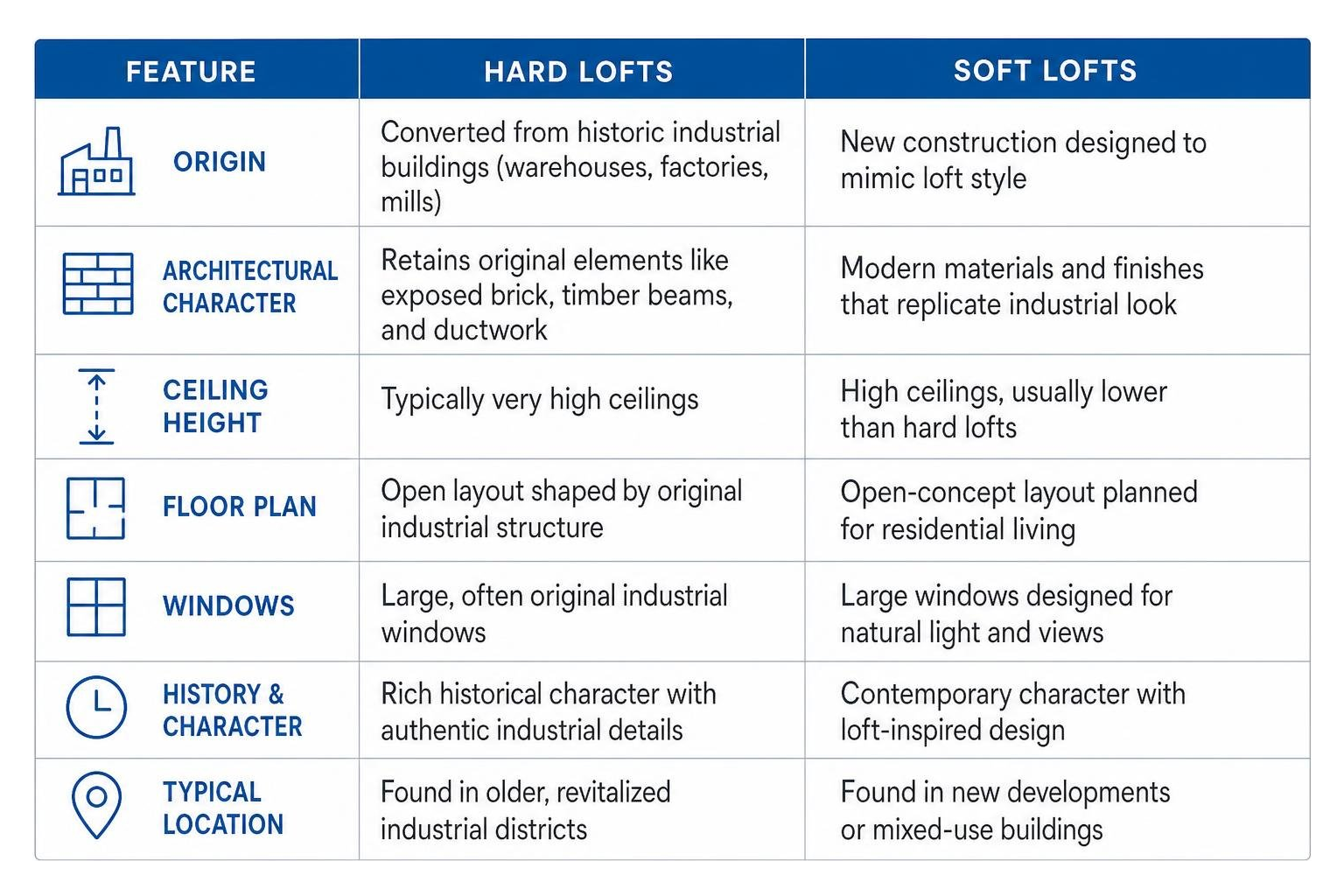
The landscape of loft apartments in Minneapolis reflects a fascinating evolution in urban development, encompassing both the preservation of historical structures and the innovation of new construction. This has led to two primary categories: “hard lofts” and “soft lofts.” Understanding the distinction between these types is crucial for anyone exploring lofts for rent in Minneapolis.
Hard lofts represent the quintessential loft experience. These are typically industrial warehouses, factories, or commercial buildings that have been meticulously converted into residential units. Their design ethos centers on historical preservation, retaining many of the original architectural elements that tell the story of the building’s past.
In contrast, soft lofts are newer constructions designed to emulate the aesthetic and spaciousness of traditional hard lofts. While they may feature high ceilings, large windows, and open floor plans, they are built from the ground up with residential use in mind, often incorporating modern building materials and technologies.
Architectural Elements in Historic Modern Loft Apartments
Historic modern loft apartments, often found in Minneapolis’s revitalized industrial areas, are celebrated for their authentic character and unique architectural elements. These “hard lofts” embody the city’s rich industrial heritage, offering residents a tangible connection to the past. Many of these properties began their lives as bustling factories, mills, or warehouses, particularly in areas like the North Loop.
When these buildings undergo transformation into residential spaces, great care is taken to preserve their original features. You’ll often find stunning original timber beams, which provide structural integrity and a warm, inviting aesthetic. Exposed brick walls are another signature element, showcasing the building’s raw construction and adding a rustic, urban charm. These elements, combined with the vast open spaces and large windows typical of industrial design, create living environments that are both grand and intimate. Exploring these unique offerings, such as the thoughtfully designed renovated warehouse apartments that blend historical significance with contemporary comfort, reveals the true appeal of these distinctive homes. The historical charm of these buildings in neighborhoods like the North Loop Minneapolis is a major draw for those seeking a living space with a story.
Contemporary Features in New Construction Modern Loft Apartments
While hard lofts celebrate history, soft lofts embrace contemporary design and modern convenience. These new construction modern loft apartments are built to mimic the spaciousness and open feel of their historic counterparts but with all the advantages of twenty-first-century building practices. They typically feature sleek, modern finishes, clean lines, and a minimalist design aesthetic that appeals to those who prefer a more polished and contemporary living environment.

A defining characteristic of many soft lofts is the inclusion of floor-to-ceiling windows. These expansive glass panels not only maximize natural light but also offer breathtaking panoramic views of the city skyline or surrounding landscapes, creating a seamless connection between indoor and outdoor spaces. Beyond aesthetics, new construction lofts often boast superior energy efficiency, incorporating advanced insulation, HVAC systems, and smart home technologies, which can lead to lower utility costs and a reduced environmental footprint. These modern amenities and design choices provide a comfortable, high-tech living experience without sacrificing the coveted open-concept layout.
Key Neighborhoods and Commute Options in Minneapolis
Minneapolis offers several vibrant neighborhoods where loft apartments are a prominent feature, each with its own unique character and set of amenities. Understanding these areas is key to finding the perfect loft for your lifestyle.
The undisputed hub for loft living in Minneapolis is the North Loop, often referred to as the city’s historic warehouse district. This neighborhood has undergone a remarkable transformation from an industrial zone to one of the most sought-after residential and entertainment areas. Here, you’ll find a high concentration of both hard lofts—repurposed industrial buildings—and newer soft lofts. The North Loop is renowned for its trendy restaurants, boutique shopping, art galleries, and proximity to cultural venues and sports stadiums, including Major League baseball.
Other notable areas for lofts include portions of Downtown Minneapolis, particularly the Mill District, which offers stunning views of the Mississippi River and historic architecture. The Uptown area also features some loft-style units, often with a more bohemian and artsy vibe.

Commute options from these loft-centric neighborhoods are generally excellent, reflecting Minneapolis’s commitment to urban connectivity.
- Transit Access: The city’s light rail system (METRO Blue and Green Lines) provides convenient access throughout downtown, to the Minneapolis-St. Paul International Airport, and to neighboring St. Paul. Many loft buildings are within walking distance of light rail stations.
- Walkability: Neighborhoods like the North Loop and Downtown score very high on walkability, meaning residents can easily access dining, shopping, and entertainment on foot. This reduces the reliance on personal vehicles for daily errands and leisure.
- Highway Access: For those who drive, loft areas typically offer quick access to major highways such as I-94, I-35W, and I-394, facilitating commutes to other parts of the city or surrounding suburbs.
- Biking: Minneapolis is consistently ranked as one of the most bike-friendly cities in the U.S., with an extensive network of bike lanes and trails. Many loft residents embrace cycling as a primary mode of transportation.
Typical commute times from North Loop or Downtown lofts to key areas like the University of Minnesota, major employment centers, or other popular districts are often within 10-20 minutes by car or public transit, depending on traffic and specific destinations. This blend of historic charm, modern amenities, and excellent connectivity makes Minneapolis lofts an attractive choice for urban living.
Frequently Asked Questions About Minneapolis Lofts
As you consider lofts for rent in Minneapolis, several common questions often arise regarding daily living, unit specifics, and the overall benefits compared to other rental options. We aim to address some of these key inquiries to provide a clearer picture of what to expect.
What are the pet policies for loft apartments in Minneapolis?
Pet policies for loft apartments in Minneapolis generally align with broader rental market trends, with many communities being pet-friendly. However, it’s crucial to understand that specifics can vary significantly from one building to another. Most pet-friendly loft communities will have a limit on the number of pets allowed, commonly two per apartment. Additionally, breed restrictions are frequently in place, particularly for certain dog breeds. There are often non-refundable pet fees, monthly pet rent, or a combination of both. Some modern loft buildings may even offer dedicated pet amenities, such as dog washing stations or outdoor pet relief areas, to cater to their furry residents. Always confirm the full pet policy directly with the property management before committing to a lease.
What layouts and square footage are typical for these units?
The typical square footage and layouts of loft apartments in Minneapolis are characterized by their spaciousness and open-concept design, though variations exist across studio, one-bedroom, and two-bedroom options.
- Studio layouts in lofts are often more expansive than traditional studio apartments, frequently featuring distinct sleeping and living zones within the open space.
- One-bedroom floor plans maintain the open feel but include a more defined, though sometimes not fully enclosed, bedroom area.
- Two-bedroom options provide greater separation, ideal for roommates or small families, while still retaining the high ceilings and large windows characteristic of lofts.
Square footage can vary widely, but it’s common to find lofts ranging from 600-800 square feet for studios, 800-1,200 square feet for one-bedrooms, and 1,200 square feet and above for two-bedroom units. The flexible zoning within these open spaces allows residents to creatively define different functional areas, making the most of the generous square footage.
What are the benefits of choosing a loft over a traditional apartment?
Choosing a loft apartment in Minneapolis offers several distinct advantages over more traditional apartment rentals, appealing to those seeking a unique urban living experience:
- Abundant Natural Light: Lofts are renowned for their large, often oversized windows, which flood the interiors with natural light. This creates a bright, airy atmosphere that can significantly enhance mood and reduce the need for artificial lighting during the day.
- Customizable Spaces: The open floor plans and minimal interior walls provide a blank canvas, allowing residents immense flexibility to customize their living areas. Whether you prefer distinct zones for working, dining, or relaxing, lofts offer the freedom to arrange furniture and decor to suit your personal style and needs.
- Unique Architectural Character: Unlike cookie-cutter apartments, lofts often boast unique architectural features like exposed brick, timber beams, or concrete floors, imbuing them with character and a sense of history that mass-produced units simply cannot replicate.
- High Ceilings and Sense of Volume: The towering ceilings found in most lofts create an incredible sense of volume and grandeur, making even smaller units feel more spacious and luxurious. This vertical space also opens up possibilities for creative storage solutions or dramatic lighting fixtures.
- Urban Lifestyle: Loft living often places you in the heart of vibrant urban neighborhoods, providing easy access to cultural attractions, dining, shopping, and entertainment, fostering a dynamic and engaging lifestyle.
These benefits combine to offer a distinctive and highly desirable living experience for those drawn to the unique blend of industrial heritage and modern urban living.
Conclusion
Minneapolis’s modern loft apartments offer a compelling proposition for those seeking a distinctive urban lifestyle. These residences masterfully blend historical appreciation with modern convenience, providing living spaces that are as unique as the city itself. From the defining characteristics of high ceilings and open floor plans to the rich architectural elements of exposed brick and timber, lofts stand apart from conventional rentals.
Whether you’re drawn to the authentic charm of “hard lofts”—repurposed industrial buildings with stories to tell—or the sleek, energy-efficient designs of “soft lofts,” Minneapolis’s rental market provides diverse options. Neighborhoods like the North Loop exemplify this appeal, offering not just unique homes but also vibrant communities with excellent walkability and transit access.
As of July 2026, the Minneapolis loft rental market remains dynamic, with a significant number of units available, catering to a range of preferences. The design flexibility inherent in these spaces allows residents to truly make their mark, creating personalized environments that reflect their individual tastes. Choosing a loft in Minneapolis means embracing a living experience that is rich in character, connected to the city’s past, and perfectly aligned with the demands of contemporary urban life.


