
The Three Pillars of Sydney Sustainable Ecotourism
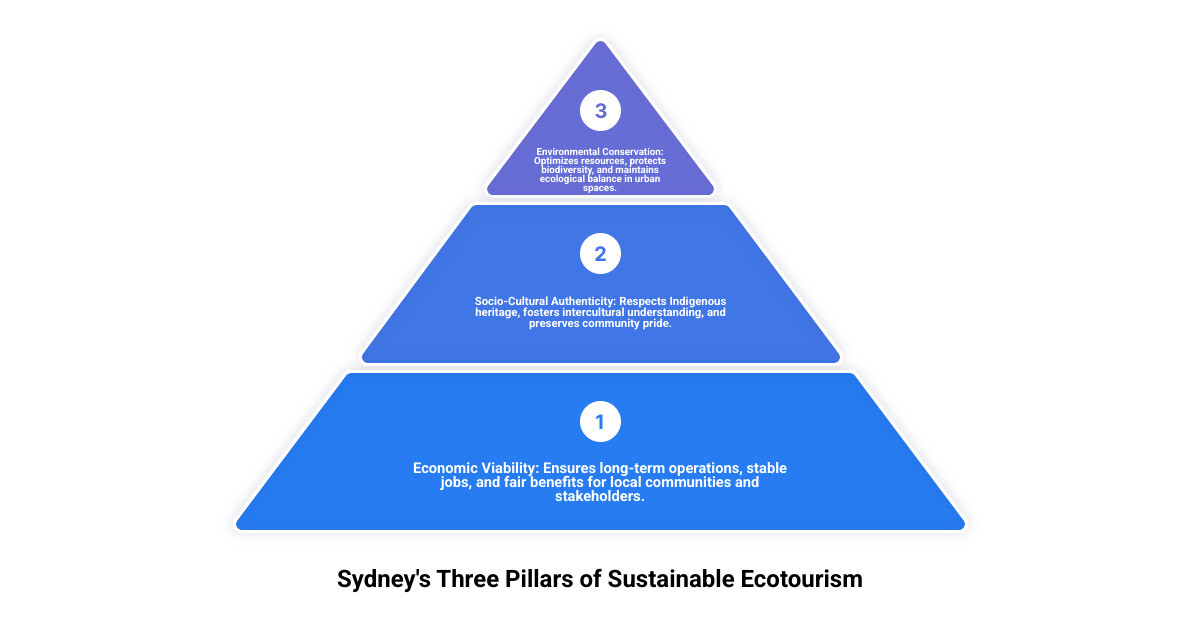
Sustainable tourism, as defined by UN Tourism, is a holistic approach that balances economic, social, and environmental considerations. In Sydney, these three core pillars are not just theoretical concepts but are actively woven into the fabric of its ecotourism practices, demonstrating a commitment to long-term well-being for both visitors and residents.
The environmental pillar focuses on making optimal use of natural resources, maintaining ecological processes, and conserving biodiversity. For Sydney, this means protecting its iconic harbour, coastal areas, and national parks. Initiatives include rigorous waste management, reducing carbon footprints, and preserving critical habitats for unique flora and fauna. Ecotourism operators often lead by example, employing low-impact practices, using renewable energy, and educating visitors on local ecosystems and conservation needs. The city’s dedication to green spaces and marine protection is evident, even within its bustling urban core.

The socio-cultural pillar emphasizes respecting the authenticity of host communities, preserving cultural heritage, and contributing to inter-cultural understanding. Sydney’s rich Indigenous history, particularly that of the Gadigal people of the Eora Nation, is increasingly integrated into ecotourism experiences, offering visitors deep insights into ancient traditions and knowledge. This pillar also involves ensuring that tourism benefits local communities, respects their way of life, and avoids negative social impacts, fostering a sense of pride and ownership in their heritage.
Finally, the economic pillar aims for viable, long-term operations that provide fair socio-economic benefits to all stakeholders, including stable employment and income-generating opportunities for local communities. In Sydney, this translates into supporting local businesses, sourcing local products, and creating economic incentives for sustainable practices. Certified ecotourism businesses often contribute directly to local conservation projects or community development, ensuring that the economic gains from tourism are reinvested into the very assets that attract visitors. This balanced approach ensures that Sydney’s natural and cultural treasures can be enjoyed for generations to come, while also supporting a thriving local economy. The city’s impressive ranking in the Global Destination Sustainability Index, placing 10th out of over 100 cities globally in 2024, underscores its success in integrating these pillars effectively.
Leading Sustainability Initiatives and Certifications in New South Wales
New South Wales (NSW), with Sydney at its heart, is at the forefront of sustainable tourism, driven by dedicated organizations and robust certification programs. These initiatives ensure that businesses not only meet global best practices but also actively contribute to the preservation of the state’s natural and cultural assets.
Ecotourism Australia stands as the nation’s peak body for sustainable and ecotourism. Its mission is to connect, champion, inspire, and inform through strategic partnerships and global best practice standards. Ecotourism Australia’s certification programs provide a clear pathway for operators to demonstrate their commitment to environmental, social, and economic sustainability. These certifications are a badge of honor, assuring travelers that an experience adheres to stringent sustainability criteria. We believe that by choosing certified operators, visitors are directly supporting businesses that are dedicated to minimizing their footprint and maximizing positive impact.
Destination NSW, the state’s leading tourism organization, has partnered with Ecotourism Australia to bolster these efforts. This collaboration provides eligible NSW visitor economy businesses with fully funded access to the Strive 4 Sustainability Scorecard. This pre-certification tool allows businesses to assess their current sustainability performance across various indicators, identify areas for improvement, and embark on a structured pathway towards full certification. It’s a crucial step for many businesses looking to formalize their commitment to sustainable practices and gain recognition for their efforts. For businesses seeking to understand and improve their impact, the Strive 4 Sustainability Scorecard offers actionable steps and guidance.
Beyond individual businesses, Sydney itself is committed to becoming a greener metropolis through the Sustainable Destination Partnership. This collaborative effort, involving leading hotels, event centers, cultural institutions, and tourism bodies, works to improve environmental performance across the city. The partnership has already achieved significant results, reducing its collective emissions by over 28%, demonstrating the power of collective action. This commitment aligns with Sydney’s ambition to be a global leader in sustainable urban development, as reflected in its high standing in international sustainability rankings.
For travelers, resources like the Green Travel Guide are invaluable. This guide, supported by Ecotourism Australia, allows visitors to easily find and choose certified ecotourism and sustainable experiences across Australia, including many in Sydney and NSW. It simplifies the process of planning a responsible trip, ensuring that every booking contributes to a more sustainable future.
Certifications like NABERS for Hotels, EarthCheck Certification, and Green Star Performance also play a vital role in guiding businesses towards environmental excellence. These recognized ratings help businesses understand their environmental impact, identify opportunities for efficiency, and improve performance in areas such as energy, water, and waste management. Our commitment to sustainable practices is often recognized through such rigorous assessments, highlighting the benefits certified sustainable accommodations and tours provide to businesses, communities, and the environment. We encourage all tourism businesses to explore these certifications and showcase their dedication to a sustainable future. Our own journey towards sustainability is something we proudly share through our Awards and Accreditations.
Immersive Water-Based Adventures and Sydney sustainable ecotourism
Sydney’s iconic waterways, from its sprawling harbour to its pristine coastal reserves, offer a unique canvas for sustainable ecotourism. These water-based adventures not only provide breathtaking experiences but also actively contribute to marine conservation, waste reduction, and a deeper understanding of the aquatic environment. Many operators in this space hold Advanced Ecotourism certification, ensuring their practices meet the highest standards of environmental responsibility.
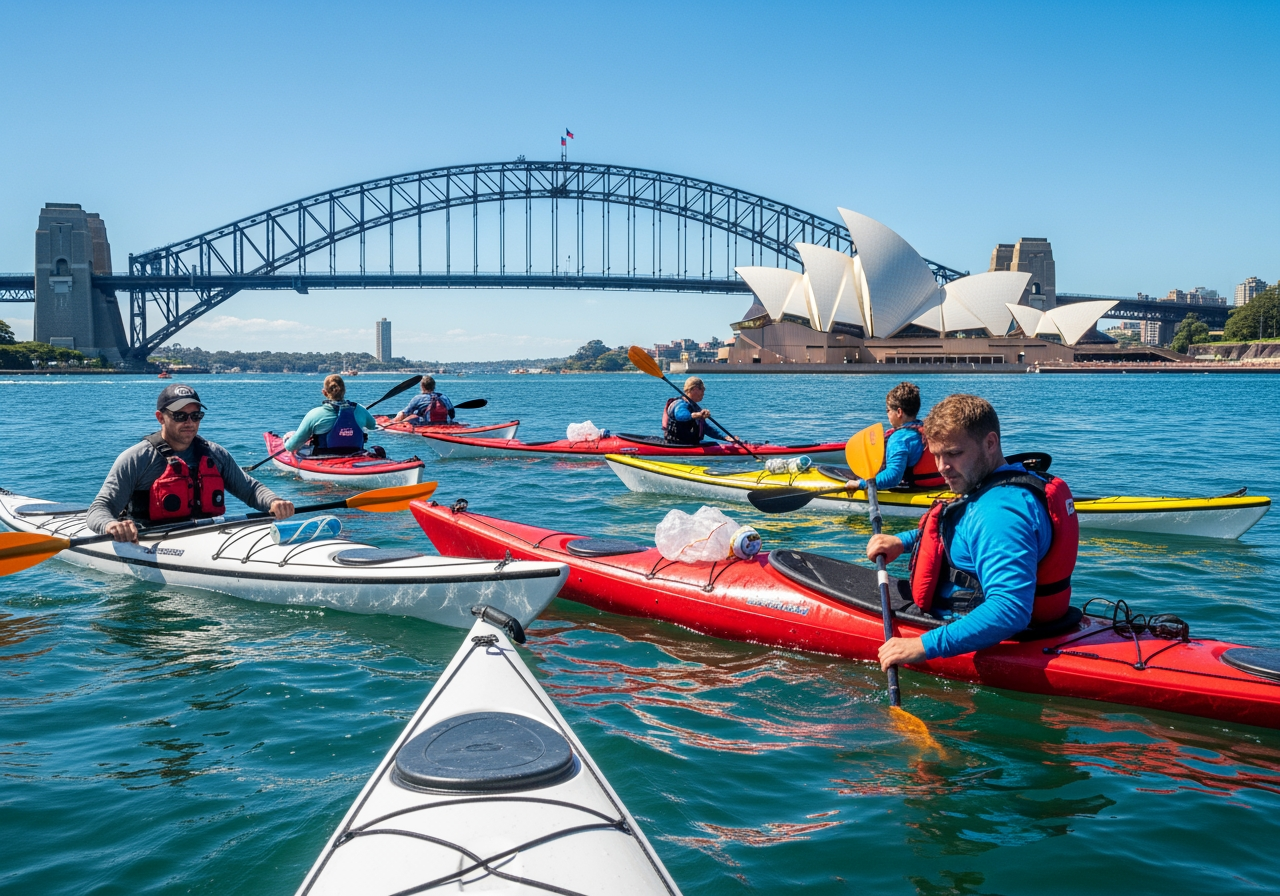
One of the most intimate ways to experience Sydney’s aquatic treasures is through kayaking. Companies like Ecotreasures offer guided snorkeling tours in areas like Cabbage Tree Bay Aquatic Reserve in Manly, where visitors can swim among over 200 species of fish, including the vibrant blue groper and elusive weedy sea dragons. These tours are designed to be low-impact, educating participants on marine biodiversity and the importance of protecting these fragile ecosystems.
Boat cruises also play a significant role in Sydney sustainable ecotourism. Sydney Harbour Boat Tours, for instance, was the first boat tour operator in Sydney to achieve Ecotourism certification. They actively involve guests in conservation by encouraging them to collect debris from the harbour during tours, removing hundreds of kilos of rubbish each year. This hands-on approach highlights the pervasive issue of plastic pollution and empowers visitors to be part of the solution, often in partnership with organizations like Take3fortheSea. Their dedication extends to protecting critical habitats, such as those of the Little Penguin, through careful route planning and environmental management.
Beyond the immediate harbour, sustainable practices extend to regions like the Hawkesbury River, where oyster farming is highlighted as one of the most sustainable forms of aquaculture. Operators here offer insights into their low-impact farming methods, allowing visitors to taste freshly shucked oysters while learning about the delicate balance of the river’s ecosystem. These experiences underscore how economic activities can be harmonized with environmental stewardship.
Many eco-tour operators actively educate participants on local ecosystems, climate change impacts, and low-impact behaviors. Through guided paddles and tours, guests learn about the importance of seagrass protection, the threats posed by plastic pollution, and the intricate web of marine life that calls Sydney Harbour home. Our own commitment to educating and inspiring visitors is central to our mission, we believe that by fostering a deeper connection to nature, we can inspire lasting behavioral change.
Marine Habitat Protection and Sydney sustainable ecotourism
Sydney’s commitment to marine habitat protection is exemplified by its network of aquatic reserves and the proactive measures taken by ecotourism operators. Cabbage Tree Bay, an aquatic reserve adjacent to Manly’s bustling beach, is a prime example. Here, guided snorkeling tours allow visitors to respectfully explore a vibrant underwater world teeming with life. Operators ensure minimal disturbance to marine species, educating participants on marine etiquette and the unique characteristics of species like the blue groper, weedy sea dragons, and even occasional grey nurse sharks.
Further north, the Hawkesbury River showcases sustainable aquaculture through oyster farming. This practice is recognized for its minimal environmental impact, providing insights into a food production system that works in harmony with its aquatic environment. These tours often include discussions on water quality monitoring and the importance of preserving the river’s health for both economic and ecological reasons. By choosing these experiences, visitors directly support the ongoing conservation of these vital marine habitats.
Harbour Conservation and Sydney sustainable ecotourism
Sydney Harbour, a jewel of the city, faces continuous environmental challenges, particularly from waste and pollution. Ecotourism operators are playing a crucial role in its conservation through active debris removal programs. Companies often integrate “clean-up paddles” or “take three for the sea” initiatives into their tours, encouraging guests to collect rubbish from the water and foreshore. This collective effort results in hundreds of kilos of debris being removed annually, protecting marine life from harmful plastics and other pollutants.
Beyond direct clean-ups, operators contribute to broader urban waterway restoration efforts. This includes supporting projects like the installation of living seawalls and the establishment of mangrove nurseries, which enhance biodiversity and improve water quality. Many operators implement rigorous waste management protocols, including aiming for zero single-use plastics on their tours and ensuring proper recycling and disposal of all waste generated. The use of human-powered transport, such as kayaks, further minimizes their environmental footprint, contributing to cleaner air and quieter waterways. These combined efforts are vital for maintaining the ecological health and aesthetic beauty of Sydney Harbour for future generations.
Terrestrial Conservation and Indigenous Cultural Immersion
Beyond its famous harbour, Sydney and its surrounding regions offer a wealth of terrestrial ecotourism experiences that combine stunning natural landscapes with profound cultural immersion. These tours often focus on national park stewardship, wildlife conservation, and the rich heritage of Australia’s Indigenous peoples.
The Blue Mountains World Heritage area, a short drive from Sydney, is a prime example. Here, operators like Tread Lightly Eco Tours lead small-group bushwalks, emphasizing minimal impact and deep appreciation for the ancient landscape. They often hold Advanced Ecotourism certification, ensuring their guides are experts in the local environment and its conservation. These tours educate participants on the unique flora and fauna, the geological formations, and the challenges posed by climate change, fostering a sense of responsibility for its preservation. FeelGood! Nature Tours also offers intimate small-group adventures in the Blue Mountains, focusing on wildlife and stunning landscapes, with a strong commitment to local conservation.
Indigenous cultural immersion is a cornerstone of sustainable ecotourism in NSW. Experiences like those offered by Ngaran Ngaran Culture Awareness provide unique insights into the ancient traditions, stories, and connection to country of the Yuin people. These tours, often involving bush tucker education and traditional ceremonies, offer a respectful and authentic way to engage with Indigenous heritage, promoting inter-cultural understanding and supporting Indigenous communities.
Wildlife observation is another key aspect, with operators employing ethical and low-impact methods. For instance, some tours use night-vision technology to observe nocturnal animals without disturbing their natural behavior, a truly unique experience that highlights the importance of protecting these creatures in their natural habitats. In areas like Iris Lodge Alpacas, habitat restoration is a core activity, with over 13,000 native trees and grasses planted to reverse creek erosion and create new wildlife corridors. This demonstrates how agricultural tourism can actively contribute to environmental rehabilitation.
Within Sydney itself, Eco Walks Tours offers guided walking tours through Sydney Harbour National Park. These tours explore bush trails close to the CBD, showcasing native plants and animals, as well as the area’s rich historical and social heritage. Guides provide informative commentary on everything from local birdlife, like Sea Eagles and New Holland Honey Eaters, to the military history of sites like Q Station. These experiences highlight the incredible biodiversity and cultural significance nestled within an urban environment.
National Park Stewardship and Sydney sustainable ecotourism
Visiting national parks requires a commitment to stewardship, and ecotourism operators in Sydney and NSW are exemplary in promoting responsible practices. Many are accredited NSW Parks Eco Pass operators, signifying their adherence to strict environmental guidelines. A fundamental principle upheld by these tours is Leave No Trace, which guides visitors on how to minimize their impact on the natural environment. This includes staying on marked trails, properly disposing of waste, respecting wildlife, and leaving natural features undisturbed.
Guides on these tours play a crucial educational role. They provide detailed commentary on native flora identification, explaining the ecological significance of various plant species and their role in the ecosystem. They also address issues like invasive species management, highlighting ongoing efforts to protect native biodiversity. Furthermore, these tours often incorporate discussions on climate change, its local impacts, and practical steps individuals can take to mitigate its effects. By participating in such tours, visitors gain a deeper appreciation for the delicate balance of these natural environments and learn practical low-impact behaviors that can be applied to all their outdoor adventures. This educational component is vital for fostering a generation of environmentally conscious travelers.
Practical Strategies for the Responsible Traveler in Sydney
As visitors, we have a significant role to play in ensuring that our travels contribute positively to Sydney’s sustainable ecotourism goals. By adopting a few practical strategies, we can minimize our environmental impact, support local communities, and truly immerse ourselves in the city’s green initiatives.
One of the most impactful choices you can make is to select sustainable accommodation. Look for hotels or guesthouses that have environmental certifications like NABERS for Hotels, EarthCheck, or Green Star Performance. These establishments are committed to reducing their energy and water consumption, managing waste responsibly, and often source local and ethical products. Choosing them ensures your stay aligns with the city’s broader sustainability efforts.
Supporting local businesses is another key strategy. Opt for locally owned restaurants, shops, and tour operators. This ensures that your tourism dollars directly benefit the community and helps maintain the unique character of Sydney. Many ecotourism operators, for example, prioritize local sourcing for their supplies, further strengthening the local economy.
Utilizing public transport is an excellent way to reduce your carbon footprint. Sydney boasts an extensive network of trains, buses, ferries, and light rail, making it easy to navigate the city without a car. Consider purchasing an Opal card for seamless travel. For longer distances, explore carbon offsetting options for your flights or other transportation.
When engaging with wildlife, always follow wildlife interaction guidelines. Maintain respectful distances, never feed wild animals, and avoid disturbing their natural habitats. Many ecotours will provide specific instructions to ensure responsible encounters.
Waste reduction tips are essential for any responsible traveler. Carry a reusable water bottle and coffee cup, refuse single-use plastics whenever possible, and dispose of your waste properly, making use of recycling facilities. Participate in initiatives like “Take 3 for the Sea” by picking up three pieces of rubbish if you see them on beaches or waterways.
Finally, planning your trip with resources like the Green Travel Guide can make a significant difference. This guide helps you identify certified eco-tours and sustainable businesses, making it easier to build an itinerary that aligns with your values. By consciously choosing sustainable options, you become an integral part of Sydney’s commitment to preserving its natural beauty and cultural heritage for future generations.
Frequently Asked Questions about Sydney Ecotourism
We often encounter questions from travelers eager to understand how they can contribute to and benefit from Sydney’s growing sustainable ecotourism sector. Here are some of the most common inquiries:
What is the Strive 4 Sustainability Scorecard?
The Strive 4 Sustainability Scorecard is a pre-certification tool developed by Ecotourism Australia in partnership with Destination NSW. It’s designed to help eligible tourism businesses in New South Wales assess their current sustainability performance. The scorecard evaluates various aspects of a business’s operations, including environmental management, social responsibility, and economic viability. By completing the scorecard, businesses can identify strengths, pinpoint areas for improvement, and embark on a structured pathway towards formal ecotourism certification. It’s a foundational step for businesses committed to operating more sustainably and gaining recognition for their efforts.
How does Sydney rank in global sustainability indices?
Sydney has consistently demonstrated its commitment to sustainability on a global scale. In the 2024 Global Destination Sustainability Index, Sydney was ranked an impressive 10th out of more than 100 cities worldwide. This achievement solidifies its position as the top destination in Australia for sustainability and the second-rated metropolis globally, just behind Singapore. This high ranking reflects the city’s comprehensive efforts across environmental performance, social progress, and economic sustainability within its tourism sector and broader urban planning.
What are the benefits of choosing certified eco-tours?
Choosing certified eco-tours provides numerous benefits for both travelers and the destinations they visit. For travelers, it offers assurance that their chosen experience adheres to rigorous environmental and social standards, minimizing negative impacts and maximizing positive contributions. These tours often provide deeper, more authentic engagements with nature and local culture, led by knowledgeable guides who educate participants on local ecosystems, conservation, and cultural respect.
For businesses and communities, certification drives continuous improvement in sustainable practices, enhances reputation, and often leads to economic benefits through increased demand from eco-conscious travelers. It also ensures that a portion of tourism revenue is often reinvested into conservation projects or community development, directly benefiting the environment and local people. Certified eco-tours contribute to the long-term health of our planet and the well-being of host communities. We believe that supporting certified operators is a direct way to vote for a more sustainable future for travel.
Conclusion
Sydney’s journey towards becoming a beacon of sustainable ecotourism is a testament to the collective efforts of its government, businesses, and communities. From the comprehensive definitions set by UN Tourism to the practical implementation of the three core pillars—environmental stewardship, socio-cultural authenticity, and economic viability—the city is actively shaping a future where tourism thrives in harmony with its natural and cultural assets.
Organizations like Ecotourism Australia and Destination NSW are leading the charge, providing crucial frameworks and support for businesses to adopt sustainable practices, as exemplified by the Strive 4 Sustainability Scorecard. The city’s impressive global sustainability rankings further underscore its dedication and progress.
We have explored the diverse range of eco-tours available, from water-based adventures in Sydney Harbour and the Great Southern Reef that actively contribute to marine conservation and waste reduction, to terrestrial explorations in national parks and Indigenous cultural immersions that foster respect for ancient traditions and habitat restoration. Operators like Sydney Harbour Boat Tours, Ecotreasures, and those in the Blue Mountains are demonstrating how innovative practices can make a tangible difference.
The future of urban ecotourism in Sydney rests on a foundation of collective responsibility. By understanding the principles of sustainable tourism, choosing certified operators, and adopting practical tips for responsible travel, visitors can become active participants in preserving this magnificent destination. Our commitment to environmental health, community resilience, and visitor education is unwavering. As we look ahead, we are confident that Sydney will continue to inspire and lead, proving that a bustling metropolis can indeed be a greener, more sustainable, and deeply enriching destination for all.


