
Simple Financial Tips for Building Everyday Stability
Table of Contents
- Why Budget Basics Still Matter
- Building an Effective Emergency Fund
- Finding Smart Ways to Cut Monthly Expenses
- Borrowing Responsibly: What to Know
- Using Digital Tools for Financial Wellness
- Why Basic Financial Education Matters
- Practical Steps You Can Take Today
Why Budget Basics Still Matter
Budgeting remains a cornerstone of everyday financial stability, giving individuals the power to manage their money proactively rather than reactively. With a well-structured budget, you gain a clear understanding of your income’s inflow and outflow. This clarity helps prevent mid-month surprises and lays a foundation for wiser everyday decisions.
Learning how to budget doesn’t have to be complicated. People can separate needs from wants by using simple tools—like pen and paper, a spreadsheet, or even budgeting apps—and make confident choices about spending. Exploring feedback, such as Maxlend Reviews, can also provide insights into how others manage financial products within their budgets, offering practical lessons for everyday money management.
Building an Effective Emergency Fund
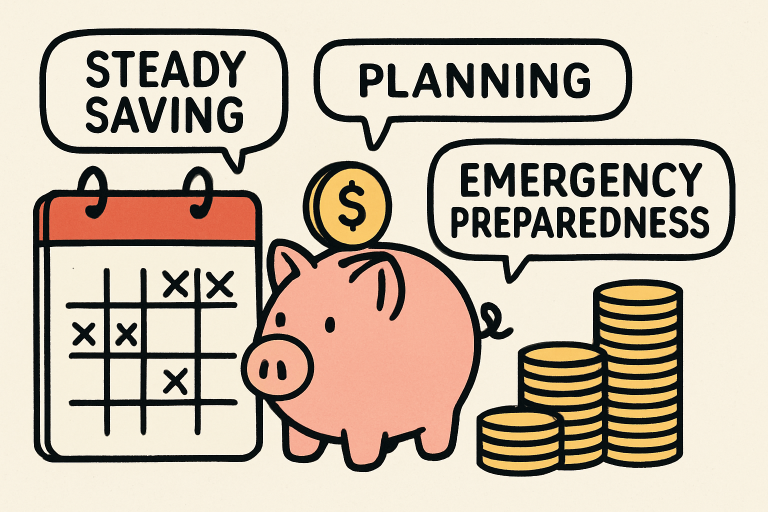
The importance of an emergency fund can’t be overstated. Even small, unpredictable expenses—a flat tire, a sudden doctor visit, or a missed shift at work—can ripple effect on your finances. Financial experts recommend setting aside three to six months of basic expenses in a separate savings account, allowing quick access when emergencies arise.
Automate savings by arranging transfers to your emergency fund right after payday. According to NerdWallet’s emergency fund guide, even small but consistent contributions build up over time, creating a safety net to help you avoid high-interest debt and financial hardship during unexpected downturns. For added flexibility in urgent situations, options like apply online, maxlend loan can serve as a short-term backup when savings fall short.
Finding Smart Ways to Cut Monthly Expenses
Trimming monthly expenses doesn’t have to mean sacrificing quality of life. Small changes, like meal planning or preparing more food at home, are proven ways to save on groceries. Comparing providers for internet or phone plans, negotiating with service companies, or switching to generic brands can reduce costs with minimal effort.
Recurring subscriptions—streaming services, gym memberships, or digital news outlets—quietly eat into budgets. Many people benefit from conducting a monthly audit of their subscriptions and canceling those no longer used. Additionally, consider periodic “no-spend” challenges to bring awareness to unnecessary purchases and refocus spending toward your true priorities.
Borrowing Responsibly: What to Know
Credit and loans can provide a helpful bridge in emergencies or for large purchases, but they must be managed carefully. Before borrowing, always review the full terms—interest rate, repayment schedule, fees, and overall cost—so there are no surprises. Comparing multiple offers helps identify fair rates and transparent lenders.
Responsible borrowing looks at loans as a tool to improve future outcomes rather than a method for everyday spending. Planning repayments ahead of time and keeping debt manageable ensures that borrowing supports your goals, not hinders them.
Using Digital Tools for Financial Wellness
Today’s digital age puts a range of financial management tools within reach. Mobile apps sync with bank accounts for on-the-go budgeting, bill reminders help you avoid late fees, and automated savings or investment apps make it easier to stick with your goals. These tools are increasingly essential for people looking for convenience, oversight, and instant feedback on their finances.
For a deeper dive into the best options, CNBC highlights several trusted budgeting apps that suit different needs, from simple transaction tracking to robust financial planning. Embracing these tools can help create lasting habits and improve your overall financial well-being.
Why Basic Financial Education Matters
A solid foundation in financial literacy equips you to make informed choices—whether it’s understanding the implications of new credit, recognizing how compound interest works, or distinguishing between valuable and inefficient types of debt. Community centers, online courses, and public libraries frequently offer free resources that demystify everyday financial concepts.
The earlier and more frequently you engage with financial education, the better your chances of confidently handling future economic shifts. Even small gains in knowledge can lead to significant improvements in savings, debt reduction, and investing.
Practical Steps You Can Take Today
- Track every dollar you spend for one week to uncover spending habits you may not know.
- Automate your savings—even starting with $10 or $20 per pay period can make a difference.
- Request your free annual credit report and review it for errors or unauthorized accounts.
- List out all subscriptions and recurring memberships, then keep only what you truly use.
- Choose three small, realistic financial goals for the next year and write your action plan.
Building stability is about forming consistent habits, not making dramatic changes overnight. By paying attention to budgets, prioritizing savings, borrowing with caution, seeking out education, and using digital technology, you create a resilient financial foundation for you and your family—one step at a time.
Final Thoughts
Financial wellness doesn’t come from a single decision—it’s the product of steady habits, smart planning, and flexible solutions. Creating a budget, building an emergency fund, cutting unnecessary expenses, and borrowing responsibly set the stage for lasting stability. Digital tools and financial education further strengthen your ability to adapt and make confident money choices. With consistent effort and practical strategies, anyone can take meaningful steps toward greater security and peace of mind.


