
Supporting Prenatal Health and Wellness
Reading through the actual numbers behind prenatal health and wellness, up to 60% of people struggling to convert synthetic folic acid, nearly 40% of pregnant women globally dealing with iron deficiency, made me wish I had known some of this the first time around instead of piecing it together after the fact. The postpartum section resonated most, especially the statistic on perinatal depression and anxiety affecting both parents, since that side of things gets talked about far less than it should.
The Essential Pillars of Prenatal Health and Wellness

Building a healthy future for your child begins with a strong foundation: comprehensive prenatal health and wellness. This vital journey is more than just routine checkups; it’s a holistic approach that nurtures both mother and baby from preconception through birth and beyond. We understand that this transformative period brings unique questions and opportunities for proactive care.
In this extensive guide, we will explore the essential pillars of prenatal health. We’ll delve into the importance of clinical care, tailored nutrition, and supportive lifestyle choices. We will also address managing the significant physical and emotional changes that occur throughout pregnancy. For instance, many expectant mothers find immense relief and support through various avenues, including specialized prenatal and pediatric chiropractic care.
Our goal is to empower you with evidence-based knowledge and practical resources. We want to help you navigate your pregnancy journey with confidence, ensuring the best possible start for your little one and a healthy transition into parenthood.
Prenatal care is the medical support you receive throughout your pregnancy, designed to ensure the health of both you and your developing baby. It’s a cornerstone of preventative medicine, focusing on early detection and management of potential complications. This family-centered approach to wellness extends beyond physical health, encompassing emotional well-being and readiness for parenthood.
Clinical Care and Screenings: The Starting Point for Prenatal Health and Wellness
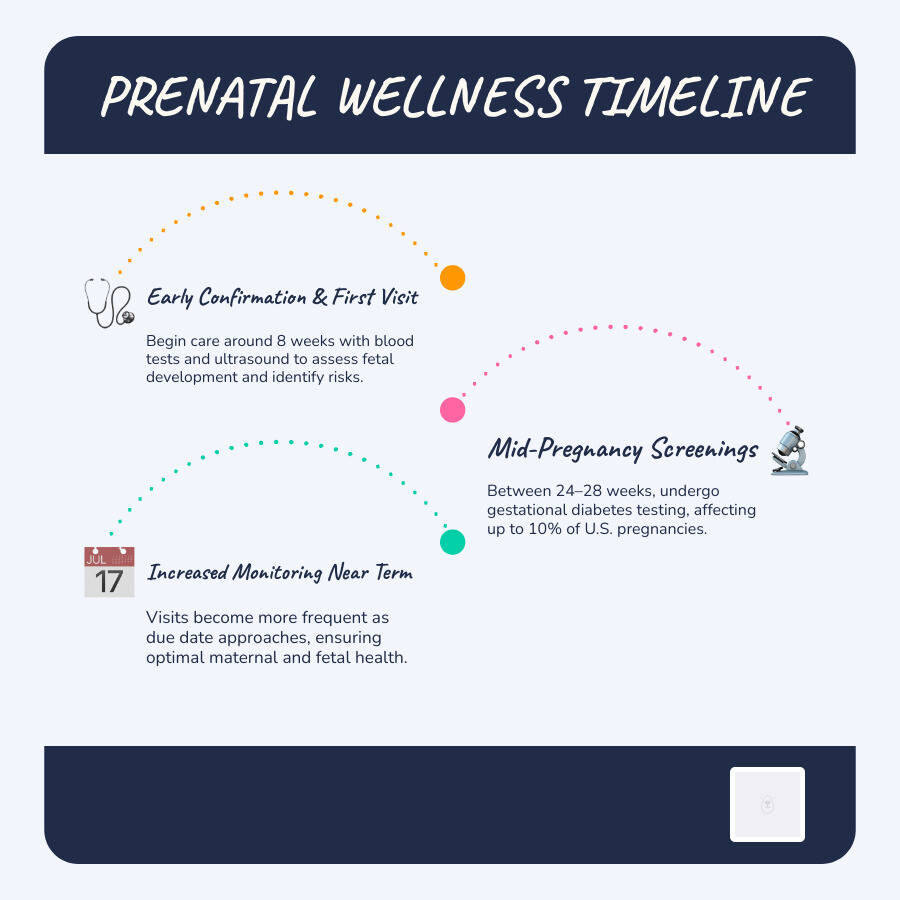
The journey of prenatal care typically begins as soon as you suspect or confirm pregnancy, ideally with an initial visit around the 8th week. These early appointments are crucial, setting the stage for a series of routine checkups that monitor your health and your baby’s development. For most standard pregnancies, these visits occur every four weeks, increasing in frequency as you approach your due date.
During these appointments, healthcare providers focus on a range of diagnostic testing and screening services. First-trimester screenings often include blood tests and ultrasounds to assess fetal development and identify any potential risks. As your pregnancy progresses, typically between 24 and 28 weeks, you’ll undergo testing for gestational diabetes, a temporary form of diabetes that affects up to 10% of U.S. pregnancies and requires careful management.
For those with higher-risk pregnancies, or when specific concerns arise, more specialized care may be recommended. This can involve advanced diagnostic tools such as amniocentesis, which analyzes amniotic fluid for genetic conditions, or biophysical profiles, which use ultrasound to assess fetal well-being. Maternal-fetal specialists, who have undergone advanced training to manage complex pregnancies, along with genetic counselors, play a crucial role in these scenarios. Some wellness centers even offer specialty clinics, such as those dedicated to managing diabetes during pregnancy or providing tailored care for mothers carrying twins.
Early and consistent prenatal care is a powerful tool in preventing complications like preterm birth. In 2019, for example, 1 in 10 babies (10.0% of live births) was born preterm in Fresno County, with significant racial disparities observed. Through regular monitoring and early intervention, healthcare providers can identify risk factors and implement strategies to improve outcomes. We encourage you to seek comprehensive, evidence-based pregnancy guidance to understand all aspects of your clinical care and make informed decisions throughout your pregnancy.
Nutritional Foundations and Lifestyle Choices for Expectant Mothers
What you consume and how you live your life profoundly impact your pregnancy. Optimal prenatal nutrition is about fueling your body and your baby’s growth, not simply “eating for two.” While no extra calories are needed in the first trimester, caloric needs increase by about 340 in the second trimester and 450 in the third.
Key nutrients are paramount. Folic acid (or its more bioavailable form, methylated folate) is vital to prevent neural tube defects, with a recommended intake of 600 to 1,000 mcg daily during pregnancy. Nearly 40% of pregnant women globally experience iron deficiency anemia, necessitating 27 mg of iron daily to support increased blood volume and fetal development. Pairing iron-rich foods with vitamin C can boost absorption, while calcium can hinder it. Choline, crucial for fetal brain and spinal cord development, is often undersupplied, with less than 10% of pregnant women meeting the recommended 450 mg daily. Vitamin D and Omega-3s are also essential for maternal and fetal health, with Omega-3s linked to reduced risk of postpartum depression.
Some individuals, up to 60% of the population, struggle to convert synthetic folic acid to methylated folate due to MTHFR genetic variations. In such cases, choosing a prenatal vitamin with L-5-Methyltetrahydrofolate can be beneficial. Similarly, iron needs vary, and excessive iron can cause digestive issues. Some specialized prenatal formulas exclude iron, recommending separate supplementation based on individual needs.
Lifestyle choices are equally critical. Regular, moderate-intensity physical activity (at least 150 minutes per week) can help manage weight gain and reduce common discomforts. Staying hydrated is key. Avoiding toxins is non-negotiable: this includes alcohol, tobacco, recreational drugs, and certain foods like raw meats, unpasteurized dairy, and high-mercury fish. Even personal care products can contain harmful chemicals, making “fragrance-free” options a safer choice. For those managing low-risk pregnancies, these guidelines form a robust framework for health.
Managing the Physical and Emotional Evolution of Pregnancy

Pregnancy is a period of profound transformation, affecting nearly every system in your body. Hormonal shifts, particularly the surge in estrogen, progesterone, and cortisol, lead to a cascade of physical and emotional changes. Common physical experiences include morning sickness (which can occur at any time of day), profound fatigue, and increased blood volume (up to 50% more), which can cause normal swelling in the extremities. Many women also experience muscle cramps, heartburn, and insomnia. Sciatic nerve pain and general back pain are also frequent complaints as the uterus expands and posture shifts.
Emotionally, pregnancy can bring a mix of excitement, anxiety, and doubt. Mood swings are common, and it’s important to acknowledge that depression and anxiety can occur during pregnancy. In fact, 1 in 5 mothers and 1 in 10 fathers experience perinatal depression or anxiety. Managing these changes involves strategies like prioritizing sleep (often recommended on the left side after 28 weeks to support blood flow), gentle exercise, stress regulation techniques, and seeking support.
Weight gain is a natural and necessary part of pregnancy, but the amount varies based on your pre-pregnancy Body Mass Index (BMI). Gaining a healthy amount of weight is important for both maternal and fetal outcomes.
For example, a woman with a healthy pre-pregnancy BMI (18.5 to 24.9) should aim to gain 25 to 35 pounds. Underweight women (BMI < 18.5) may need to gain 28 to 40 pounds, while overweight (BMI 25-29.9) and obese (BMI 30+) women are advised to gain 15 to 25 pounds and 11 to 20 pounds respectively. Tracking your weight gain slowly and regularly with your healthcare provider ensures you stay within a healthy range.
Integrating Holistic Practices into Your Prenatal Health and Wellness Routine
While clinical care provides essential medical monitoring, integrating holistic practices can significantly enhance your comfort and well-being during pregnancy. Holistic wellness acknowledges the interconnectedness of your physical, emotional, and spiritual health. Many expectant mothers seek drug-free pain management options for common pregnancy discomforts like lower back pain, round ligament pain, and pelvic girdle pain.
This is where practices focused on musculoskeletal comfort, such as prenatal yoga, physical therapy, and chiropractic care, become invaluable. Gentle, tailored chiropractic techniques can help optimize pelvic alignment, which is crucial as your body changes to accommodate your growing baby. Pelvic alignment can impact comfort, nervous system health, and even potentially support optimal fetal positioning for birth. The Webster Technique, for instance, is a specific chiropractic analysis and adjustment that aims to reduce sacral subluxation and improve neuro-biomechanical function in the pelvis.
By ensuring proper spinal alignment and nervous system health, chiropractic care can help your body adapt more smoothly to the physical demands of pregnancy, potentially reducing pain and discomfort. It’s a proactive approach to maintaining balance and function, supporting your body’s innate ability to grow and birth. To learn more about how this specialized care can benefit you, we recommend exploring resources on prenatal and pediatric chiropractic care.
Supporting Infant Development and Early Milestones

The focus on wellness doesn’t end at birth; it seamlessly transitions into supporting infant development and early milestones. Just as prenatal care lays the groundwork, pediatric wellness ensures a healthy start for your child after they arrive. The first few years of life are critical for growth and development, and maintaining optimal physical health can support your baby’s journey through milestones like crawling and walking.
Ensuring proper spinal alignment and nervous system support in infants and toddlers is just as important as it is for adults. Gentle pediatric adjustments can help address any misalignments that may occur during birth or from everyday tumbles as they explore their world. This focus on musculoskeletal health can contribute to overall nervous system function, which is fundamental to a child’s development. By supporting their physical well-being from infancy, we aim to foster healthy growth and allow them to reach their full potential.
Preparing for Birth and the Postpartum Transition
As your due date approaches, preparing for birth and the subsequent postpartum transition becomes a central focus. This period, often referred to as the “fourth trimester,” is a unique and critical phase of maternal recovery and adjustment. It’s a time when both parents are navigating new roles, sleep deprivation, and significant physical and emotional healing. Planning ahead for labor, delivery, and the postpartum period can significantly ease this transition, fostering a smoother experience for the entire family.
Community support and resources play a vital role during this time. Whether it’s through educational classes, support groups, or practical assistance from friends and family, having a network can make a profound difference.
Creating a Mindful Birth Plan and Labor Preparation
A birth plan is a valuable tool for communicating your preferences for labor, delivery, and immediate postpartum care to your healthcare team. While birth is inherently unpredictable, having a plan can empower you to advocate for your choices, from pain management options (natural methods, epidural) to desired environment and support persons.
Childbirth education classes are an excellent way to prepare, offering insights into the stages of labor, coping techniques, and what to expect. Many facilities offer hospital tours, allowing you to familiarize yourself with the environment. Doulas, trained professionals with extensive knowledge in birthing, can provide continuous physical and emotional support, helping you access trusted information and understand your options. Involving your partner in this planning process is key, ensuring they understand your wishes and can support you effectively during labor.
Nurturing Postpartum Recovery and Mental Well-being
Postpartum recovery encompasses both physical healing and mental adjustment. The first six to eight weeks after delivery are medically considered the postpartum recovery period, but emotional recovery can take much longer. It’s a time when mothers are particularly vulnerable to perinatal depression and anxiety. About 1 in 8 women experience depression after having a baby, and 1 in 5 mothers and 1 in 10 dads experience perinatal depression or anxiety.
Mental health screening is an essential component of postpartum care. It’s crucial to distinguish between the “baby blues” (common, transient mood swings) and clinical postpartum depression or anxiety, which are more severe and persistent and require professional help. Iron replenishment is also vital, as low stored iron levels (ferritin) after birth are closely linked with postpartum depression.
Breastfeeding support, if you choose to breastfeed, is another critical aspect, with many resources available to help you establish and maintain lactation. Programs like “Healthy First Steps” or “Wellhop for Mom & Baby” offer incentives for attending appointments and provide online group support for expectant and new mothers, fostering community and reducing isolation. Addressing social determinants of health, such as food insecurity and access to behavioral healthcare, is also paramount to comprehensive postpartum wellness. Seeking support is a sign of strength, and numerous resources exist to help you navigate this transformative phase with resilience and well-being.


