
Comprehensive Approaches to Pet Health and Care
The Holistic Benefits of Pet Ownership

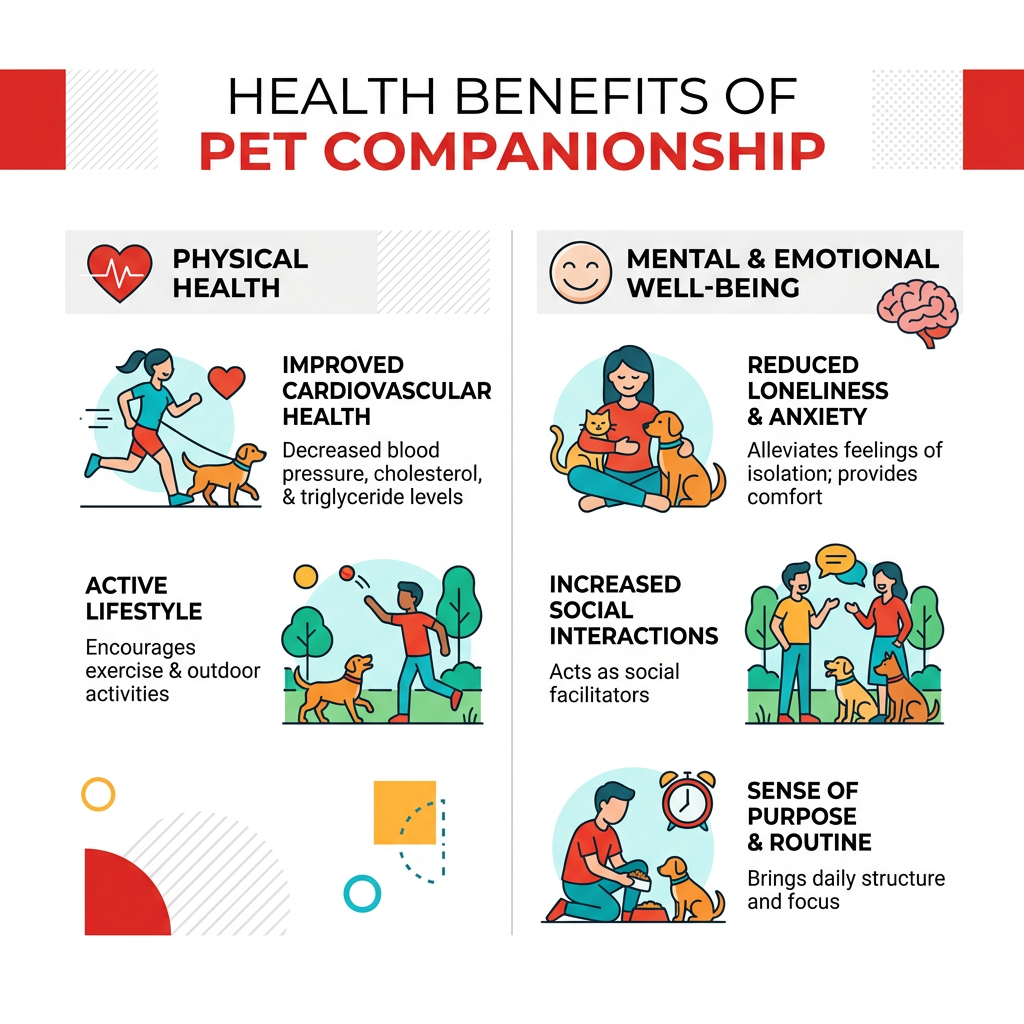
The bond we share with our pets is profound, offering a wealth of benefits that extend far beyond simple companionship. Research consistently highlights the positive impact pets have on human health and well-being. For instance, interacting with pets can lead to a decrease in blood pressure, cholesterol levels, and triglyceride levels, contributing to improved cardiovascular health. Beyond these physiological advantages, pets significantly enhance our opportunities for exercise and outdoor activities, encouraging a more active lifestyle. They also act as social facilitators, increasing interactions with other people and fostering a sense of community. This unique relationship can alleviate feelings of loneliness, reduce anxiety, and even mitigate symptoms of post-traumatic stress disorder (PTSD). The presence of a pet often brings a sense of purpose and routine, which are invaluable for mental and emotional stability.
However, it’s crucial to acknowledge that while pets offer numerous health benefits, they can also transmit zoonotic diseases—illnesses that can spread between animals and humans. These diseases can be carried by seemingly healthy pets, making awareness and preventive measures paramount. Certain groups are at a higher risk of contracting these diseases, including children younger than five, individuals with weakened immune systems, and people aged 65 and older. Pregnant women are also considered a higher-risk group due to potential impacts on fetal development. Understanding these risks is not meant to diminish the joy of pet ownership but to empower owners with the knowledge to protect themselves and their families. Implementing proper hygiene practices and staying informed about potential zoonotic threats are key to enjoying the benefits of pet companionship safely.
Essential Components of Preventive Pet Healthcare
Just as preventive care is vital for human health, it forms the cornerstone of a pet’s long and healthy life. The adage “an ounce of prevention is worth a pound of cure” holds particularly true in veterinary medicine, where the cost of preventing a disease is often a mere fraction of treating it once it has advanced. Comprehensive preventive pet healthcare involves a multi-faceted approach, tailored to each pet’s individual needs, lifestyle, and risk factors.
Regular veterinary checkups are arguably the most critical component. These annual or semi-annual visits allow veterinarians to evaluate a pet’s overall health, detect potential problems early, and provide personalized recommendations. During these exams, veterinarians can conduct thorough physical assessments, discuss nutrition, evaluate dental health, and update vaccination schedules. Early diagnosis through these routine visits significantly increases the likelihood of successful treatment outcomes. For instance, catching a developing health issue before it becomes severe can save pets from unnecessary suffering and owners from extensive medical bills. This proactive approach to Preventative pet health is championed by many veterinary organizations and is crucial for maintaining a pet’s vitality.
Core vs. Noncore Vaccinations
Vaccinations are a fundamental aspect of preventive care, protecting pets from a range of infectious diseases. These are broadly categorized into core and noncore vaccines, with specific guidelines for dogs and cats.
For dogs, core vaccines are those recommended for all canines, regardless of lifestyle or geographic location, due to the severity or prevalence of the diseases. These typically include:
- Rabies: A fatal neurological disease, mandatory by law in most regions.
- Canine Distemper (CDV): A severe, often fatal, multi-systemic viral disease.
- Canine Parvovirus (CPV): A highly contagious and potentially deadly gastrointestinal virus.
- Canine Adenovirus (CAV-2): Protects against infectious hepatitis and respiratory disease.
Noncore vaccines are recommended based on a pet’s exposure risk, determined by factors like geographic location, lifestyle (e.g., boarding, dog parks, hunting), and potential contact with wildlife. Examples include:
- Bordetella bronchiseptica: For “kennel cough,” often recommended for social dogs.
- Leptospirosis: A bacterial disease transmitted through contaminated water or wildlife, prevalent in certain environments.
- Borrelia burgdorferi (Lyme disease): For dogs in tick-endemic areas.
- Canine Influenza Virus (CIV): For dogs at high risk of exposure, such as those in crowded environments.
For cats, core vaccines also protect against highly prevalent and severe diseases:
- Feline Panleukopenia (FPV): A highly contagious and often fatal viral disease.
- Feline Herpesvirus-1 (FHV-1) and Feline Calicivirus (FCV): Common causes of feline upper respiratory infections.
- Rabies: Similar to dogs, often legally required.
- Feline Leukemia Virus (FeLV): Recommended for all kittens and adult cats at risk of exposure (e.g., outdoor cats, those living with FeLV-positive cats).
Noncore feline vaccines include:
- Chlamydia felis: For cats in multi-cat environments with a history of infection.
- Bordetella bronchiseptica: For cats at high risk of exposure to infected dogs or other cats.
Vaccination schedules vary but are generally guided by professional veterinary organizations like the American Animal Hospital Association (AAHA) and the American Association of Feline Practitioners (AAFP). Puppies and kittens typically receive a series of initial vaccinations, followed by boosters. For adult pets, a triennial (every three years) protocol is often adopted for many core vaccines to avoid over-vaccination while maintaining immunity. A veterinarian will assess your pet’s individual risk factors to create an appropriate vaccination plan.
Vaccine Type Canine Core Vaccines Feline Core Vaccines Canine Noncore Vaccines Feline Noncore Vaccines Diseases Rabies, Distemper, Parvovirus, Adenovirus-2 Feline Panleukopenia, FHV-1, FCV, Rabies, FeLV Bordetella, Leptospirosis, Lyme, Canine Influenza Chlamydia felis, Bordetella bronchiseptica Recommendation All dogs, regardless of lifestyle All kittens, and adult cats at risk (e.g., outdoor) Based on lifestyle, geographic location, exposure risk Based on lifestyle, geographic location, exposure risk Frequency Initial series as puppies, then boosters (often 3-year) Initial series as kittens, then boosters (often 1- or 3-year) As needed, often annually or semi-annually for high-risk As needed, often annually or semi-annually for high-risk Parasite Prevention Strategies
Parasites pose significant health threats to pets, ranging from discomfort to life-threatening diseases. Effective parasite prevention is a continuous effort that includes both internal and external parasites.
- External Parasites (Fleas and Ticks): Fleas can cause intense itching, skin allergies, and transmit tapeworms. Ticks are notorious vectors for serious diseases like Lyme disease, ehrlichiosis, and anaplasmosis. Monthly preventatives, available as oral medications or topical treatments, are highly effective. Environmental control, such as regular vacuuming and yard treatment, can also help reduce parasite burdens, especially in tropical climates where parasites thrive year-round.
- Internal Parasites (Heartworms, Roundworms, Hookworms, Whipworms, Tapeworms): Heartworm disease, transmitted by mosquitoes, is particularly dangerous and can be fatal if left untreated. Year-round heartworm prevention is crucial, especially in regions with mosquito populations. Regular fecal exams help detect intestinal parasites like roundworms, hookworms, and whipworms, which can cause digestive upset, nutrient deficiencies, and even zoonotic transmission. Tapeworm infection often occurs when pets ingest fleas or rodents carrying tapeworm larvae. Many broad-spectrum monthly preventatives effectively target multiple types of internal parasites. Annual heartworm testing is also recommended to ensure the preventative medication is working and to catch any breakthrough infections early.
Nutrition and Physical Wellness for Longevity
Proper nutrition and adequate physical activity are fundamental to a pet’s health and longevity. Just like humans, pets require a balanced diet tailored to their specific needs, along with regular exercise to maintain a healthy weight and strong musculoskeletal system.
A balanced diet for dogs and cats changes significantly throughout their life stages. Puppies and kittens require formulas rich in protein and calories to support their rapid growth and development. Adult pets need diets that maintain their energy levels and ideal body condition. Senior pets, however, often benefit from diets lower in calories to prevent obesity, with added nutrients for joint health and cognitive function. Obesity is a widespread problem in pets and can lead to serious health issues such as diabetes, joint problems, heart disease, and a shortened lifespan. Portion control, guided by veterinary recommendations and the pet’s activity level, is essential. Hydration is equally critical; fresh, clean water should always be available.
Beyond nutrition, physical activity is non-negotiable. Dogs, depending on their breed, age, and health, need varying amounts of daily exercise, from brisk walks to vigorous play sessions. Cats, while often perceived as less active, also require daily opportunities for play and exploration to stay physically and mentally stimulated. In warm, tropical climates like the Big Island, outdoor activities are abundant, but owners must be mindful of heat and humidity, ensuring pets have access to shade and water. Engaging in activities like supervised play at a dedicated facility can provide both the physical exertion and social interaction pets need. For those seeking such environments, a premier dog daycare Big Island facility can offer excellent opportunities for dogs to exercise and socialize safely under professional supervision. Rewards-based training not only enhances the human-pet bond but also provides mental stimulation and reinforces good behavior during physical activities.

The Role of Nutrition in Pet Health and Care
The quality of a pet’s diet directly impacts their overall health, coat condition, energy levels, and immune system function. High-quality pet foods provide a complete and balanced nutritional profile.
- Balanced Proteins: Essential for muscle development and repair, healthy skin, and a strong immune system. Sources should be high-quality and easily digestible.
- Essential Fatty Acids: Omega-3 and Omega-6 fatty acids are crucial for skin and coat health, reducing inflammation, and supporting cognitive function.
- Age-Appropriate Formulas: As mentioned, nutritional needs shift with age. Puppy, adult, and senior formulas are designed to meet these changing demands. Breed-specific diets can also cater to unique needs, such as joint support for large breeds or dental health for small breeds.
- Avoiding Table Scraps: While tempting, feeding pets human food can lead to nutritional imbalances, obesity, and exposure to toxic ingredients (e.g., chocolate, onions, grapes).
- Digestive Health: Probiotics and prebiotics in some pet foods can support a healthy gut microbiome, which is vital for nutrient absorption and immune function.
Consulting with a veterinarian to choose the best food for your pet, considering their age, breed, activity level, and any existing health conditions, is always recommended.
Mental Stimulation as a Pillar of Pet Health and Care
Physical exercise is only one part of the equation; mental stimulation is equally important for a pet’s overall well-being. A bored pet can develop destructive behaviors, anxiety, or even depression.
- Interactive Toys and Puzzle Feeders: These challenge pets to “work” for their food or treats, engaging their problem-solving skills.
- Scent Work: Dogs, in particular, have an incredible sense of smell. Scent games, where they track hidden treats or toys, provide immense mental enrichment.
- Positive Reinforcement Training: Beyond basic commands, teaching new tricks or advanced obedience keeps a pet’s mind active and strengthens the bond with their owner.
- Cognitive Health: Regular mental exercise helps maintain cognitive function, especially in aging pets, potentially delaying the onset of cognitive dysfunction syndrome.
- Social Enrichment: For many pets, especially dogs, interacting with other well-socialized animals provides crucial mental and emotional benefits. This can be achieved through supervised playdates, dog parks, or quality daycare facilities.
Incorporating both physical and mental activities into a pet’s daily routine leads to a happier, healthier, and better-behaved companion.
Daily Maintenance and Hygiene for Pet Health and Care
Consistent daily maintenance and hygiene practices are crucial for preventing health issues and ensuring a pet’s comfort. These routines not only keep pets looking and smelling good but also provide opportunities for owners to monitor their pet’s health closely.
Dental Hygiene
Dental care is one of the most overlooked aspects of pet health, yet it’s incredibly important. Dental disease is rampant in pets, with many showing signs by age three. Untreated dental issues can lead to pain, tooth loss, and even systemic health problems as bacteria from the mouth can enter the bloodstream and affect organs like the heart, kidneys, and liver.
- Tooth Brushing: The gold standard for pet dental care is regular brushing with pet-specific toothpaste (never human toothpaste). Aim for several times a week, if not daily.
- Dental Chews and Diets: Various dental chews, treats, and specialized diets are designed to help reduce plaque and tartar buildup. Look for products approved by the Veterinary Oral Health Council (VOHC).
- Professional Cleanings: Despite home efforts, most pets will eventually require professional dental cleanings under anesthesia, performed by a veterinarian. These cleanings allow for thorough scaling, polishing, and examination below the gumline.
Grooming Practices
Regular grooming is essential for maintaining a pet’s coat, skin, and overall hygiene. This is particularly true in tropical climates where humidity can exacerbate skin issues.
- Brushing: Regular brushing helps remove loose hair, dirt, and debris, preventing mats and tangles, especially in long-haired breeds. Matted hair can pull on the skin, causing irritation, pain, and even skin infections. Brushing also distributes natural oils, promoting a healthy, shiny coat. It’s also an excellent opportunity to check for lumps, bumps, parasites, or skin abnormalities.
- Bathing: The frequency of bathing depends on the pet’s breed, coat type, and lifestyle. Generally, bathing with a pet-specific shampoo once a month or as needed (when they are visibly dirty or smelly) is sufficient to avoid stripping natural oils that protect their skin.
- Nail Trimming: Overgrown nails can cause discomfort, lead to painful ingrown nails, or affect a pet’s gait, potentially leading to orthopedic problems. Regular trimming is necessary.
- Ear Cleaning: Some breeds are prone to ear infections. Regular, gentle cleaning with a veterinarian-approved ear cleaner can help prevent buildup and infection.
- Handwashing: Simple hygiene practices, such as washing hands thoroughly with soap and water after touching pets, handling pet food, or cleaning up after them, are vital to prevent the spread of germs between pets and humans.
- Litter Box Sanitation: For cat owners, daily scooping of the litter box is crucial for hygiene and to monitor a cat’s urinary and bowel health. The box should be fully cleaned and refilled regularly. Pregnant women and immunocompromised individuals should ideally avoid cleaning litter boxes due to the risk of toxoplasmosis.
- Safe Pet Food Handling: Always wash hands before and after handling pet food and treats, especially raw diets. Keep pet food bowls clean and separate from human eating areas to prevent cross-contamination.
Household Hazard Mitigation
Our homes, while safe for us, can harbor numerous dangers for curious pets. Identifying and mitigating these hazards is a critical aspect of pet care.
- Toxic Foods: Many common human foods are toxic to pets, including chocolate, xylitol (a sugar substitute found in many sugar-free products), grapes/raisins, onions, garlic, and avocado.
- Poisonous Plants: Numerous houseplants and outdoor plants can be toxic if ingested. Examples include lilies (highly toxic to cats), sago palms, oleander, and azaleas.
- Household Cleaners: Products like bleach, detergents, and disinfectants are highly corrosive and poisonous. Always store them securely out of reach. When cleaning, ensure pets are not in the area and surfaces are dry before they return.
- Medications: Human medications, both over-the-counter and prescription, can be lethal to pets even in small doses. Keep all medications securely stored.
- Holiday Hazards: During holidays, pets can be exposed to unique dangers like toxic decorations, rich foods, and certain plants (e.g., poinsettias, mistletoe).
- De-icer Safety: In colder climates, de-icing salts used on sidewalks can irritate paws and be toxic if ingested. Consider pet-safe alternatives or protective paw wear.
Being aware of these potential dangers and taking preventive steps, such as secure storage and pet-proofing, can prevent accidental poisonings and injuries.
Safe Interactions and Socialization
Ensuring safe interactions between pets and all family members, especially children, is paramount for a harmonious household.
- Child-Pet Supervision: Children, particularly those younger than five, should always be supervised when interacting with pets. They may not understand how to interact gently, and pets may react defensively if startled or hurt.
- Bite Prevention: Educating children on how to approach and interact with pets respectfully can prevent bites. Teach them to recognize signs of stress or fear in animals (e.g., flattened ears, tail tucked, growling). Never allow children to pull tails, ears, or disturb a pet while eating or sleeping.
- Gentle Handling: Demonstrate gentle petting techniques and encourage children to use a calm voice.
- Rewards-Based Boundaries: Use positive reinforcement to teach pets appropriate behavior around children and vice versa. Establish designated quiet spaces for pets where they can retreat if they feel overwhelmed.
- Hygiene Education: Teach children the importance of washing their hands after playing with pets, especially before eating. This helps prevent the spread of any potential germs.
Roughly 15 to 20% of the population is allergic to pets. While this doesn’t directly impact safe interaction, it highlights the need for awareness and management strategies in households with allergic individuals.
Recognizing Illness and Emergency Preparedness
Pet owners are often the first to notice subtle changes in their pet’s health. Recognizing early signs of illness can be critical for prompt veterinary intervention and better outcomes.
Early Warning Signs
Pets cannot tell us when they are feeling unwell, so it’s up to us to observe their behavior and physical condition closely. Any significant deviation from a pet’s normal routine or demeanor warrants attention.
- Appetite Loss or Changes: A sudden loss of appetite, refusal to eat, or a significant decrease in food intake can signal illness. Conversely, a sudden increase in appetite without weight gain could also indicate a problem.
- Lethargy or Decreased Activity: If your normally energetic pet becomes unusually quiet, withdrawn, or unwilling to play or move, it could be a sign of pain, infection, or other underlying health issues.
- Excessive Thirst or Urination Changes: Drinking significantly more water than usual or increased frequency/volume of urination can be symptoms of diabetes, kidney disease, or other serious conditions.
- Mobility Changes: Limping, difficulty getting up or down, reluctance to jump, or an altered gait can indicate pain, arthritis, or neurological problems.
- Lumps or Bumps: Any new lumps, bumps, or swelling on the body should be examined by a veterinarian, as they could be benign or malignant tumors.
- Behavioral Shifts: Unexplained aggression, increased anxiety, hiding, house-soiling (for house-trained pets), or excessive vocalization can all be indicators of discomfort, pain, or cognitive decline.
- Changes in Breathing, Coughing, Vomiting, Diarrhea: These are more obvious signs of illness and often require immediate veterinary attention.
If you observe any of these signs, it’s always best to consult your veterinarian promptly. Early detection can make a significant difference in treatment success and your pet’s quality of life.
Emergency Preparedness
Being prepared for emergencies and disasters is a crucial aspect of responsible pet ownership. Natural disasters, accidents, or sudden illnesses can strike at any time, and having a plan in place can save your pet’s life.
- Disaster Planning: Develop a family disaster plan that includes your pets. Identify pet-friendly evacuation routes and shelters in advance. If you need to evacuate, never leave your pets behind.
- Evacuation Kits: Assemble a pet emergency kit with essential supplies. This should include:
- A 3-7 day supply of food and water (and bowls)
- Any necessary medications with instructions
- Copies of medical records and vaccination certificates
- A recent photo of your pet (in case they get lost)
- First aid supplies (bandages, antiseptic wipes, pet-safe pain relief)
- Leash, collar with ID tags, and a carrier for safe transport
- Comfort items like a favorite toy or blanket
- Litter and a small litter box for cats
- Identification: Ensure your pet always wears a collar with up-to-date identification tags, including your phone number.
- Microchipping: Microchipping provides permanent identification and significantly increases the chances of being reunited with a lost pet. Keep your microchip registration information current.
- First Aid Basics: Familiarize yourself with basic pet first aid. Knowing how to respond to common injuries or emergencies (e.g., choking, bleeding, heatstroke) can buy precious time before reaching veterinary care. Consider taking a pet first aid course.
Preparation is key to minimizing stress and ensuring your pet’s safety during unforeseen events.
Frequently Asked Questions about Pet Health and Care
How often should my pet see a veterinarian?
For most adult pets, an annual veterinary checkup is recommended. However, for puppies and kittens, a series of visits are necessary for vaccinations and developmental monitoring. Senior pets or those with chronic health conditions may benefit from semi-annual (twice a year) checkups to monitor their health more closely and address any emerging issues promptly. These regular visits are crucial for preventive care, early disease detection, and maintaining your pet’s long-term health.
What are the most common household toxins for pets?
Some of the most common household toxins for pets include human medications (both prescription and over-the-counter), chocolate, xylitol (a sugar substitute), grapes and raisins, onions and garlic, household cleaners (e.g., bleach, detergents), rodenticides, insecticides, and certain plants (e.g., lilies, sago palms, oleander, azaleas). It’s vital to keep all potentially toxic substances securely stored and out of your pet’s reach.
How can I tell if my pet is in pain or sick?
Pets often hide signs of pain or illness, but there are several indicators to watch for. These include changes in appetite or water intake, lethargy or decreased activity levels, hiding, changes in urination or defecation habits, limping or difficulty moving, excessive vocalization (whining, crying), aggression or irritability, changes in grooming habits, or unexplained weight loss or gain. Any significant change in your pet’s normal behavior or physical condition should prompt a call to your veterinarian.
Conclusion
Providing comprehensive pet health and care is a continuous journey, one that enriches both our lives and the lives of our animal companions. By embracing a proactive, preventive mindset, we can significantly enhance their long-term wellness and quality of life. From understanding the holistic benefits they bring to our lives and diligently following preventive healthcare protocols—including regular veterinary checkups, appropriate vaccinations, and robust parasite control—to ensuring proper nutrition, adequate exercise, and thorough daily hygiene, every step contributes to a healthier pet.
Mitigating household hazards, fostering safe interactions, and being prepared for emergencies further solidify our commitment. In tropical environments, these considerations are amplified, requiring extra vigilance against heat, humidity, and prevalent parasites. Our dedication to their health strengthens the unique human-pet bond, allowing us to enjoy many years of companionship. A preventive approach is not just about avoiding illness; it’s about nurturing a thriving, happy life for our cherished family members.


