
Bridging the Gap: The Importance of Career-Focused Education
The Rise of Career-Focused Education in Modern Healthcare
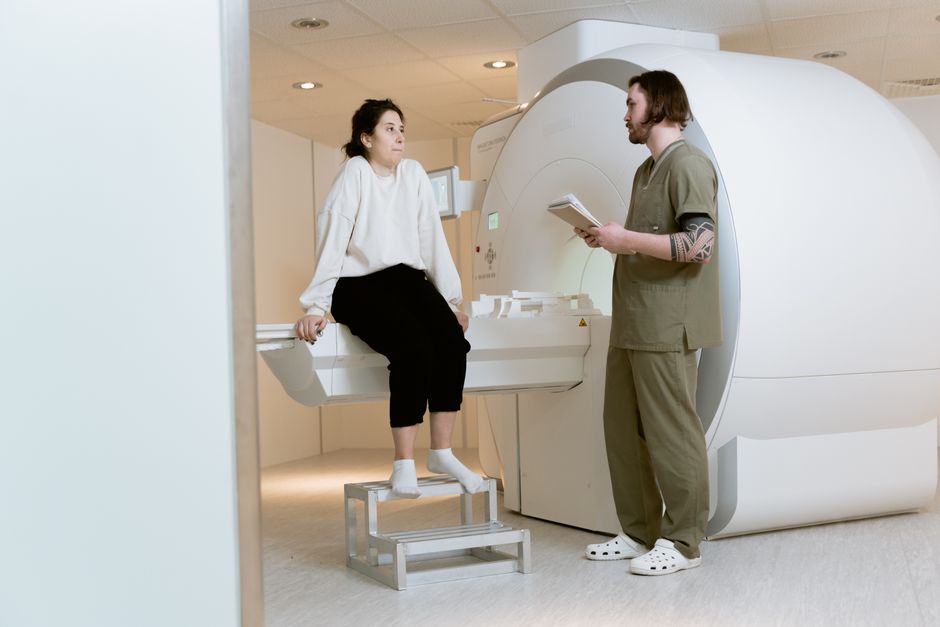
In today’s rapidly evolving healthcare landscape, specialized skills are more vital than ever. As diagnostic technology advances, the demand for highly trained professionals who can expertly operate complex medical equipment continues to grow. Magnetic Resonance Imaging (MRI) is at the forefront of this evolution, offering crucial insights for diagnosing and treating various conditions.
We understand that choosing a career path requires careful consideration, especially in a field as critical as healthcare. This is where career-focused education truly shines. Programs that emphasize practical skills and direct industry relevance, like those providing DSDT career-focused MRI degrees, equip individuals with the precise knowledge needed to excel.
This extensive guide will explore the profound benefits of pursuing an MRI Associate Degree. We will delve into what these programs entail, from daily responsibilities to admission requirements and curriculum. We will also cover vital aspects such as clinical training, certification pathways, career outlook, and the significant advantages of this specialized vocational route. Join us as we uncover how an MRI Associate Degree can bridge the gap to a rewarding and stable future in medical imaging.
The landscape of higher education is undergoing a significant transformation, with a growing emphasis on career-focused programs that directly address the needs of the modern workforce. This shift is particularly evident in the healthcare sector, where rapid technological advancements and an aging global population are creating an urgent demand for specialized skills. Traditional academic routes, while valuable, often require longer completion times and may not always provide the immediate, hands-on competencies that employers seek.
Career-focused education, on the other hand, is designed with industry alignment at its core. These programs offer accelerated pathways to professional certification and employment, allowing individuals to enter the workforce quickly with highly relevant skills. For instance, programs offering career-focused MRI degrees exemplify this approach, meticulously crafting curricula that mirror real-world job requirements. This model is highly effective for individuals seeking to make a direct impact in their chosen field without the extensive commitment of a four-year degree, providing a clear path to workforce entry.
Addressing the Shortage of Specialized Technicians
The healthcare industry is currently grappling with a significant shortage of specialized technicians, a challenge exacerbated by an increasing demand for diagnostic services. As medical technology advances, diagnostic imaging techniques like MRI have become indispensable tools for accurate diagnosis and treatment planning. This surge in demand, coupled with an aging workforce and population, has created a critical need for skilled MRI technologists.
MRI technologists are at the forefront of patient care, operating sophisticated equipment to produce detailed images of the body’s internal structures. Their expertise is crucial for detecting a wide range of conditions, from neurological disorders and cardiovascular diseases to orthopedic injuries and cancerous tumors. To meet this growing need, educational programs must prioritize clinical competency and technical proficiency, ensuring graduates are not only familiar with the theoretical aspects of MRI but are also highly skilled in its practical application. Career-focused Associate Degree programs in MRI are specifically designed to cultivate these essential skills, preparing a new generation of technologists to fill vital roles in hospitals, clinics, and imaging centers.
Flexibility and Accessibility in Career-Focused Education
One of the hallmarks of career-focused education is its inherent flexibility and accessibility, designed to accommodate a diverse student body. Recognizing that not all learners fit the mold of a traditional college student, these programs often incorporate innovative delivery methods, such as online learning and hybrid models. This allows individuals to pursue their education while managing existing work, family, or military commitments.
Many career-focused programs also remove traditional barriers to entry, such as stringent SAT/ACT requirements, focusing instead on a candidate’s aptitude and dedication to the field. This approach opens doors for career changers, military families, and individuals who may not have pursued higher education immediately after high school. Furthermore, for those with military service, accredited training programs often qualify for valuable financial aid options like the Post-9/11 GI Bill and MyCAA benefits, making a career in medical imaging an attainable goal. The emphasis on practical, relevant skills ensures that the education translates directly into employment opportunities, offering a tangible return on investment for students from all walks of life.
The MRI Associate Degree: A Primary Pathway to Success
An Associate Degree in Magnetic Resonance Imaging (MRI) serves as a foundational and often direct entry point for individuals aspiring to become MRI technologists. This degree is specifically designed to equip students with the comprehensive knowledge and practical skills required to operate MRI equipment and perform diagnostic procedures. For many, it represents the “Primary Pathway” to certification, meaning it’s suitable for those without prior certifications in other imaging modalities like radiography.
The curriculum typically covers a wide array of subjects essential for the profession. Students delve into the intricate principles of magnetic resonance, understanding how strong magnetic fields and radio waves interact with the body to create detailed images. A significant portion of the program is dedicated to cross-sectional anatomy, providing technologists with a deep understanding of human body structures as they appear in MRI scans. Pulse sequences, which are the specific instructions given to the MRI scanner to generate different types of images, are also a core component. Beyond the technical aspects, programs heavily emphasize patient safety, including screening for contraindications and managing potential risks associated with the powerful magnetic field. Medical ethics and professional conduct are also integrated, ensuring graduates are not only technically proficient but also compassionate and responsible healthcare providers.
Upon completion of an accredited Associate Degree program, graduates are typically eligible to sit for national certification exams administered by organizations such as the American Registry of Radiologic Technologists (ARRT) or the American Registry of Magnetic Resonance Imaging Technologists (ARMRIT). These certifications are crucial for employment and demonstrate a technologist’s competency and adherence to professional standards.
Here’s a simplified comparison of typical pathways to MRI certification:
MRI Certification Pathways: Primary vs. Post-Primary
Feature Primary Pathway (Associate Degree) Post-Primary Pathway (Certificate/Advanced Certificate) Prior Experience No prior radiography or imaging certification required Requires prior certification in Radiography (ARRT(R)), Nuclear Medicine (ARRT(N) or NMTCB), Radiation Therapy (ARRT(T)), or Sonography (ARDMS) Educational Level Associate of Science (AS) or Associate of Applied Science (AAS) Certificate or Advanced Technical Certificate Duration Typically 18-24 months (full-time) Typically 6-12 months (full-time) Curriculum Focus Comprehensive foundational knowledge in MRI physics, anatomy, procedures, patient care, and general education Focused on advanced MRI principles and procedures, assuming prior imaging knowledge Clinical Training Integrated clinical rotations are a core component Integrated clinical rotations are a core component Target Audience Individuals new to medical imaging or those seeking a direct MRI specialization Already certified imaging professionals looking to specialize in MRI Certification Eligible for ARRT (MR) or ARMRIT certification Eligible for ARRT (MR) or ARMRIT certification Benefits Holistic education, strong foundation, direct entry into the field Faster specialization for experienced imaging professionals Integrating Technology and Simulation
The integration of cutting-edge technology and simulation tools has become a cornerstone of modern MRI education, significantly enhancing the learning experience and preparing students for the complexities of real-world clinical settings. Programs often utilize advanced virtual simulators, such as the Corsmed MRI Simulator, which can mimic the entire MRI scanning environment. These simulators offer state-of-the-art educational modules, allowing students to practice operating the scanner, adjust parameters, and even identify various pathologies without needing access to an actual MRI machine.
This remote hands-on training complements traditional classroom instruction and laboratory work by providing a safe, controlled environment to experiment and refine skills. Students can practice positioning patients, selecting appropriate pulse sequences, and troubleshooting common issues, all while receiving immediate feedback. This immersive experience helps them develop critical thinking and decision-making abilities, which are vital for achieving diagnostic accuracy. Furthermore, these simulators can expose students to a wide range of real-patient cases and pathologies, preparing them for the diverse scenarios they will encounter during clinical externships. The seamless integration of such technology ensures that graduates are not only theoretically sound but also practically adept, ready to transition smoothly into their clinical roles.
Specialized Training for Military and Veterans
Career-focused education offers invaluable opportunities for military personnel and veterans transitioning to civilian life, providing clear pathways to high-demand careers like MRI technology. Programs designed with their unique needs in mind often incorporate flexible scheduling and robust support services. For instance, initiatives like the Department of Defense’s SkillBridge program allow service members to gain valuable civilian work experience through internships and training programs during their final months of service. An MRI Associate Degree program can be an ideal fit for SkillBridge eligibility, offering in-person training and leading directly to professional certification.
These specialized training pathways are crucial for equipping transitioning service members with career-ready skills that are highly sought after in the healthcare sector. Veterans bring a wealth of discipline, teamwork, and problem-solving abilities to the medical field, and career-focused MRI programs capitalize on these strengths while providing the necessary technical expertise. By focusing on practical, hands-on learning and direct industry alignment, these programs ensure that military personnel and veterans can successfully leverage their experience into a rewarding and stable career as an MRI technologist, contributing their invaluable skills to the civilian workforce.
Professional Requirements and Clinical Excellence
Becoming an MRI technologist demands more than just technical prowess; it requires a strong commitment to professionalism and adherence to stringent clinical standards. Before students can embark on their clinical training or externships, they must typically meet several essential requirements designed to ensure patient safety and ethical practice. These often include comprehensive background checks, to verify trustworthiness and suitability for working in sensitive healthcare environments, and up-to-date immunizations, protecting both the student and vulnerable patients from infectious diseases.
During clinical rotations, strict safety protocols are paramount. MRI environments involve powerful magnetic fields, necessitating meticulous screening of patients for metallic implants or devices. Technologists must master patient care techniques, including effective communication to alleviate anxiety, precise positioning for optimal image quality, and the administration of contrast media when required. This also involves understanding sterile technique to prevent infection during procedures and being prepared for emergency situations. The development of strong communication skills is vital for interacting with patients, physicians, and other healthcare team members, ensuring clear understanding and collaborative care. These professional requirements and the pursuit of clinical excellence are foundational to providing high-quality diagnostic imaging services and upholding the integrity of the healthcare profession.
Navigating Certification and Licensure
For aspiring MRI technologists, navigating the landscape of certification and licensure is a critical step towards a successful career. Upon completing an accredited Associate Degree program, graduates typically become eligible to sit for national certification examinations, most notably those offered by the American Registry of Radiologic Technologists (ARRT) for the MRI credential (ARRT(MR)) or the American Registry of Magnetic Resonance Imaging Technologists (ARMRIT). These certifications are widely recognized and often required by employers as a benchmark of competency and professional standards.
Accredited programs play a crucial role in preparing students for these rigorous exams, integrating test preparation into their curriculum and ensuring comprehensive coverage of all required knowledge domains. Beyond national certification, many states also require specific licensure for MRI technologists to practice legally. This often involves maintaining national certification and sometimes fulfilling additional state-specific requirements, such as continuing education credits. The commitment to lifelong learning, coupled with a strong foundation in professional values and sound clinical judgment, is essential for maintaining certification, licensure, and staying current with evolving technologies and best practices in the dynamic field of medical imaging.
Economic Outlook and Career Longevity
The career path of an MRI technologist offers a promising economic outlook and significant longevity within the healthcare sector. According to the U.S. Bureau of Labor Statistics (BLS), the median annual wage for MRI Technologists was $83,740 as of May 2023. This figure underscores the value and specialized nature of the profession. Furthermore, employment for radiologic and MRI technologists is projected to grow 7% from 2019 to 2029, which is faster than the average for all occupations. This growth is primarily driven by technological advancements in medical imaging and the increasing healthcare needs of an aging population.
Regional data further illustrates this robust demand. In California, for instance, projected employment growth for MRI technologists was an impressive 22% between 2018 and 2028. Arizona shows an even more significant expansion, with a projected employment growth of 39%. These statistics highlight not only the national stability of the profession but also specific areas experiencing rapid market expansion. Beyond the attractive salary and job growth, a career in healthcare, particularly in diagnostic imaging, offers inherent stability. The demand for medical services remains constant, regardless of economic fluctuations. Moreover, the skills acquired in an MRI Associate Degree program are highly transferable within the broader medical imaging field, providing flexibility and numerous opportunities for career advancement.
The Long-Term Value of Career-Focused Education
Investing in a career-focused education, such as an MRI Associate Degree, yields substantial long-term value that extends far beyond immediate employment. One of the most compelling advantages is the high return on investment (ROI). Compared to longer, more generalized degree programs, career-focused pathways often lead to rapid employment in a specialized field, allowing graduates to start earning sooner and potentially reduce their overall student debt.
This specialized expertise is a key differentiator. Graduates possess in-demand skills that are directly applicable to their roles, making them highly attractive to employers. This not only facilitates quicker job placement but also opens doors to various career advancement opportunities. As technologists gain experience, they can specialize further, move into supervisory roles, or even transition into education or sales within the medical imaging industry. The foundational knowledge and practical skills acquired provide a solid platform for lifelong learning, ensuring professionals can adapt to new technologies and continue to grow throughout their careers. A career-focused MRI Associate Degree is not just a qualification; it’s a strategic investment in a stable, rewarding, and evolving professional future.
Frequently Asked Questions about MRI Associate Degrees
Can I become an MRI technologist without prior X-ray experience?
Yes, absolutely. The Associate Degree in Magnetic Resonance Imaging is specifically designed as a “Primary Pathway” for individuals who do not have prior certification in radiography or other imaging modalities. Unlike “Post-Primary” certificate programs that require existing credentials, an Associate Degree allows direct entry into the MRI field. These programs feature a specialized curriculum that covers all foundational knowledge, from MRI physics and patient care to cross-sectional anatomy and imaging procedures, ensuring graduates are fully prepared for ARRT eligibility without needing prior X-ray experience.
How long does it take to complete an MRI associate degree?
The typical duration for completing an MRI Associate Degree program ranges from 18 to 24 months for full-time students. Some institutions offer accelerated options that can be completed in as few as 18-21 months. For example, Central Coast College’s MRI AAS program is completable in 115 weeks, which translates to just over two years, and includes a significant number of clinical externship hours (960 hours), lab hours (480 hours), and classroom hours (1,020 hours). The exact length can vary based on the program’s structure, the number of academic credits required, and the intensity of the clinical components.
Are online MRI programs recognized by national registries?
Yes, accredited online or hybrid MRI programs can certainly be recognized by national registries like the ARRT and ARMRIT. The key factor is accreditation. As long as the program is accredited by a recognized agency (such as the Joint Review Committee on Education in Radiologic Technology – JRCERT, for ARRT eligibility), and meets the rigorous standards set by these registries, its graduates will be eligible to sit for certification exams. Hybrid models, which combine online didactic coursework with in-person lab sessions and mandatory clinical placements, are increasingly common. These programs ensure students gain the necessary hands-on experience and clinical competency, which is crucial for both registry eligibility and employer trust. For example, the EPiC MRI programs, a consortium of Michigan colleges, offer online coursework combined with local clinical sites, demonstrating how such models effectively lead to ARRT certification eligibility.
Conclusion
The journey into the healthcare profession, particularly as an MRI technologist, represents a significant commitment to specialized skills and patient care. As we’ve explored, career-focused education, exemplified by the MRI Associate Degree, plays a pivotal role in bridging the gap between industry demand and workforce readiness. These programs offer a direct, efficient, and comprehensive pathway to a rewarding career, equipping individuals with the precise knowledge and practical expertise needed to excel in a rapidly evolving medical landscape.
By prioritizing hands-on training, integrating advanced simulation technologies, and ensuring eligibility for national certifications, these programs stand as beacons of educational innovation. They not only prepare graduates for immediate employment in a high-demand field with competitive salaries and robust job growth but also foster a foundation for lifelong learning and professional advancement. For those seeking a stable, impactful, and technologically advanced career in healthcare, pursuing an MRI Associate Degree offers an unparalleled opportunity to contribute meaningfully to patient diagnosis and treatment. We believe that investing in such specialized training is not just a career choice, but a commitment to the future of healthcare itself.


