
A Homeowner’s 2026 Guide To Lower HVAC Energy Bills Without Losing Comfort
With a house that never really sits empty between kids, dogs, and a restaurant business to run, our HVAC system works overtime more than most, so anything that promises lower HVAC energy bills without a huge replacement cost gets my attention. Reading through how much of the problem usually comes down to small things, a dirty filter, a blocked vent, a leaky duct, rather than the equipment itself failing, made me want to actually walk through our own house with this checklist before assuming we need something new. The reminder that a lower thermostat setting does not cool a house faster is one I definitely needed.
Key Takeaways
- Clean filters, open vents, and steady thermostat settings can reduce wasted HVAC runtime.
- Uneven temperatures may point to airflow or ductwork issues, not necessarily a failing unit.
- Maintenance helps find developing problems before they become expensive emergency repairs.
- Equipment efficiency matters, but correct sizing and installation matter just as much.
High heating and cooling bills do not always mean your HVAC system has failed. In many homes, the problem is a collection of small issues, such as restricted airflow, thermostat habits, duct leaks, or overdue maintenance. Working with a qualified provider such as Dynamic Comfort can help homeowners identify which improvements are most likely to improve comfort and reduce unnecessary energy use.
The goal is not to make your home uncomfortably warm in summer or cold in winter. It helps your system reach and maintain a reasonable indoor temperature with less strain. Start with the basic items you can control, then consider professional service or equipment upgrades only when the evidence supports it.
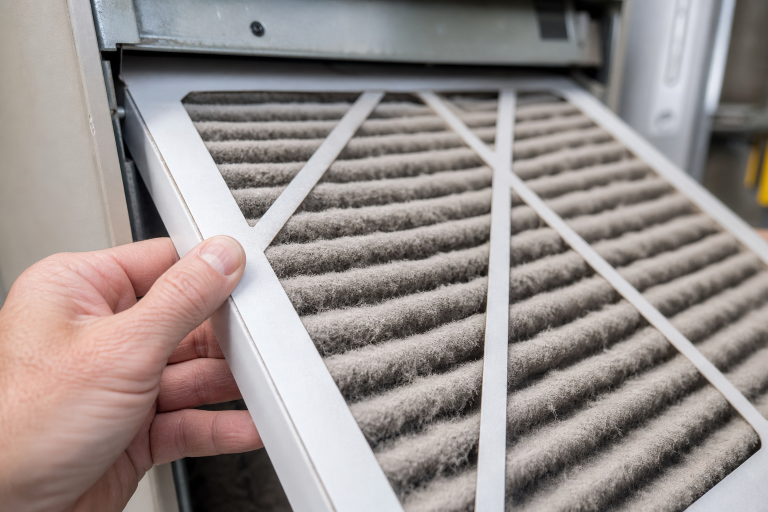
A dirty filter is one of the simplest causes of higher operating costs. It can limit airflow, make rooms feel uneven, and force the system to run longer than necessary. Check the filter size listed on the existing frame or equipment label, and replace it with the type recommended for your system.
Keep supply vents and return grilles uncovered by furniture, rugs, curtains, and storage. Closing several vents to push more air into other rooms can create pressure problems and may not deliver the savings you expect.
If your system is blowing warm air, short-cycling, making unusual sounds, or struggling to keep up during normal weather, prompt AC repair services can be more practical than waiting for a complete breakdown. Addressing a loose electrical connection, a drain issue, or an airflow restriction early may help prevent wider damage.
Why HVAC Bills Rise Even When Usage Seems Normal
Energy bills can rise even when your routine has not changed. Outdoor temperatures, humidity, utility rates, direct sun exposure, added household occupants, and heat-producing appliances all affect system runtime. Small efficiency losses also add up. If every cooling cycle lasts a little longer due to a clogged filter or dirty coil, the extra minutes can add up to many additional operating hours over a season.
Quick Changes That Can Lower Energy Use
- Replace dirty filters on a schedule that fits your home, pets, and system requirements.
- Close blinds or curtains during the hottest, sunniest part of the day.
- Use ceiling fans to improve perceived comfort, then turn them off when rooms are empty.
- Delay oven use, clothes drying, and other heat-producing tasks during hot afternoons when possible.
- Keep exterior doors and windows closed while the HVAC system is operating.
- Clear leaves, grass clippings, and stored items away from the outdoor unit.
How Airflow Affects Comfort And Cost
HVAC equipment depends on balanced airflow. When air cannot move freely through the filter, return grille, ducts, and supply vents, the system must work harder to deliver heating or cooling. Common warning signs include weak airflow from vents, rooms that stay warmer or cooler than the rest of the house, noisy operation, ice on cooling components, and unusually long cycles.
Choose Filters Carefully
A higher-rated filter can capture smaller particles, but it may also create more resistance. That does not mean homeowners should avoid better filtration. It means the filter should match the equipment’s design and be changed before it becomes heavily loaded. When in doubt, ask a technician which filter type supports both indoor air quality and proper airflow.
Why Ductwork Deserves More Attention
Leaky, disconnected, crushed, or poorly insulated ducts can send conditioned air into an attic, crawl space, garage, or wall cavity rather than into living areas. Hot and cold spots, dusty rooms, and high bills can all be clues. Sealing accessible gaps and insulating ducts in unconditioned areas may make a greater difference than repeatedly adjusting the thermostat.
Visible duct damage, moisture, suspected contamination, and difficult-to-reach duct runs should be inspected by a professional. A complete evaluation can also identify poor balancing, undersized returns, or duct paths that limit airflow to a specific room.
The Role Of Seasonal HVAC Maintenance
Seasonal maintenance is more than a quick look at the equipment. A thorough visit may include checking filters, electrical connections, coils, drain lines, safety controls, temperature performance, and signs of refrigerant or airflow trouble. Technicians can also investigate odors, short cycling, vibrations, and new sounds before peak summer or winter demand.
Maintenance cannot turn an old, undersized system into new equipment. It can, however, reveal whether a discussion of repair, airflow correction, or replacement is warranted. Keeping records of service visits and changes in energy use also gives you a clearer picture of system performance.
Using A Thermostat Without Wasting Energy
The most efficient temperature setting is generally the highest cooling setting or the lowest heating setting that remains comfortable and safe for everyone in the home. A programmable or smart thermostat can help by following a consistent schedule around sleep, work, school, and travel. Avoid repeatedly changing the setting throughout the day. Setting a thermostat much lower does not cool a home faster. It usually just causes the system to run longer.
When An HVAC Upgrade Makes Sense
Replacement may be worth considering when repairs become frequent, comfort remains uneven despite reasonable fixes, energy use increases without an obvious explanation, or the equipment is approaching the end of its useful service life. Do not compare systems by efficiency rating alone. Proper sizing, duct condition, insulation, installation quality, and local energy prices all affect real-world results.
Request written estimates that separate equipment, labor, duct modifications, electrical work, permits, and disposal. The most expensive option is not automatically the best option for your home.
Where Heat Pumps And Zoned Systems Fit
A heat pump moves heat rather than generating it through combustion, allowing a single system to provide both cooling and heating. It can be a strong option for many homes, but climate, insulation, electrical capacity, backup heat needs, and layout should guide the decision. Ductless or zoned systems can be useful for additions, rarely used rooms, or areas that conventional ductwork cannot serve well.
Before choosing new equipment, ask for a room-by-room assessment. This helps avoid installing a system that is too large, too small, or poorly matched to the home.
How To Check Rebates And Local Programs
Rebate availability can vary by location, household eligibility, utility provider, equipment type, and installation date. Arizona homeowners can review updates from the Efficiency Arizona rebate program, then compare those details with local utility requirements before purchasing equipment.
- Confirm eligibility and whether pre-approval is required.
- Save invoices, model numbers, installation records, and proof of payment.
- Ask whether a program covers equipment, duct sealing, insulation, controls, or electrical upgrades.
- Review application deadlines before scheduling work.
What HVAC Trends Mean For Homeowners
Newer systems may offer stronger efficiency and comfort features, but expected savings should be judged realistically. Weather, usage patterns, utility rates, maintenance, and installation quality still determine much of the final result. Wider cooling demand also affects household energy use and local power systems, as explained in this overview of air-conditioning energy demand. Focus on equipment performance and home fit rather than trend-driven features alone.
A Simple 30-Day HVAC Savings Checklist
- Day 1: Check filters, vents, returns, windows, and doors.
- Week 1: Review thermostat schedules and identify uncomfortable rooms.
- Week 2: Inspect visible ducts and clear debris from the outdoor unit.
- Week 3: Compare recent utility bills for unexpected increases.
- Week 4: Schedule service for leaks, short cycling, poor comfort, or new noises.
The Best Savings Plan Starts With The Basics
Lower HVAC costs usually come from several practical improvements working together. A clean filter, clear vents, reliable airflow, sealed ducts, steady thermostat habits, and timely maintenance can improve comfort without requiring an immediate replacement. If an upgrade becomes necessary, choose a system based on a complete assessment of your home, not on a single efficiency number or sales claim.
You Might Also Like
A few more HVAC reads worth checking out: air conditioner installation tips worth knowing, what balanced home heating actually looks like, how to find professional air conditioning services downtown, and what to expect from a Phoenix HVAC inspection.


