Getting Started with DIY Hydroponics and Herb Cultivation
The Evolution of Home Gardening: Why Hydroponics?
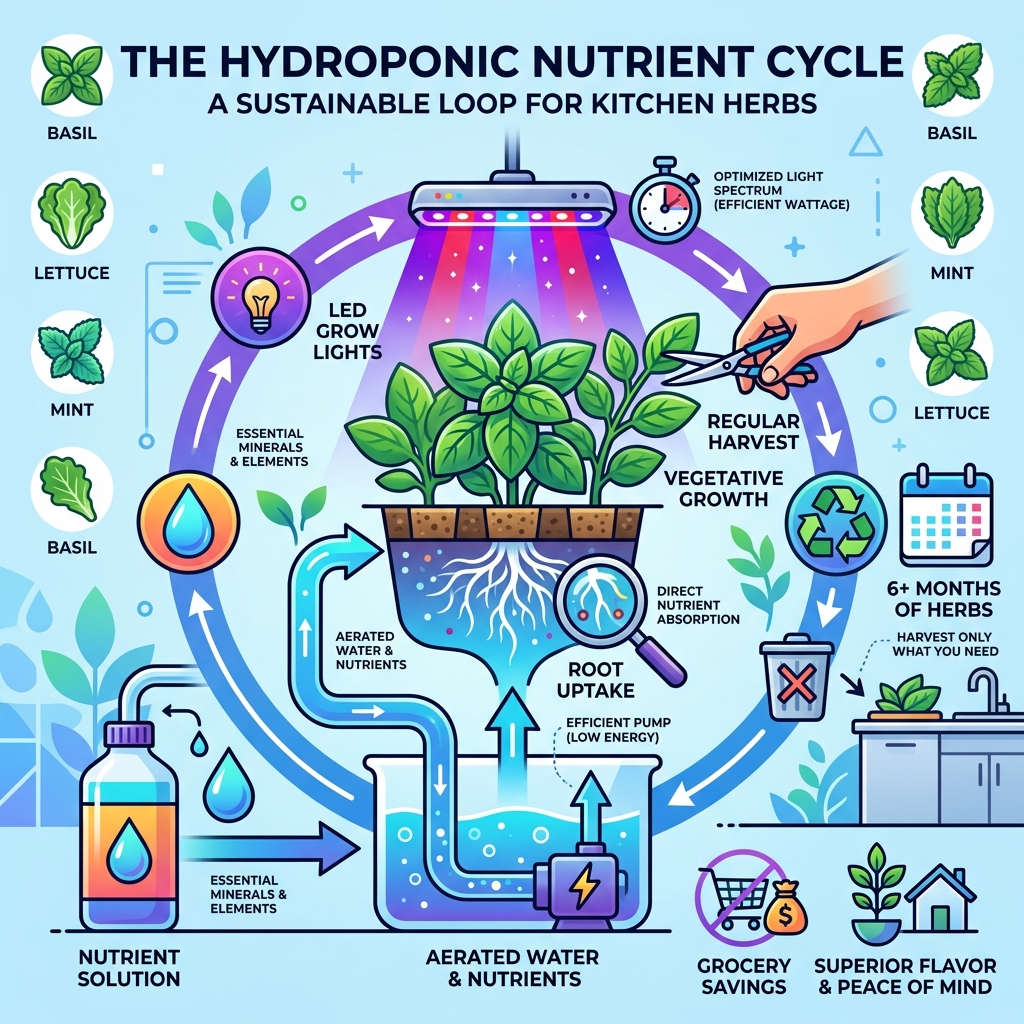
The shift towards hydroponic gardening in our kitchens is more than just a trend; it’s a revolution in how we approach fresh produce. By April 2026, many of us are seeking ways to integrate sustainable practices and fresh, healthy food into our daily lives, and hydroponics offers an elegant solution. This method replaces traditional soil with nutrient-rich water, delivering essential elements directly to plant roots. The benefits are compelling: plants often grow 30-50% faster, and some systems boast growth rates up to five times quicker than soil-based methods. This accelerated growth means more frequent harvests and a continuous supply of your favorite herbs.
Hydroponics also dramatically reduces water consumption, using up to 90% less water than conventional gardening. Without soil, the risk of soil-borne pests and diseases is virtually eliminated, making for a cleaner, healthier growing environment right on your countertop. This method aligns perfectly with biophilic design principles, enhancing our living spaces with natural elements and promoting a sense of well-being. For those interested in taking a hands-on approach to their indoor cultivation, exploring DIY hydroponic herb cultivation can be a rewarding journey, offering both customization and a deeper understanding of plant science.
Maximizing Small Spaces in Home Gardening
One of the primary appeals of kitchen hydroponic systems is their ability to thrive in compact spaces. Whether you live in a small apartment or simply have limited counter space, there’s a system designed to fit your needs. Vertical systems, for instance, maximize growing capacity by stacking plants upwards, making them ideal for urban dwellers. Even countertop models come in various sizes, from compact 3-pod units like the Click & Grow Smart Garden 3, which has a slim footprint, to larger 12-pod or 15-pod systems such as the iDoo Hydroponics Growing System or the Kingsyard 15-Pod Indoor Hydroponic Herb Garden.
For comparison, a 6-pod system like the AeroGarden Harvest Elite measures around 10.5 x 6.125 x 11 inches, comparable to a bread box, while a 3-pod system is often thinner than a loaf of sandwich bread. These diverse options allow for optimal space utilization, ensuring that fresh herbs are always within arm’s reach, regardless of your kitchen’s size.
Sustainable Practices in Modern Home Gardening
Beyond convenience, hydroponic kitchen gardens champion sustainability. Growing your own herbs means zero-waste harvesting—you only pick what you need, reducing food waste that often accompanies store-bought bundles. The absence of soil also eliminates the need for chemical pesticides, ensuring your herbs are pure and healthy. Many systems are designed with reusable pods or allow for the use of custom seeds and growing media, further reducing plastic waste associated with proprietary, single-use pods. The significant water savings, coupled with energy-efficient LED grow lights, contribute to a smaller environmental footprint, making indoor hydroponics a truly green choice for the modern home.
Designing Your Indoor Setup: Space and Power Needs
When planning your hydroponic kitchen herb garden, considering the physical space and power requirements is crucial. Most systems are designed to sit comfortably on a kitchen counter or shelf, but their dimensions vary. Smaller 3-pod systems might take up minimal space, while larger 12-pod or 15-pod units can be comparable to a small appliance. Ensure you have enough horizontal space and vertical clearance, especially for systems with adjustable grow lights.
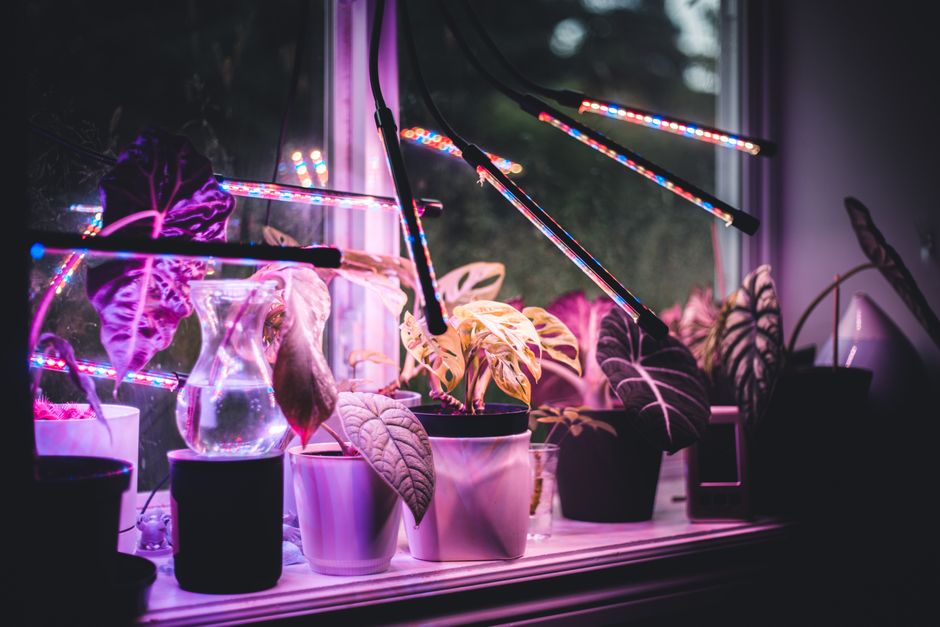
Adjustable LED grow lights are a critical feature to look for. As your plants grow, the light needs to be raised to maintain optimal distance, preventing scorching or leggy growth. These full-spectrum LEDs mimic natural sunlight, providing the necessary light spectrum for photosynthesis. They typically operate for 12-18 hours a day, depending on the herb, with recommended light intensity ranging from 200–400 PPFD at the plant canopy. Power consumption for these systems generally ranges from 15 watts for smaller units to 96 watts for larger, more comprehensive setups. While this adds to your electricity bill, it’s often negligible compared to the cost of continually buying fresh herbs.
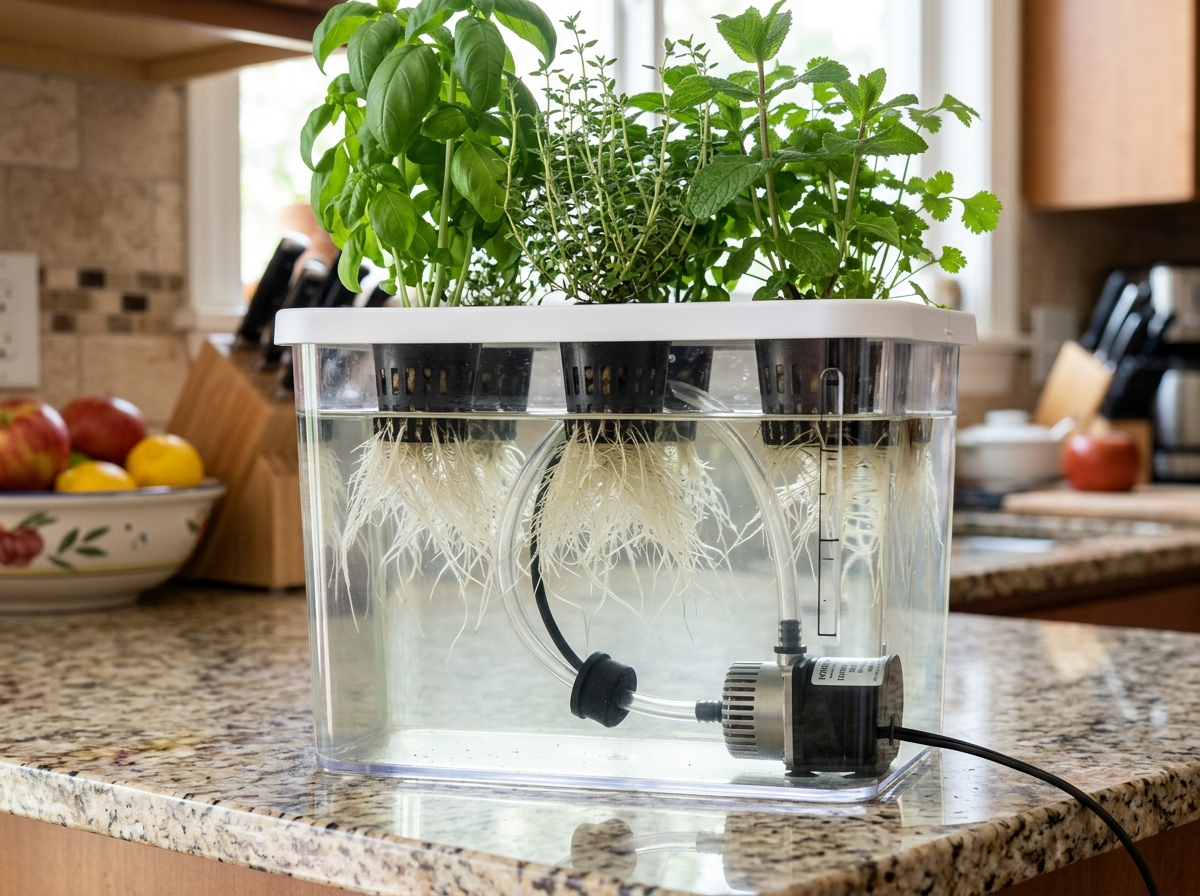
Reservoir capacity is another practical consideration. Systems can hold anywhere from 2.5 liters to 5 liters or more of water. Larger reservoirs mean less frequent refilling, which is a convenience for busy households. Most systems feature a quiet pump for water circulation, but it’s worth checking user reviews for noise levels, especially if your kitchen is part of an open-plan living space. Automated timers for lights and pumps are standard, taking the guesswork out of daily care.
Selecting and Growing the Best Hydroponic Herbs
The versatility of kitchen hydroponic systems allows us to grow a wide array of herbs, with hydroponic supplies australia making it easier to find the equipment and materials needed for beginners.

Best Herbs for Beginners:
- Basil: Genovese and Thai basil are popular choices. They sprout quickly (5-10 days) and can be ready for harvest in as little as three weeks, with full maturity in 2-3 months. Regular pinching encourages bushier growth and prevents bolting.
- Mint: Peppermint and spearmint thrive in hydroponic environments, growing vigorously. However, mint is an invasive herb, so it’s often best grown in its own system or isolated within a multi-pod system to prevent it from overtaking other plants.
- Lettuce: While not an herb, various types of lettuce are exceptionally easy to grow hydroponically, offering quick and continuous harvests.
- Chives: These perennial herbs are relatively low-maintenance and provide a steady supply of mild onion flavor.
Other Popular Choices:
- Cilantro: Known for its fast growth, cilantro also tends to bolt quickly (go to seed). To maintain a continuous supply, it’s recommended to sow new seeds every 3 weeks.
- Parsley: Both flat-leaf and curly parsley grow well, though they may take slightly longer to establish than basil.
- Oregano and Thyme: These Mediterranean herbs are slower to establish but are rewarding once mature. Rosemary, in particular, can take 90+ days to fully establish in a hydroponic system.
Many popular systems, such as AeroGarden and Click & Grow, use proprietary pods that come pre-seeded with a specific growing medium and nutrients. While convenient, these can limit your choices and incur ongoing costs. Systems like the iDoo Hydroponics Growing System often support 12 pods and are more flexible, allowing you to use your own seeds with generic grow sponges, offering greater customization and cost savings. Brands like AeroGarden, Click & Grow, and Modern Sprout often offer germination guarantees, promising replacements if their pods don’t sprout as expected, which can provide peace of mind for new growers.
System Maintenance and Troubleshooting Common Issues
Consistent maintenance is key to a thriving hydroponic herb garden. While these systems are designed for ease, a few regular tasks will ensure optimal growth and prevent common problems.
Routine Maintenance:
- Water Changes: Most systems recommend replacing the water in the reservoir every week to two weeks. This prevents nutrient imbalances and the buildup of unwanted elements.
- Nutrient Addition: Nutrients are typically added with each water change or monthly, depending on the system and plant needs. Always follow the manufacturer’s instructions for nutrient ratios.
- Cleaning: A monthly deep clean of the reservoir and system components is crucial to prevent algae growth and nutrient buildup. Handwashing components is often recommended.
- pH Balancing: Maintaining the correct pH level (ideally between 5.5–6.5 for most herbs) is vital for nutrient absorption. pH testing kits and balancing solutions are readily available.
- EC Monitoring: For more advanced growers, monitoring Electrical Conductivity (EC) helps ensure the nutrient concentration is appropriate for your plants.
Troubleshooting Common Issues:
- Root Rot: This often occurs due to insufficient oxygen in the water or stagnant conditions. Ensure your pump is circulating water effectively and clean the reservoir regularly.
- Algae: Green algae can grow in the reservoir if exposed to light. Keep the reservoir covered and ensure any growing media blocks light effectively. Algae competes with your plants for nutrients.
- Pests: While less common than in soil, pests like whiteflies or spider mites can still appear, often introduced by new plants or even through open windows. Regular inspection and prompt action (like gentle washing or organic pest control) are important.
- Nutrient Deficiencies: Yellowing leaves or stunted growth can indicate a nutrient deficiency or imbalance. Monitoring pH and EC can help diagnose these issues.
- Overcrowding: As plants grow, they can compete for light and space. Regular harvesting and pruning help manage plant size and ensure adequate airflow.
Many modern hydroponic systems come with features to simplify maintenance, such as water level indicators, automatic reminders for water and nutrient refills, and even “vacation mode” to slow plant growth when you’re away. Brands like Modern Sprout offer a “Thrive Promise” for troubleshooting or replacements if your kit isn’t growing as expected, providing excellent support for beginners.
Cost Analysis and Long-Term Value
The initial investment in a hydroponic kitchen herb garden can range significantly. Small, 3-pod systems might cost under $100, while larger, more automated units like the AeroGarden Harvest Elite (6 pods) or iDoo 12-pod systems can range from $150 to $300+. High-end vertical gardens, such as some Gardyn models, can be upwards of $500-$900.
Beyond the upfront cost, consider ongoing expenses:
- Nutrients: Hydroponic nutrient solutions are essential. A typical 30ml bottle of nutrient solution might last for several months, with costs varying.
- Replacement Pods/Sponges: If using proprietary systems, replacement seed pods can add up. Using generic grow sponges and your own seeds can significantly reduce this cost.
- Electricity: The LED grow lights and water pump consume electricity. While often efficient (e.g., 40-96 watts), this is an ongoing cost.
Do these systems save money compared to buying store-bought herbs? Absolutely. Users often report growing 6+ months of fresh herbs from a single kit, and many systems pay for themselves within a year or two through savings on grocery bills. The ability to harvest fresh herbs on demand also reduces waste, as you only pick what you need, unlike buying a whole bunch that might spoil. The long-term value extends beyond monetary savings; it includes the convenience, superior flavor, and peace of mind that comes from knowing exactly where your food comes from.
Frequently Asked Questions about Home Gardening
Which herbs are easiest for beginners to grow hydroponically?
For those just starting their hydroponic journey, we recommend beginning with herbs known for their fast growth, resilience, and high yield. Basil is almost universally cited as the easiest and most rewarding herb for hydroponic cultivation. Its seeds sprout quickly (often within 5-10 days), and it grows rapidly, allowing for frequent harvests. Various types of lettuce are also incredibly forgiving and provide a continuous supply of fresh greens. Mint is another vigorous grower, though its invasive nature means it’s often best grown in isolation within a system. These herbs require minimal maintenance and are less sensitive to minor fluctuations in pH or nutrient levels, making them perfect for building confidence and experience.
How much money can I save by growing herbs indoors?
The financial savings from a hydroponic kitchen herb garden can be substantial over time. While there’s an initial investment in the system itself, the cost of continually purchasing fresh herbs from the grocery store adds up quickly. Many users report that their systems pay for themselves within 6 to 18 months. Beyond direct monetary savings, you’ll also reduce food waste by only harvesting what you need, and you’ll enjoy the superior flavor and nutritional value of freshly picked, pesticide-free herbs. The year-round availability means you’re not subject to seasonal price fluctuations or availability issues, further enhancing the value proposition.
What are the most common mistakes in kitchen hydroponics?
Even with user-friendly systems, a few common pitfalls can hinder success:
- Over-seeding: Planting too many seeds in one pod can lead to overcrowding and competition for resources, resulting in stunted growth. Follow instructions for seed quantity per pod.
- Neglecting pH: Failing to monitor and adjust the water’s pH level is a frequent mistake. Incorrect pH prevents plants from absorbing essential nutrients, leading to deficiencies.
- Poor Airflow: Inadequate air circulation around plants can lead to fungal issues or pest problems. Ensure plants aren’t too crowded and consider a small fan if needed.
- Delayed Harvesting: Many herbs, especially basil and mint, thrive on regular harvesting. Delaying this can lead to leggy plants, reduced yield, and a tendency to bolt.
- Light Competition: If growing multiple types of herbs, ensure taller, faster-growing plants don’t overshadow smaller, slower-growing ones, blocking their light. Adjustable grow lights help mitigate this.
- Using Tap Water Directly: Depending on your local water quality, tap water may contain chlorine or high mineral content that can affect plant health. Letting it sit out to off-gas chlorine or using a simple filter can be beneficial.
Conclusion
Embracing a hydroponic kitchen herb garden in April 2026 is more than just a hobby; it’s a lifestyle choice that brings fresh flavor, culinary agency, and sustainable living directly to your home. With a range of systems available, from compact 3-pod units to expansive vertical gardens, there’s a perfect fit for every kitchen and every aspiring grower. The effortless maintenance, accelerated growth, and year-round harvests make it an incredibly rewarding endeavor. By understanding the basics of setup, maintenance, and herb selection, we can all enjoy the vibrant taste and aroma of homegrown herbs, transforming our cooking and our connection to the food we eat.