
Core Protocols for Healthy and Safe Indoor Environments
The Role of Environmental Remediation and Safety in Property Transfers
Understanding the profound impact of indoor air quality on health, particularly in conditions such as mold rashes, is crucial not only for homeowners but also for those involved in property transactions. Environmental remediation and safety protocols play a pivotal role in ensuring that properties are safe and healthy places to live or work. This is especially true when considering the transfer of a property, where hidden environmental hazards can lead to significant liabilities and health risks for new occupants.
Mold, asbestos, and lead are among the most common environmental contaminants that can affect indoor air quality and pose serious health threats. While mold is often associated with allergic reactions and skin rashes, asbestos and lead present their own unique and severe health consequences, from respiratory diseases to developmental issues. Addressing these concerns requires a comprehensive approach, often guided by regulatory bodies such as the New Jersey Department of Environmental Protection (NJDEP), and industry standards set by organizations like the Institute of Inspection, Cleaning and Restoration Certification (IICRC), the Professional Property Inspectors Institute (PPII), the Indoor Air Quality Association (IAQA), and the New New York State Department of Labor (NYSDOL). These entities provide frameworks and certifications that ensure remediation efforts are effective and safe.
The presence of environmental hazards can lead to chronic health issues. For instance, mold allergies are a common cause of chronic allergies, affecting individuals year-round due to pervasive exposure both indoors and outdoors. If you or someone in your household experiences persistent allergy symptoms, including skin rashes, investigate potential environmental triggers within the home. Early identification and intervention can significantly alleviate discomfort and prevent more severe health complications. Seeking professional medical advice to get a treatment plan is a proactive step toward managing these chronic conditions.

Identifying Mold Rashes and Health Risks
A mold rash is an allergic reaction to mold spores on the skin. Unlike bacterial or viral rashes, a mold rash is typically a manifestation of the immune system overreacting to mold allergens. This distinguishes it from many other skin rashes, which may be caused by infections, autoimmune conditions, or irritants. We often see mold rashes present as forms of atopic dermatitis, characterized by itchy, dry, scaly, and red skin, sometimes with bumps or blisters. In other cases, contact with mold can trigger contact dermatitis, resulting in swollen, hot, red, and tender skin. Some individuals may even develop hives, which are red, raised welts that appear and disappear. The key differentiator is the direct link to mold exposure, either through airborne spores or direct skin contact.
The common symptoms and visual characteristics of a mold rash can vary but frequently include:
- Redness and Inflammation: Affected areas often appear red and may be swollen.
- Itching: Intense itching is a hallmark symptom, leading to scratching that can further irritate the skin and potentially lead to secondary infections.
- Dry or Scaly Patches: The skin may become dry, flaky, or scaly, similar to eczema.
- Bumps or Blisters: Small, fluid-filled bumps or blisters can develop, especially in cases of contact dermatitis.
- Hives: Raised, itchy welts (urticaria) can appear suddenly.
These symptoms are not exclusive to mold rashes, making diagnosis challenging. Many other conditions, such as eczema, psoriasis, or even insect bites, can present similarly. However, if these symptoms appear or worsen after spending time in a damp or moldy environment, mold exposure should be considered a potential cause. For individuals experiencing persistent or unexplained skin issues, especially when accompanied by other allergic symptoms, consulting a healthcare professional is vital. They can help differentiate a mold rash from other Rashes and guide appropriate treatment.
The health risks associated with mold exposure extend beyond skin rashes. Immediate risks include allergic reactions, which can manifest as respiratory symptoms such as sneezing, coughing, wheezing, and nasal congestion. The Institute of Medicine (IOM) found sufficient evidence linking indoor mold exposure to upper respiratory tract symptoms, cough, and wheeze in otherwise healthy people. For those with pre-existing conditions, the risks are heightened. Mold exposure can exacerbate asthma symptoms in individuals with asthma and lead to hypersensitivity pneumonitis in susceptible individuals. Long-term exposure to mold, especially in significant quantities, can contribute to chronic respiratory problems, fatigue, and other systemic issues.
Certain individuals or groups are indeed more susceptible to mold rashes and other mold-related health issues. These include:
- Children: Their developing immune systems and smaller airways make them more vulnerable.
- Elderly Individuals: Weakened immune systems and pre-existing health conditions increase their susceptibility.
- Individuals with Asthma or Allergies: They are predisposed to allergic reactions and may experience more severe symptoms.
- Immunocompromised Individuals: Those with weakened immune systems due to illness (e.g., HIV/AIDS, cancer) or medication are at higher risk for mold infections.
- Individuals with Chronic Respiratory Conditions: Conditions like chronic obstructive pulmonary disease (COPD) can be worsened by mold exposure.
Mold exposure can cause a range of other health problems besides skin rashes. As mentioned, respiratory issues are very common, including allergic rhinitis, asthma exacerbation, and hypersensitivity pneumonitis. Other reported symptoms include headaches, fatigue, and throat and eye irritation. The connection between mold and these diverse health effects underscores the importance of maintaining good indoor air quality. If you suspect mold is affecting your health, particularly if you have skin issues, understanding the options for environmental remediation for mold skin rash can be a crucial step towards recovery. For a broader understanding of how mold can impact your health, the Mold Allergy page offers valuable insights.
Navigating NJ Regulations: Preliminary Assessments vs. Phase I ESAs
In property transfers, particularly in states like New Jersey, environmental due diligence is paramount. The New Jersey Department of Environmental Protection (NJDEP) sets forth stringent regulations to protect public health and the environment. Understanding the difference between a Preliminary Assessment (PA) and a Phase I Environmental Site Assessment (ESA) is critical for property owners, buyers, and sellers.
A Preliminary Assessment is often the first step in evaluating a property for potential environmental concerns. It involves reviewing historical records, conducting site reconnaissance, and interviewing to identify any “Areas of Concern” (AOCs) that may indicate past or present contamination. This assessment helps determine if further investigation is warranted.
A Phase I ESA is a more detailed investigation, typically conducted to satisfy the requirements of the Comprehensive Environmental Response, Compensation, and Liability Act (CERCLA) and to qualify for certain landowner liability protections. It involves a thorough review of environmental records, site reconnaissance, interviews, and a report outlining recognized environmental conditions (RECs). While a Phase I ESA primarily focuses on potential soil and groundwater contamination, it can also highlight issues like mold or asbestos if they are observed or reported.
State-specific protections, such as those mandated by the NJDEP, often go beyond federal requirements, especially concerning industrial sites. The Industrial Site Recovery Act (ISRA) in New Jersey is a prime example. ISRA imposes specific obligations on owners and operators of industrial establishments to investigate and remediate contamination when certain triggering events occur, such as the sale or cessation of operations. This legislation is designed to ensure that contaminated industrial properties are cleaned up before they are transferred or redeveloped, protecting future owners and the public. Understanding your responsibilities under ISRA is vital to avoid significant liabilities.
The primary causes of mold growth in homes that can lead to rashes and other health issues are consistently related to moisture. Mold thrives in damp, humid environments, and common culprits include:
- Water Leaks: Leaky roofs, pipes, windows, or foundations provide a constant moisture source.
- High Humidity: Poor ventilation, especially in bathrooms, kitchens, and basements, can lead to elevated indoor humidity levels (above 60%), creating ideal conditions for mold.
- Flooding: Any instance of water intrusion that is not dried completely and quickly (within 24-48 hours) will almost certainly result in mold growth.
- Condensation: Cold surfaces like pipes, walls, or windows can collect moisture, leading to condensation.
- Poor Air Circulation: Stagnant air in closets or behind furniture can trap moisture.
Addressing these moisture sources is the most effective way to prevent mold growth. For more information on how moisture contributes to mold growth and its health effects, the Illinois Department of Public Health provides valuable insights in its Mold and Your Health resource.
Best Practices for Environmental Remediation and Safety
Effective environmental remediation and safety practices are essential for mitigating the health risks posed by contaminants such as mold and asbestos. When dealing with mold, for example, simple cleanup tips for families often involve addressing small areas with proper ventilation and protective gear. However, for larger infestations or persistent health issues, professional help is indispensable.
For asbestos, the risks are even more severe. Asbestos-containing materials (ACMs) are commonly found in older buildings and, if disturbed, can release microscopic fibers into the air, leading to serious lung diseases such as asbestosis, lung cancer, and mesothelioma. Therefore, managing asbestos requires specialized expertise. Professionals holding AHERA (Asbestos Hazard Emergency Response Act) licenses are trained and certified to conduct asbestos inspections, identify ACMs, and perform safe abatement. Never attempt to remove asbestos yourself.
Beyond asbestos, other hazards, such as vermiculite insulation that may contain asbestos, also require cautious handling. Proper moisture control is a foundational best practice for preventing mold growth. This includes promptly repairing leaks, ensuring adequate ventilation, and using dehumidifiers in damp areas. While the removal of underground storage tanks (USTs) is another critical aspect of environmental remediation, it falls outside the scope of direct indoor air quality and skin rash concerns, but it underscores the broad spectrum of environmental liabilities property owners may face.
When considering treatment and management strategies for mold rashes, the first and most crucial step is to remove the individual from the source of mold exposure. For mild rashes, over-the-counter antihistamines can help reduce itching, and topical hydrocortisone creams can alleviate inflammation. Moisturizers are also essential to soothe dry, irritated skin. However, if symptoms persist, worsen, or are accompanied by other health issues, professional medical consultation is necessary. A doctor can accurately diagnose the rash, rule out other conditions, and prescribe stronger medications if needed. To learn more about allergies and available treatments, online resources from healthcare providers can be very helpful.
Strategic Management of Indoor Contaminants
Strategic management of indoor contaminants involves a multi-faceted approach, combining professional assessment, advanced filtration technologies, and consistent preventative measures. The goal is to create and maintain an indoor environment that is safe and healthy for all occupants. This is particularly important given the prevalence of environmental triggers for conditions like mold rashes and respiratory problems.
One of the cornerstones of effective indoor air quality management is the use of high-efficiency particulate air (HEPA) filters. These filters are designed to capture 99.97% of airborne particles 0.3 micrometers in diameter, including mold spores, pollen, dust mites, and other allergens. HEPA filters are commonly found in air purifiers and advanced HVAC systems. Utilizing a HEPA air scrubber during and after remediation work effectively removes airborne contaminants, preventing cross-contamination and improving overall air quality.
Controlling humidity is another critical aspect of strategic contaminant management. Mold thrives in environments with relative humidity above 60%. Implementing strategies such as using dehumidifiers in damp areas (basements, crawl spaces), ensuring proper ventilation in bathrooms and kitchens, and promptly addressing any water intrusions are essential. Regular professional assessment of indoor air quality can help identify hidden mold growth or other contaminants before they become widespread problems. If you’re experiencing persistent symptoms and suspect mold, a telehealth doctor can often help with an initial assessment and guide you on next steps. A Teladoc Health doctor can help diagnose symptoms and provide proper treatment.
Diagnostic Protocols for Mold and Chemical Exposure
Diagnosing a mold rash, or any mold-related illness, requires careful consideration and specific diagnostic protocols. Since mold rashes can mimic other skin conditions, a thorough medical evaluation is essential. This often begins with a comprehensive review of the patient’s medical history, including any known allergies, existing skin conditions, and details about their home or work environment. The doctor will also perform a physical examination of the rash.
To confirm a mold allergy, several tests may be involved:
- Skin Prick Test: This is a common and quick method. Small amounts of various mold allergens are pricked into the skin, usually on the forearm or back. If a person is allergic, a raised, red bump (wheal) will appear at the site within 15-20 minutes. Skin prick tests can check for many types of allergic reactions at once.
- Blood Tests (Allergen-Specific IgE): A blood test can measure the level of specific antibodies called Immunoglobulin E (IgE) in the bloodstream. When you’re exposed to an allergen, such as mold, your immune system produces IgE antibodies. Elevated levels of mold-specific IgE antibodies indicate a mold allergy. This test is particularly useful when skin testing is not feasible or when there’s concern about severe allergic reactions to skin testing.
- Patch Testing: While less common for mold allergies than for chemical contact dermatitis, patch testing may be used if a specific mold-related contact dermatitis is suspected.
Beyond allergies, assessing chemical exposure from mold (e.g., mycotoxins) or other indoor contaminants (e.g., volatile organic compounds) can be more complex. Organizations like the National Institute for Occupational Safety and Health (NIOSH), the Centers for Disease Control and Prevention (CDC), the Environmental Protection Agency (EPA), and the Occupational Safety and Health Administration (OSHA) provide guidelines and research on assessing environmental exposures. While direct testing for mold toxins in the human body is not routinely used to diagnose mold-related illness, understanding the presence of mold in the environment is key.
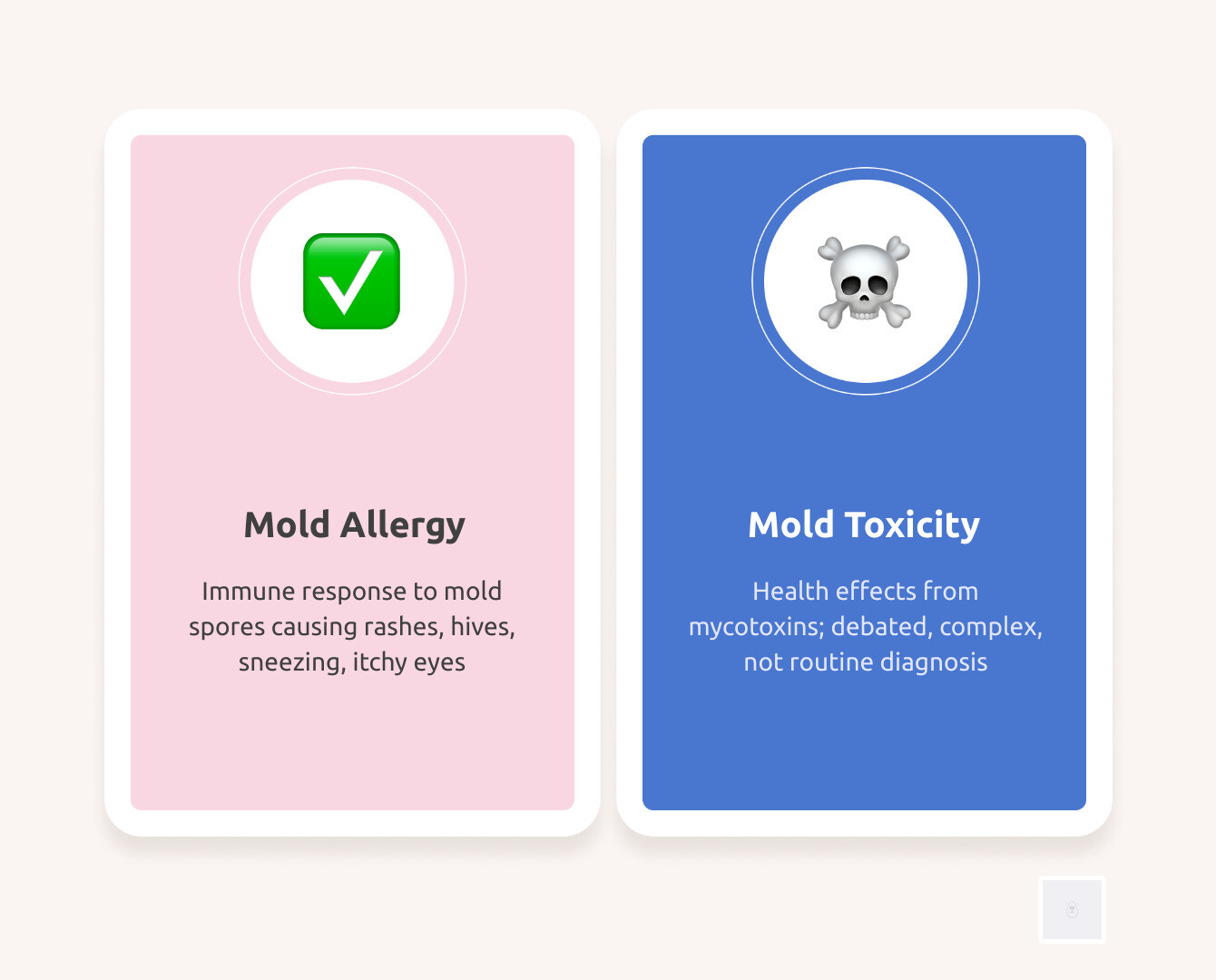
It’s important to differentiate between a mold allergy and potential mold toxicity, although the latter is a complex and often debated topic in the medical community. Mold allergy is an immune response to mold spores, while mold toxicity refers to potential health effects from exposure to mycotoxins produced by certain molds.
Long-term Prevention and Environmental Remediation, and Safety
Long-term prevention of mold exposure and subsequent skin rashes or other health issues hinges on controlling moisture and maintaining good indoor air quality. This requires consistent effort and, sometimes, professional intervention.
Key prevention strategies include:
- Ventilation: Ensure adequate airflow throughout your home. Use exhaust fans in bathrooms and kitchens, and consider opening windows when outdoor humidity is low.
- Leak Repair: Promptly fix any leaks in roofs, plumbing, or foundations. Even small, slow leaks can lead to significant mold growth over time.
- Humidity Control: Aim to keep indoor humidity levels below 60%, ideally between 30% and 50%. Dehumidifiers are effective in damp areas, such as basements.
- Cleaning and Maintenance: Regularly clean and dry areas prone to moisture, such as shower stalls, sinks, and refrigerator drip pans.
- Proper Drainage: Ensure that gutters are clean and direct water away from your home’s foundation.
- Protective Measures for Outdoor Exposure: When engaging in outdoor activities that might stir up mold (e.g., gardening, raking leaves), wear an N95 mask, gloves, and protective clothing to minimize exposure.
When mold growth is identified, especially in areas larger than 10 square feet, or if it’s deeply embedded in materials like drywall or insulation, professional mold remediation is recommended. Attempting to clean large mold infestations without proper training and equipment can inadvertently spread spores and worsen the problem. Professionals use specialized equipment and techniques to safely contain and remove mold.
The Centers for Disease Control and Prevention (CDC) provides extensive guidance on mold, emphasizing that the most important step is to address the moisture problem. You can find comprehensive information on CDC Mold Health, which outlines health effects and prevention strategies. Similarly, the Environmental Protection Agency (EPA) offers practical advice in its EPA Mold Guide, focusing on cleanup and moisture control. By adhering to these guidelines and implementing robust prevention strategies, we can significantly reduce the risk of mold-related health issues, including stubborn skin rashes.
Estate Sales and Industrial Site Recovery Act (ISRA) Compliance
The transfer of property, especially those with a history of industrial use, introduces a unique set of environmental considerations. Estate sales, often involving properties that have been in families for generations, can sometimes uncover hidden environmental liabilities. For properties in New Jersey, the Industrial Site Recovery Act (ISRA) is a critical piece of legislation that must be navigated.
ISRA applies to the sale, transfer, or cessation of operations of “industrial establishments” as defined by specific Standard Industrial Classification (SIC) codes. The purpose of ISRA is to ensure that any environmental contamination that may have occurred during the industrial use of a property is identified and remediated before the property changes hands or operations cease. This protects both the environment and future property owners from inheriting costly cleanup obligations.
Executors of estates or individuals managing the sale of a property with a history of industrial activity must be acutely aware of ISRA’s requirements. Failure to comply can result in significant penalties, delays in property transfer, and substantial financial liability for remediation. This involves a complex process of submitting various forms and reports to the NJDEP, including a General Information Notice (GIN), and potentially conducting site investigations and implementing cleanup plans. Property law in New Jersey is intertwined with these environmental regulations, making expert legal and environmental consultation indispensable.
The NJDEP provides detailed guidance and resources to help navigate ISRA compliance. Understanding these guidelines is crucial to ensuring a smooth, legally compliant property transfer. For more in-depth information, accessing the official NJDEP ISRA Guidance is highly recommended. This ensures that all necessary ISRA documentation is prepared and submitted correctly, safeguarding all parties involved in the transaction.
Home is supposed to be the place where we feel safest, but the air inside our homes can sometimes be the very thing working against us. Mold, moisture, and hidden contaminants are more common than most people realize, and the health effects can be easy to mistake for something else entirely. This post covers what to look for, how to respond, and when to call in a professional.


