The Hormonal Journey Of Pregnancy And Postpartum

Pregnancy triggers an extraordinary hormonal shift that affects nearly every system in a woman’s body. From the first trimester through the postpartum period, hormone levels rise and fall in ways that can influence mood, energy, sleep, and physical comfort. Knowing what to expect and how to manage these changes with hormones can help women feel more grounded during this intense and transformative time.
Hormones During Pregnancy
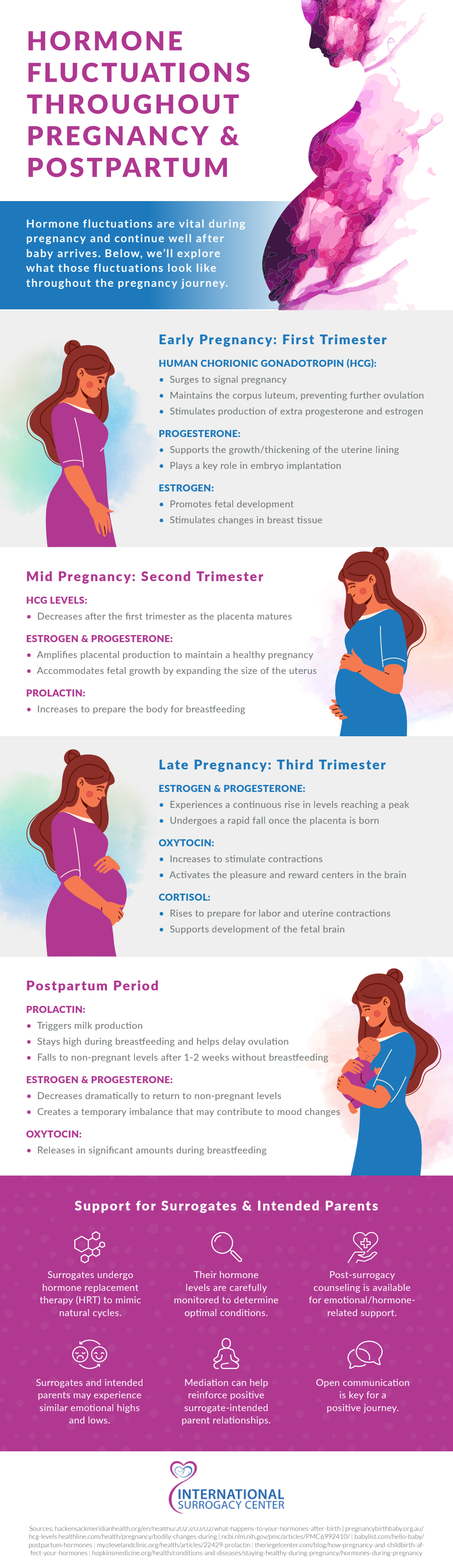
Estrogen and progesterone are two of the main hormones that increase during pregnancy. Estrogen supports uterine growth, blood flow, and fetal development, while progesterone helps maintain the uterine lining and prevent contractions too early in the pregnancy. Human chorionic gonadotropin (hCG), the hormone detected in pregnancy tests, peaks early to support the developing embryo. Relaxin also increases, loosening ligaments in preparation for childbirth, which can lead to discomfort or joint instability for some women.
These hormonal surges can explain why many women experience mood swings, fatigue, and heightened emotions, especially during the first and third trimesters. Sleep disturbances, digestive issues, and heightened sensory sensitivity can also stem from hormonal changes.
Postpartum Hormones
Hormone levels drop dramatically after delivery. Estrogen and progesterone fall quickly, often contributing to mood shifts or symptoms of postpartum depression. Prolactin, which supports milk production, remains high if a woman is breastfeeding and may suppress ovulation for a period of time. Oxytocin also plays a major role during this stage, supporting bonding and triggering letdown during breastfeeding. However, the combination of sleep deprivation and hormone fluctuations can leave many new mothers feeling emotionally overwhelmed, especially when paired with the physical demands of recovery and the constant attention required by a newborn.
It is helpful for women to track their moods and physical symptoms after birth and seek support if needed. Hormonal changes do not resolve overnight. They can take weeks or even months to stabilize. This depends on individual health factors and whether or not breastfeeding continues. Conversations with a healthcare provider can guide decisions about nutrition. Also, talking about exercise, and mental health care helps to support recovery and long-term well-being.
Experience of Recovery
Whether you are expecting your first child or exploring options to become a surrogate mother, understanding these hormonal patterns is important. Hormones play a powerful role in shaping both the emotional and physical experience of pregnancy and recovery, and informed support makes a difference at every stage. To learn more about hormone fluctuations throughout pregnancy and postpartum, look over the accompanying infographic below.