
Finding the Right Fit in Senior Living Communities
Watching a parent go through the search for the right senior living community taught me that the questions people ask first, staffing ratios, medical care, meal plans, are not always the ones that end up mattering most day to day. Reading through how much weekend programming actually reveals about a community’s real culture, whether residents get genuine choice and connection or just a quiet, empty stretch between structured weekdays, made me think back to how much those small details would have changed our own search if we had known to look for them.
Evaluating Lifestyle and Programming in Senior Living Communities
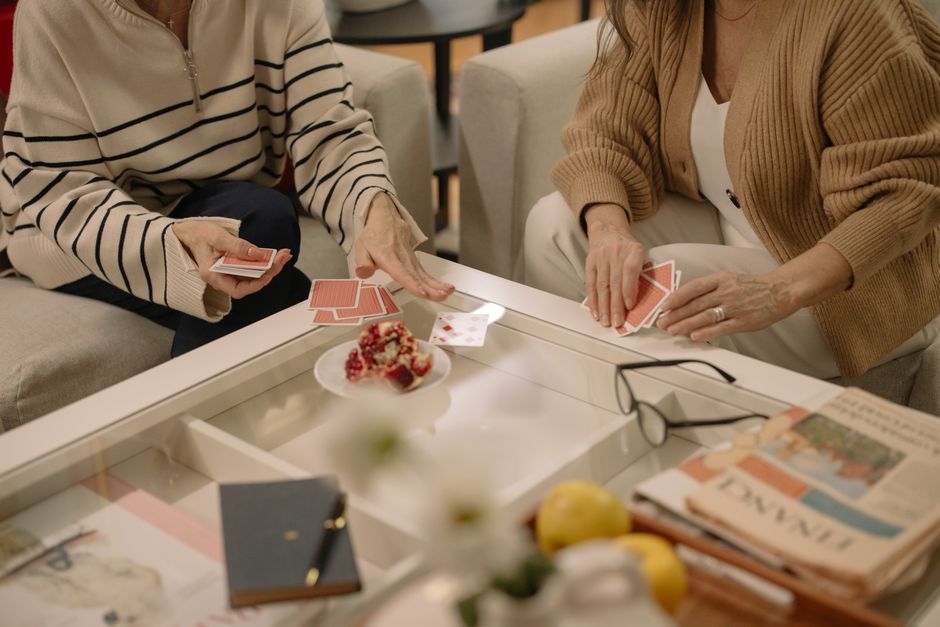 Finding the right senior living community is a significant choice. It goes beyond daily care. It’s about ensuring a vibrant and engaging lifestyle, especially when the work week ends. We understand that weekends can be a crucial time for connection or a period of isolation for residents. This is why well-planned weekend activities are so important. They support mental and physical health, help prevent loneliness, and foster social bonds.
We will explore the various options for assisted living weekend activities. We will examine how weekend programming often differs from weekday schedules. We will also highlight popular activities and how communities adapt them for different needs and interests. When evaluating potential communities, understanding the comprehensive approach of a quality senior living provider can be very insightful. Our aim is to help you compare these options to find a community where every weekend offers purpose and enjoyment.
When considering an assisted living community, we often look at the quality of care, the facility’s amenities, and its overall atmosphere. However, a truly holistic approach to senior wellness extends far beyond these basics. It encompasses a vibrant community culture that prioritizes engagement, social connection, and opportunities for personal growth. The lifestyle options available, particularly on weekends, play a pivotal role in a resident’s overall satisfaction and well-being.
The distinction between weekday and weekend programming is a key indicator of a community’s commitment to a rich, fulfilling life for its residents. Weekdays often follow a more structured schedule, incorporating routine medical appointments, therapy sessions, and core activities. Weekends, however, present an opportunity for more leisure-focused, flexible, and often more creative programming. This shift allows residents to pursue personal interests, enjoy relaxed social gatherings, and spend quality time with family and friends.
We recognize that a well-rounded activity schedule is essential for physical, mental, and emotional health. As of July 2026, modern senior living communities are increasingly focusing on dynamic weekend offerings to enhance residents’ lives.
Key Factors When Comparing Senior Living Communities
Beyond the specifics of weekend activities, several overarching factors should guide your comparison of senior living communities. Amenities, for instance, can range from fitness centers and libraries to communal dining areas and beautifully landscaped gardens. The location is also crucial, impacting convenience for family visits, access to local attractions, and the overall feel of the neighborhood. Equally important are the levels of care provided, ensuring that the community can meet evolving needs, from basic assistance to specialized memory care. A thorough understanding of these elements, alongside the activity calendar, helps paint a complete picture of what a community offers.
How Modern Senior Living Communities Support Cognitive Health
The focus on engaging activities, especially on weekends, is not merely for entertainment; it’s a vital component of supporting cognitive health. Modern senior living communities are acutely aware of the challenges posed by cognitive decline and the risk of conditions like dementia. Therefore, their programming is often designed to provide consistent mental stimulation. This can include activities such as brain games, discussion groups, learning new skills, or engaging in creative arts.
Research consistently shows that regular participation in hobbies and social activities can increase one’s lifespan and lower the risk of some health problems, like dementia, heart disease, stroke, and some types of cancer. Furthermore, creative, mentally stimulating, and physical activities can help improve memory and potentially delay cognitive decline. By offering a diverse array of mentally engaging activities on weekends, communities actively contribute to residents’ long-term cognitive vitality, helping to keep minds sharp and engaged.
The Importance of Robust Assisted Living Weekend Activities
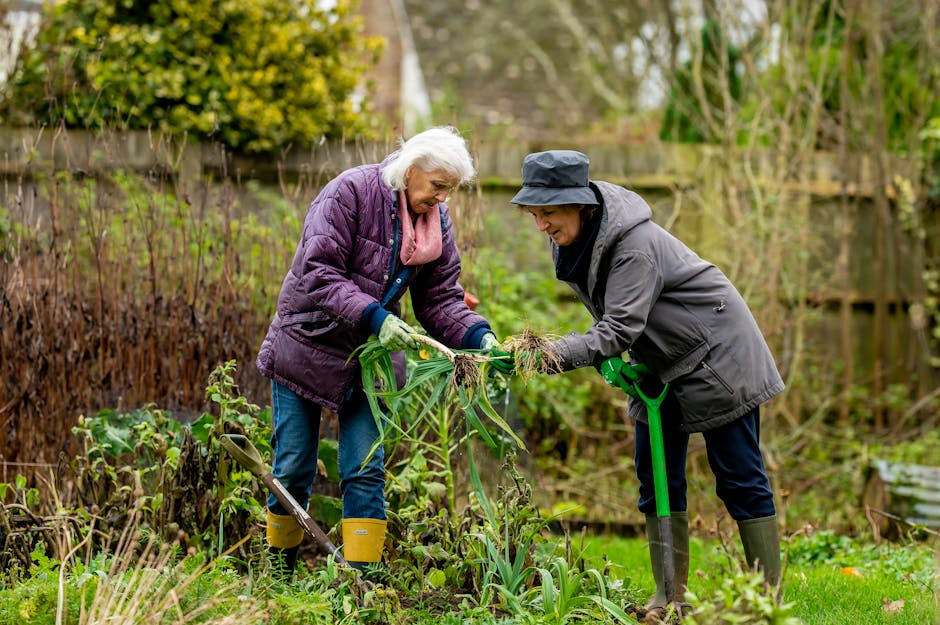
Weekends in assisted living are more than just a break from the weekday routine; they are a critical component of a resident’s overall well-being. Robust weekend activities are essential for fostering social connection, enhancing quality of life, and actively working against isolation. These programs provide opportunities for residents to engage with peers, explore new interests, and maintain a sense of purpose.
Weekday Structure vs. Weekend Flexibility
One of the primary differentiators in assisted living programming lies in the contrast between weekday structure and weekend flexibility. Weekday schedules often revolve around established routines, including meal times, personal care assistance, and scheduled therapeutic activities like physical or occupational therapy. While these structured routines are vital for consistent care and health management, weekends typically offer a shift towards more leisure-oriented programming.
This distinction is deliberate. Weekend activities are designed to provide residents with greater autonomy and choice, allowing them to pursue personal interests at a more relaxed pace. This might mean longer periods for hobbies, special events, or simply more unstructured time for personal reflection or quiet enjoyment. The goal is to create an environment where residents feel less bound by a rigid schedule and more empowered to shape their own weekend experience, fostering a sense of normalcy and personal freedom often associated with “weekend time.”
Balancing Rest and Active Recreation
A well-designed weekend activity program strikes a careful balance between rest and active recreation. While engagement is crucial, communities understand the importance of providing ample opportunities for relaxation and rejuvenation. This means offering a mix of high-energy social events, stimulating mental exercises, and quieter, more contemplative activities. For instance, a Saturday might feature a lively musical performance or a community outing, while Sunday might offer a peaceful spiritual service, a gentle yoga class, or a quiet reading club.
This thoughtful recreation balance ensures that residents can participate according to their energy levels and preferences. It acknowledges that physical health and mental wellness are supported not just by constant activity, but also by periods of restful recuperation. By providing diverse options, communities empower residents to manage their own pace, preventing overstimulation while still promoting an active and engaged lifestyle.
Enhancing Quality of Life and Social Connection
The impact of robust weekend activities on a resident’s quality of life and social connection cannot be overstated. These programs are a powerful antidote to social isolation and the loneliness risks that can significantly affect older adults. Staying active and involved with loved ones and in their community can help seniors form friendships, reduce feelings of isolation, and feel happier.
Researchers are learning more about the dangers of social isolation and loneliness among older adults. Too much time alone increases a senior’s risk of dementia, as well as other health problems including high blood pressure, obesity, depression, and heart disease. Weekend activities provide structured and informal opportunities for residents to interact, build rapport, and develop meaningful friendships. Whether it’s through shared hobbies, group outings, or simply casual conversations during a community event, these interactions are fundamental to combating loneliness and fostering a strong sense of belonging within the community. This social engagement directly contributes to improved mental health, emotional well-being, and a significantly enhanced quality of life.
Diverse Weekend Programming for All Ability Levels
Effective assisted living communities recognize that residents come with a wide range of physical, cognitive, and social abilities. Therefore, weekend programming must be diverse and inclusive, offering adaptive recreation options that ensure every resident can participate and feel engaged. This commitment to inclusivity is vital for promoting overall well-being and preventing anyone from feeling left out.
Popular Recreational Pursuits
Weekend activities often feature a blend of familiar and novel recreational pursuits designed to appeal to varied interests. Popular choices frequently include:
- Creative Arts: Painting, pottery, knitting, scrapbooking, and music appreciation classes are always in demand. These activities provide mental stimulation and a means of self-expression.
- Physical Activities: Gentle exercise classes like chair yoga, tai chi, walking clubs, and even indoor bowling or putting greens are common. Physical exercise can help improve balance and strength, which can reduce risk of falls and fractures. These activities are crucial for maintaining mobility and preventing common age-related injuries.
- Social Gatherings: Movie nights, themed dinner parties, card and board game tournaments, and happy hours are excellent for fostering camaraderie.
- Educational Opportunities: Guest speakers, book clubs, documentary screenings, and current events discussions keep residents mentally sharp and informed.
- Outings: Trips to local parks, museums, concerts, or even shopping centers provide a change of scenery and a connection to the wider community.
- Gardening Clubs: For those with a green thumb, communal gardens or potted plant projects offer therapeutic benefits and a chance to enjoy nature.
These hobbies and activities are popular because they offer a blend of physical, mental, and social engagement, catering to the multifaceted needs of older adults.
Adapting Activities for Diverse Abilities
A hallmark of exceptional assisted living is the ability to adapt activities for diverse abilities. This means going beyond a one-size-fits-all approach and implementing strategies for cognitive adaptation and physical modifications. For residents with mobility challenges, activities can be modified to be seated or utilize assistive devices. For example, a dance class might become a chair dance class, or a walking club might offer shorter, flatter routes.
For those experiencing cognitive decline, activities are often simplified, broken into smaller steps, or supported with visual cues. Memory care units might offer sensory-based activities, reminiscence therapy groups, or simplified art projects that focus on the process rather than the outcome. Inclusive design principles are applied to ensure accessibility, from wheelchair-friendly spaces to clear signage and adaptable equipment. Activity coordinators are trained to assess individual needs and make necessary adjustments, ensuring that everyone has the opportunity to participate meaningfully.
Leveraging Technology for Quieter Pursuits
Technology has emerged as a powerful tool to enhance weekend activities, particularly for residents who prefer quieter pursuits or have limited mobility. Virtual options can open up a world of possibilities without requiring physical travel. For example, residents can enjoy virtual reality (VR) experiences that transport them to exotic locations, allow them to explore art museums, or even revisit familiar places from their past.
Digital games, ranging from mentally stimulating puzzles and strategy games to interactive trivia, provide engaging entertainment. Assistive technology can also facilitate communication and connection, allowing residents to video chat with distant family members or participate in online interest groups. For those who enjoy solitary activities, e-readers, audiobooks, and access to online learning platforms offer endless opportunities for quiet enjoyment and continued personal growth. These technological enhancements ensure that even those who prefer a more subdued weekend can remain engaged and connected.
Fostering Connection Through Family and Community Integration
A truly enriching assisted living experience extends beyond the community’s walls, fostering strong connections with family and the wider community. This community integration is vital for social wellness, ensuring residents remain part of a broader social fabric. Weekend schedules are often designed to facilitate these crucial external relationships.
Intergenerational Programs and Family Visits
Weekends are traditionally a time for family, and assisted living communities actively encourage family involvement. Many communities designate specific areas for private family visits, allowing residents to spend quality time with loved ones in a comfortable setting. Beyond individual visits, intergenerational programs have become a cornerstone of weekend programming. These programs bring together residents with children and young adults from local schools, scout troops, or youth organizations.
Activities might include storytelling sessions, shared art projects, board game afternoons, or even mentoring programs. These interactions offer immense benefits for both generations: seniors gain companionship and a renewed sense of purpose, while younger participants learn valuable life lessons and develop empathy. These youth programs and weekend visits provide invaluable emotional support and create cherished memories, reinforcing the resident’s place within their family and community.
Ensuring Safety and Staffing on Weekends
The provision of robust weekend activities must always go hand-in-hand with stringent safety protocols and adequate staffing. Communities prioritize resident safety by maintaining appropriate staffing ratios, ensuring that enough trained personnel are on hand to supervise activities, assist residents, and respond to any emergencies. Weekend coverage typically includes a full complement of care staff, nurses, and dedicated activity coordinators.
Activity coordinators play a crucial role in planning, organizing, and overseeing weekend events, ensuring they are safe, engaging, and appropriate for all participants. Safety monitoring is integrated into all activities, from ensuring clear pathways during group events to providing assistance with transfers during outings. This meticulous attention to staffing and safety considerations ensures that residents can enjoy their weekend activities with peace of mind, knowing they are in a secure and supportive environment.
Feedback Loops and Continuous Improvement
The best assisted living communities are dynamic, constantly refining their programming to meet the evolving needs and preferences of their residents. This continuous improvement is driven by robust feedback mechanisms. Resident councils are often established, providing a formal platform for residents to voice their opinions, suggest new activities, and offer constructive criticism.
Regular surveys are another common tool, gathering anonymous feedback on activity satisfaction, preferred types of events, and suggestions for improvement. Activity coordinators and management teams actively review this input, using it to track preferences, identify popular programs, and make necessary adjustments. This iterative process ensures that weekend programming remains fresh, relevant, and truly reflective of the residents’ desires, contributing significantly to their satisfaction and engagement.
Frequently Asked Questions About Senior Living
We understand that families and prospective residents have many questions when considering assisted living, especially regarding the social and recreational aspects of community life. Here, we address some common inquiries about weekend activities.
What are the most common assisted living weekend activities?
The most common assisted living weekend activities typically fall into categories that promote social interaction, mental stimulation, and gentle physical activity. These often include social events like movie nights with popcorn, themed dinner parties, or “happy hour” gatherings. Many communities also organize outings to local attractions, such as parks, museums, or community events. Creative arts such as painting, crafting, or music sessions are perennial favorites. Additionally, card and board game tournaments, discussion groups, and light exercise classes like chair yoga or walking clubs are very popular. The aim is always to offer a diverse menu that caters to a wide range of interests and abilities.
How do communities handle weekend staffing for activities?
Ensuring adequate staffing for weekend activities is a top priority for assisted living communities. They typically employ dedicated activity directors and a team of activity assistants who specifically focus on planning and executing weekend programming. These staff members are responsible for leading activities, facilitating resident participation, and ensuring a safe and enjoyable environment. Beyond the activity team, general care staff and nursing staff are also on duty, maintaining standard care coordination and providing safety monitoring across the community. This comprehensive weekend staff ensures that residents receive both the specialized attention for activities and the consistent care they need.
Why is weekend socialization critical for older adults?
Weekend socialization is critical for older adults because it directly combats the significant risks associated with social isolation and loneliness. As we’ve discussed, too much time alone can increase the risk of dementia, high blood pressure, obesity, depression, and heart disease. Weekends, in particular, can be times when feelings of loneliness are amplified if there are no engaging activities or opportunities for connection.
By providing structured and informal social events, communities help residents form and maintain friendships, fostering a strong sense of belonging and community. This regular interaction contributes significantly to their mental health, emotional well-being, and even cardiovascular health. It ensures that older adults remain connected, engaged, and feel valued, which is fundamental to a high quality of life.
Conclusion
Choosing an assisted living community is a decision that profoundly impacts an individual’s daily life and overall well-being. As of July 2026, we see a growing recognition that robust, engaging weekend activities are not merely an amenity but a crucial component of holistic care. The comparison of weekend activity options reveals a community’s true commitment to fostering social connection, promoting physical and cognitive health, and enhancing the quality of life for its residents.
From diverse programming that caters to all ability levels to the thoughtful integration of family and technology, well-planned weekend schedules ensure that every day brings purpose and joy. When evaluating potential communities, we encourage you to look beyond the basic care provisions and delve into the richness of their weekend offerings. By prioritizing communities that demonstrate a vibrant, resident-centered approach to weekend engagement, you can make a choice that supports long-term wellness and a truly fulfilling senior living experience.


