
Finding the Right Equipment for Your Sewing and Quilting Projects
Between costume pieces for the kids and the occasional craft project I convince myself I have time for, my sewing kit is a mess of half-used tools I bought for one project and never organized. Real sewing and quilting supplies, the kind that actually match the task instead of just being whatever was in the drawer, would probably save me more time than any new gadget I keep eyeing.
Essential Sewing and Quilting Supplies for Every Craft Room
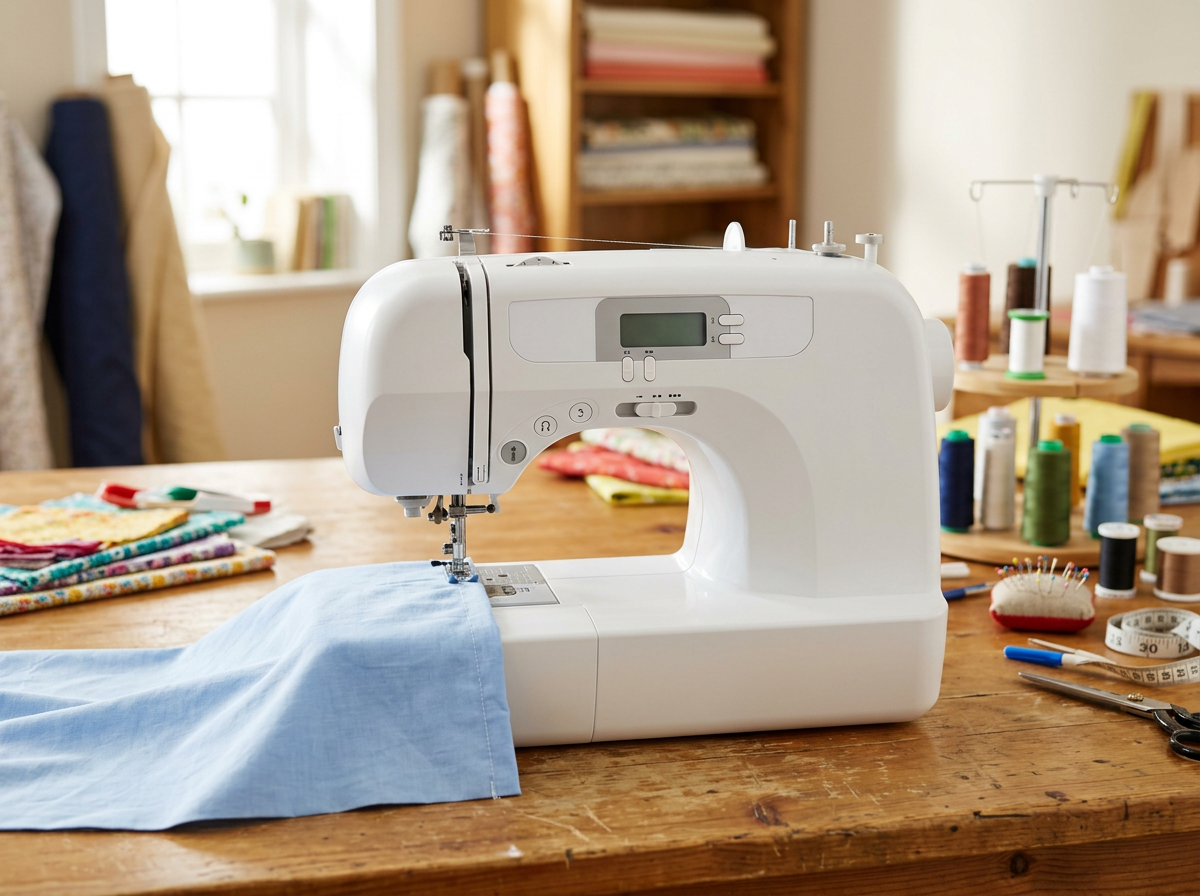
In the vibrant world of textile arts, where every stitch tells a story, the tools you choose are just as important as your skill. For passionate crafters, the right equipment can truly transform a creative vision into a tangible masterpiece. A reliable sewing machine, in particular, forms the heart of any successful project within the expansive sewing and quilting industry.
Today, we’re examining a model that has left a lasting impression: the Brother CE-4000. While its time on the new market has passed, understanding its capabilities offers valuable insights into what makes a great machine. We’ll explore its key features, discuss its suitability for various projects, and highlight essential accessories. Our aim is to guide you in selecting equipment that aligns perfectly with your creative ambitions.
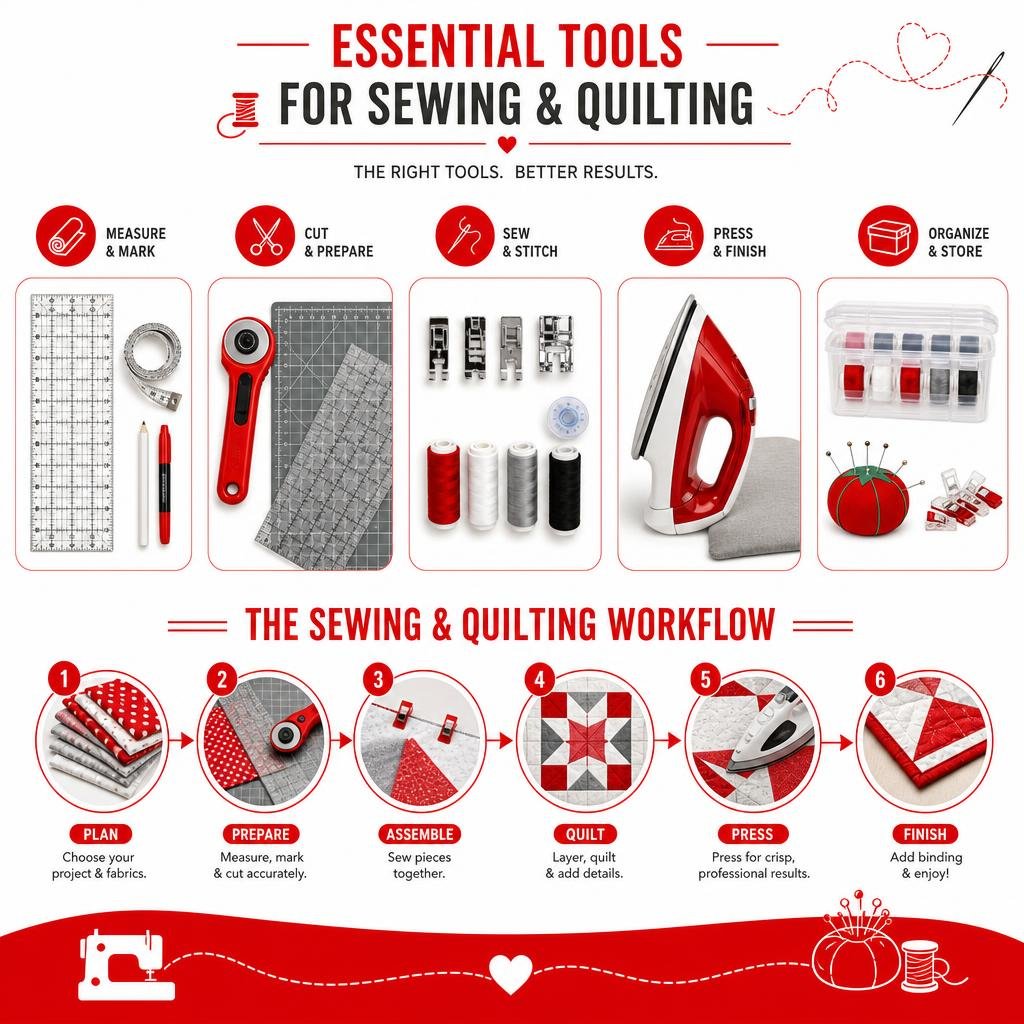
Before we delve into the specifics of a sewing machine, it’s crucial to acknowledge the foundational tools that support every sewing and quilting endeavor. A well-stocked craft room is not just about the machine; it’s about having the right supporting cast of supplies that ensure precision, efficiency, and enjoyment in your creative process. Whether you’re a seasoned quilter or a beginner seamstress, these tools are indispensable.
Core Sewing and Quilting Supplies for Fabric Preparation
The journey of any sewing or quilting project begins with meticulous fabric preparation. This stage is critical for achieving professional-looking results and preventing common issues like fabric distortion or uneven seams. Understanding fabric grain is paramount; cutting along the correct grain ensures your finished piece hangs or drapes as intended.
For accurate cutting, a quality set of tools is non-negotiable. Rotary cutters, with their sharp, replaceable rotary blades, are a game-changer for quilters, allowing for precise, straight cuts through multiple layers of fabric. These are typically used in conjunction with self-healing cutting mats that protect your work surface and prolong blade life, and clear acrylic rulers that provide a stable edge for cutting. For garment construction, sharp fabric shears are essential for intricate cuts and curves, distinct from paper scissors to maintain their edge.
Measuring gauges, often small metal rulers with sliding markers, are perfect for quick, repetitive measurements like hem allowances or seam widths. Marking pens or chalk are invaluable for transferring pattern markings onto fabric, ensuring accuracy before you even touch the sewing machine.
Beyond cutting and measuring, consider essential sewing notions like a variety of high-quality basting pins or safety pins for holding fabric layers together, especially in quilting. Fabric stabilizers can be vital for working with delicate or stretchy fabrics, preventing puckering and providing a firm foundation for stitching. And, of course, a reliable iron and ironing board are crucial for pressing seams flat and crisp, which is a secret weapon for achieving perfectly aligned blocks and smooth garment finishes. A seam ripper, while often seen as a tool for mistakes, is an absolute necessity for correcting errors cleanly and efficiently, making it an unsung hero in any sewing kit.
Specialized Sewing and Quilting Supplies for Finishing and Detailing
Once the main construction is complete, the finishing touches elevate a project from handmade to handcrafted. Specialized tools for finishing and detailing can make these final steps much easier and yield superior results.
For quilters, mastering quilt binding is often the final frontier. Tools like binding clips, specific binding feet for your machine, and even dedicated binding makers can simplify this process. When it comes to machine quilting, a walking foot is often indispensable. This specialized presser foot, which we’ll discuss further, ensures even feeding of multiple fabric layers, preventing shifting and puckering. For more intricate free-motion quilting designs, a darning foot allows you to move the fabric freely under the needle, creating beautiful custom patterns.
Beyond quilting, general finishing tools include thread snips for quickly trimming thread tails close to the fabric, and point turners for achieving crisp corners on collars, pockets, or bags. Buttonhole cutters can provide a clean, professional finish to machine-stitched buttonholes. For hand-finishing tasks, a selection of sharp hand needles in various sizes is crucial, alongside a reliable thimble. Hem gauges assist in creating consistent, even hems, while bias tape makers can transform strips of fabric into custom bias tape for decorative edges or strong finishes. Investing in these specialized tools not only saves time but also significantly enhances the quality and appearance of your finished projects.
Key Features to Look for in Modern Computerized Machines
The Brother CE-4000, while a discontinued model as of September 2026, offers a fantastic case study in the features that define a capable computerized sewing machine. Its design and functionality highlight what many crafters seek: a balance of automation, versatility, and user-friendliness. Understanding these core attributes can help us appreciate what makes a machine truly effective for diverse projects.
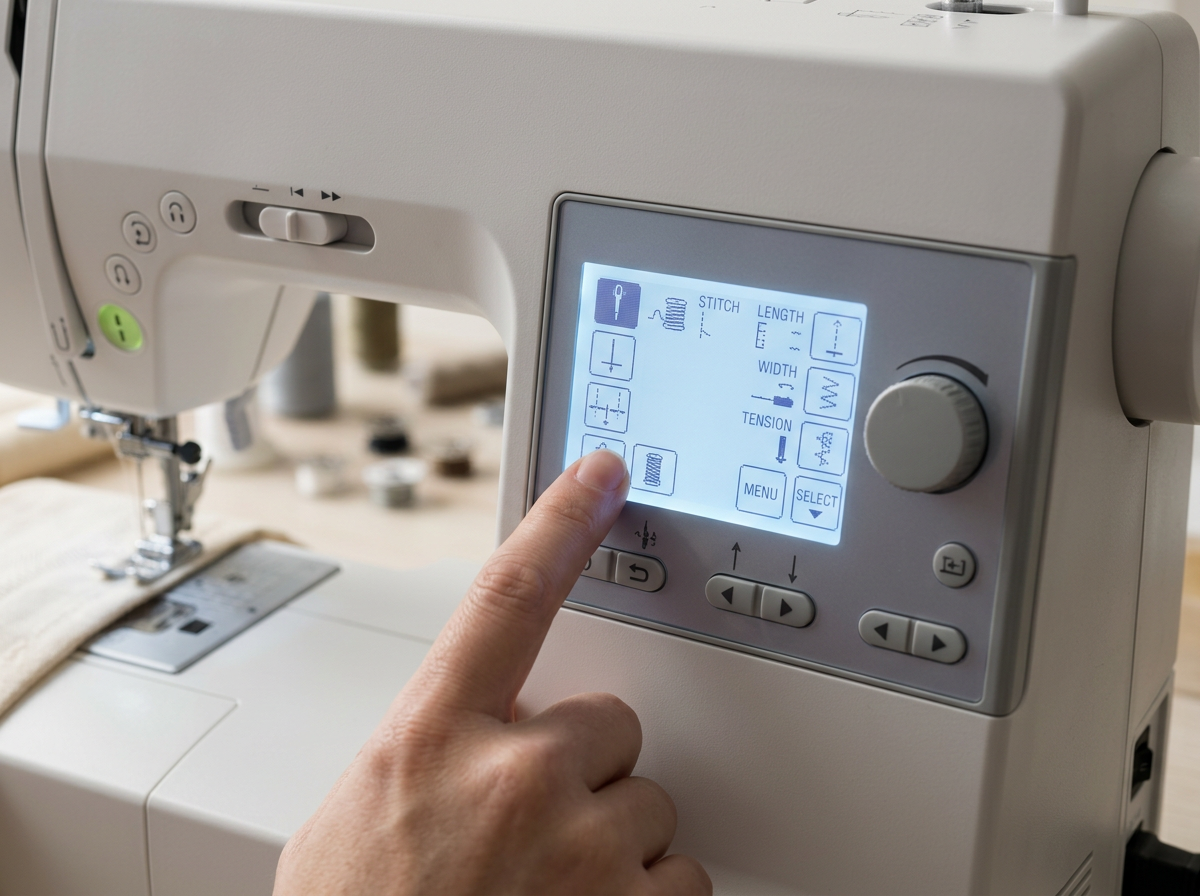
At its heart, a computerized machine like the CE-4000 boasts an electronic brain that manages stitch selection, length, and width, often displayed on an intuitive LCD screen. This digital control allows for a level of precision and consistency that mechanical machines often can’t match. Key aspects include variable speed control, which allows you to adjust the maximum sewing speed (the CE-4000 could reach up to 850 stitches per minute, or SPM), providing greater control over intricate details or faster work on long seams.
A free arm is another vital feature, especially for garment sewers. By removing a portion of the machine’s flatbed, it creates a narrow arm ideal for sewing cylindrical items like cuffs, sleeves, and pant legs. The ability to adjust stitch width and length, often up to 7mm width and 5mm length, offers immense flexibility for various fabrics and stitch types.
Modern machines also prioritize convenience. An automatic needle threader saves time and reduces eye strain, a feature highly praised by CE-4000 owners. A top-loading, drop-in bobbin system is another user-favorite, making bobbin changes quick and jam-resistant, often with a clear cover to monitor thread supply. Finally, a needle up-down function allows you to stop the needle in either the up or down position, which is incredibly useful for pivoting fabric, especially in quilting or when working on corners. These are the hallmarks of a machine designed to enhance the sewing experience.
Stitch Selection and Automation Capabilities
The Brother CE-4000 was well-regarded for its robust stitch library, offering 40 built-in stitches. This selection covers a wide array of sewing needs, from fundamental utility stitches for construction to decorative stitches for embellishment, and even specialized heirloom and quilting options. This versatility means the machine is well-suited for a broad spectrum of projects, from everyday clothing repairs and custom garments to intricate craft items and detailed quilts.
Among its automated features, the CE-4000 included 5 styles of one-step auto-size buttonholes. This automation simplifies what can often be a daunting task for many sewers, producing consistent and professional buttonholes with minimal effort. The machine’s capability for super wide (7mm) decorative stitches further expands creative possibilities, allowing for bolder embellishments.
Beyond the stitch count, the machine’s electronic controls allow for precise adjustment of stitch length and width. This fine-tuning is crucial for adapting stitches to different fabric types and project requirements. For instance, a longer stitch might be ideal for basting, while a shorter, wider stitch could be perfect for a satin finish. The automatic needle threader, a feature highlighted by many users, significantly streamlines the setup process, making it quicker to get started on a project. The LCD display provides clear visual feedback on the selected stitch, recommended presser foot, and current stitch settings, enhancing ease of use and reducing operator error. The machine also supports twin needle sewing, adding another layer of decorative and functional stitching capabilities.
Feed Dogs and Free-Motion Work
For quilters and those who enjoy creative fabric manipulation, the feed dog system is a critical component. The Brother CE-4000 features a drop feed mechanism, which is essential for free-motion quilting and darning. When the feed dogs are lowered, they no longer grip and move the fabric, allowing the user to freely maneuver the fabric in any direction under the needle. This capability is what enables intricate designs, stippling, and personalized patterns that are characteristic of free-motion quilting.
Effective free-motion work also often requires a darning foot, which hovers above the fabric, allowing for smooth movement while preventing the fabric from flagging (lifting with the needle). When the feed dogs are engaged, the machine utilizes a six-point feed dog system, ensuring smooth and consistent fabric feeding for straight stitching, even through multiple layers or varying fabric thicknesses. This reliable feed mechanism is vital for achieving even seams and preventing fabric distortion, whether you’re piecing quilt blocks or sewing garment seams.
Adjusting thread tension is also paramount when engaging in free-motion work, as the change in fabric movement can affect stitch quality. The CE-4000’s adjustable thread tension allows users to fine-tune settings to ensure balanced stitches on both the top and bottom of the fabric, crucial for a professional finish on projects like crazy quilting or detailed appliqué. The combination of a robust feed mechanism and the ability to drop the feed dogs makes the CE-4000 a versatile machine for both standard sewing and more specialized creative techniques.
Matching Accessories to Your Project Demands
A sewing machine is only as versatile as the accessories it can accommodate. The Brother CE-4000, like many computerized models, benefits from a range of compatible parts and optional accessories that expand its functionality. Understanding which accessories are essential and how they enhance your sewing experience is key to maximizing your machine’s potential.
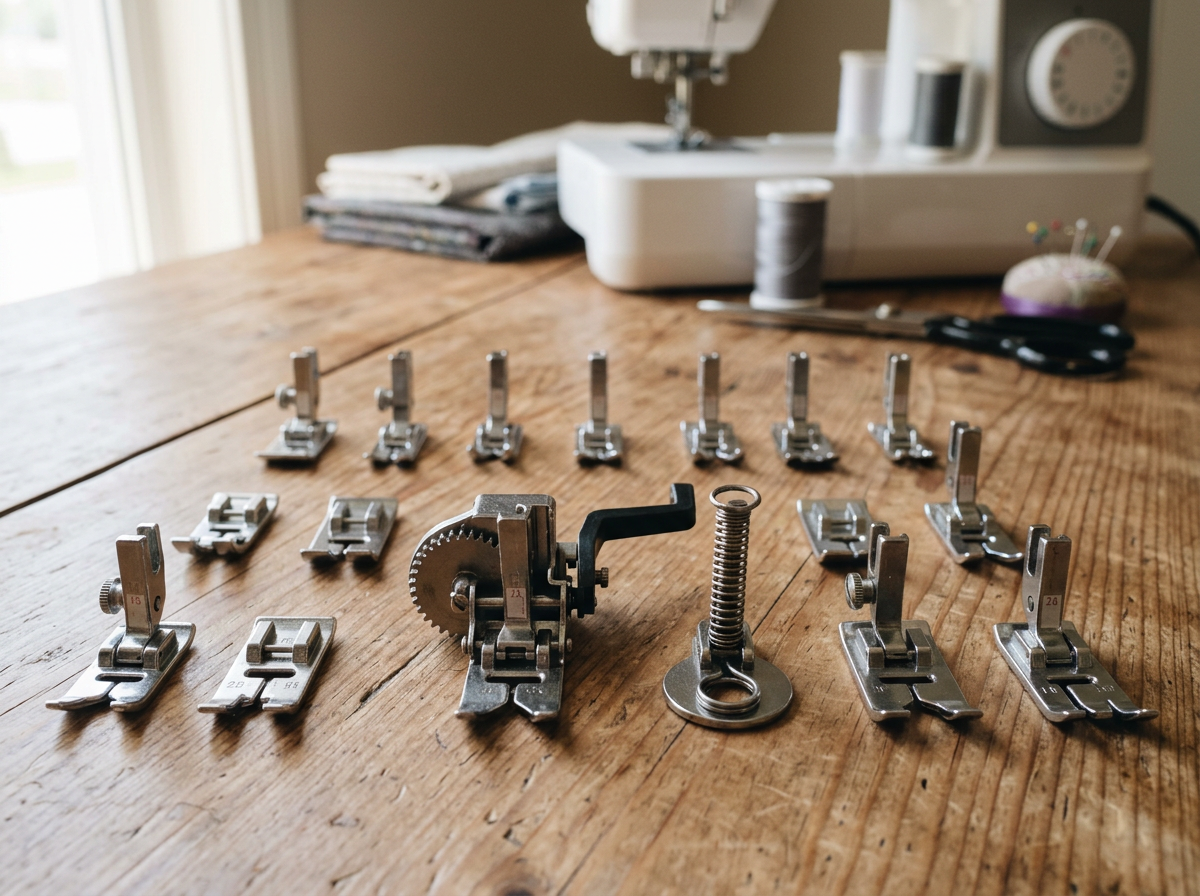
The machine typically comes with a standard set of snap-on presser feet, which are easy to attach and remove. Beyond these, optional accessories like a walking foot or a quilting foot are frequently recommended for specific tasks. For instance, the walking foot, with its upper feed dogs, helps feed multiple layers of fabric evenly, making it invaluable for quilting, matching plaids, or working with slippery fabrics.
Compatible parts also extend to bobbins and needles. The CE-4000 uses specific SA156 bobbins (or part code SA156/SFB XA5539-151), and using only these recommended bobbins is crucial for preventing thread jams and ensuring smooth operation. Needle sizing is another critical consideration; the machine supports common home sewing needles in sizes 75/11, 90/14, and 100/16, with the choice depending on fabric thickness. Thread compatibility is also important; using good quality thread will prevent breakage and ensure consistent stitch quality. The inclusion of a twin needle capability means you can also explore decorative twin-needle stitching with the right accessory. Quilting guides, often attachable to presser feet, help maintain consistent seam allowances or parallel quilting lines.
Presser Feet Options and Functions
Presser feet are the unsung heroes of sewing, each designed for a specific task to achieve professional results. The Brother CE-4000 typically includes a basic set of snap-on feet, which are quick and easy to interchange.
- Zigzag Foot (J): This is the general-purpose foot, used for most utility stitches, including straight stitch, zigzag, and decorative stitches. Its wide opening accommodates various stitch widths.
- Zipper Foot (I): Designed with notches on both sides, this foot allows you to sew very close to the zipper teeth, making zipper insertion neat and professional.
- Buttonhole Foot (A): This specialized foot works in conjunction with the machine’s one-step buttonhole function to create perfectly sized buttonholes automatically. It measures the button size and guides the machine through the buttonhole sequence.
- Blind Hem Foot: This foot features a guide that helps create an invisible hem stitch, ideal for garment finishing.
- Overcasting Foot (G): Used with an overcasting stitch, this foot helps to finish raw fabric edges, preventing fraying and giving a clean, professional look, similar to a serged edge.
Beyond these standard feet, optional foot attachments significantly expand the machine’s capabilities:
- Walking Foot: As mentioned, this foot has its own set of feed dogs on top, ensuring that the upper layer of fabric moves at the same rate as the lower layers. This is indispensable for quilting, sewing thick materials, or matching patterns.
- Darning/Free-Motion Foot: Often a spring-action foot, it allows for free movement of fabric when the feed dogs are lowered, enabling free-motion quilting, embroidery, or darning.
Each presser foot serves a unique purpose, and understanding their functions empowers you to tackle a wider range of projects with confidence and precision.
Bobbin Systems and Thread Tensioning
The bobbin system and thread tension are foundational to stitch quality. The Brother CE-4000 features a horizontal drop-in bobbin, a highly favored design for its ease of use and reliability. With this system, the bobbin simply drops into a compartment on the top of the machine, often under a clear cover, allowing you to easily monitor your lower thread supply. This design also tends to be less prone to jamming compared to older vertical bobbin systems.
Bobbin winding on the CE-4000 is also straightforward, with an automatic bobbin winder that quickly and evenly fills the bobbin. Correct bobbin placement is crucial; ensuring the thread unwinds in the correct direction (usually counter-clockwise) is vital for proper tension. Using only the machine’s recommended bobbins (SA156) is paramount, as incorrect bobbins can lead to thread nesting, skipped stitches, or even machine damage.
Thread tension, both upper and lower, is the balance between the top thread and the bobbin thread. The CE-4000 allows for easy adjustment of the top tension via a dial, while the lower tension is typically pre-set. Imbalanced tension can lead to various problems: if the upper tension is too tight, loops may appear on the bottom of the fabric; if too loose, loops will appear on the top. Conversely, issues with the lower thread (e.g., incorrect bobbin winding or placement) can also cause thread looping or jam prevention problems. Many user experiences highlight that understanding and correctly setting thread tension is key to resolving common stitch issues and achieving a perfectly balanced stitch. The clear bobbin cover helps in quickly identifying bobbin-related issues.
Machine Maintenance and Troubleshooting Essentials
Even the most reliable sewing machine, like the Brother CE-4000, requires regular maintenance to perform optimally. Understanding basic cleaning routines and common troubleshooting steps can prevent many frustrating interruptions and extend the life of your machine. While the CE-4000 is a discontinued model, the principles of its care remain relevant for any computerized sewing machine owner.
Routine Cleaning and Lubrication Myths
One of the most critical aspects of sewing machine maintenance is routine cleaning, particularly around the bobbin race and feed dogs. Lint and dust, especially from quilting fabrics, can accumulate rapidly, leading to skipped stitches, tension problems, or even complete jamming. The CE-4000 manual emphasizes the importance of regularly cleaning the bobbin case area with a small brush or a vacuum cleaner attachment. This simple step can prevent a host of issues.
Modern computerized machines like the CE-4000 are often designed as “oil-free,” meaning they do not require user lubrication. Attempting to oil these machines can actually cause damage, as internal components are often made of plastic or self-lubricating materials. Always consult your specific machine’s manual regarding lubrication.
Beyond the bobbin area, general casing cleaning with a soft cloth keeps the exterior looking good. Dust covers are highly recommended to protect the machine from airborne dust and lint when not in use. Regular needle replacement is also a form of maintenance; a dull or bent needle can damage fabric, skip stitches, or even break, potentially harming the needle plate. Adhering to these maintenance routines ensures smooth operation and preserves your machine’s performance.
Resolving Common Stitch and Threading Errors
Despite best efforts, occasional stitch and threading errors can occur. Many common issues with the Brother CE-4000, as detailed in its operation manual and user reviews, can be resolved with simple troubleshooting steps.
- Skipped Stitches: Often caused by a dull or incorrect needle for the fabric, improper threading, or incorrect thread tension. Always ensure the needle is new, appropriate for the fabric, and threaded correctly.
- Thread Bunching (Nesting): This usually happens underneath the fabric and is almost always a result of incorrect upper threading or improper bobbin placement. Re-thread the upper thread carefully, ensuring it’s seated correctly in all guides and tension disks. Double-check the bobbin to make sure it’s inserted with the thread unwinding in the correct direction.
- Needle Breakage: Can be caused by using the wrong needle size for the fabric, pulling or pushing fabric forcefully while sewing, or the needle hitting the presser foot or bobbin case. Ensure the correct needle is used, guide fabric gently, and check that the needle is fully inserted with the flat side facing the back.
- Tension Balance: If stitches are too loose or too tight, adjust the upper tension dial. The goal is for the top and bottom threads to meet perfectly within the fabric layers.
- Error E1: On the CE-4000, this error typically indicates that the reverse/reinforcement stitch button was pressed while the presser foot was raised. Simply lowering the presser foot lever resolves this. Other error codes (e.g., E6 for thread jam) are also detailed in the manual and usually require clearing the bobbin area.
- Fabric Puckering: Can result from incorrect thread tension, using too fine a needle for the fabric, or not using a stabilizer on delicate materials. Adjusting presser foot height (if available, though the CE-4000 does not have adjustable presser foot pressure) or using a walking foot can also help.
By systematically checking threading, needle condition, bobbin insertion, and tension settings, most common issues can be quickly diagnosed and corrected, allowing you to get back to your creative work.
Frequently Asked Questions About Sewing Equipment
How often should sewing needles be replaced during a project?
The lifespan of a sewing needle is often underestimated. While it might seem like a small component, a sharp, unbent needle is crucial for stitch quality and machine health. General guidance suggests replacing your sewing machine needle every 7 to 9 hours of actual sewing time. This might mean replacing it after every major project or even mid-project if you’re working on something extensive.
Over time, needles dull, bend, or develop burrs that can snag fabric, cause skipped stitches, or even lead to thread breakage. The type of fabric also plays a role; sewing through dense materials like denim, canvas, or multiple layers of quilting fabric will dull a needle faster than sewing through light cotton. Using the correct needle size and type for your fabric (e.g., a ballpoint needle for knits, a sharp needle for wovens) is also vital. Regularly changing your needle is a simple, inexpensive habit that significantly improves your sewing experience and the longevity of your machine.
What causes thread bunching underneath the fabric?
Thread bunching, often referred to as “nesting” or “bird’s nest,” underneath the fabric is one of the most common and frustrating issues for sewers. Despite appearances, the root cause is almost always related to the upper threading of the machine, not the bobbin.
Here’s why it happens: When the upper thread is not correctly seated in the tension disks or misses a thread guide, it doesn’t receive proper tension. As the needle goes down, the take-up lever pulls the thread, but without tension, too much slack is created. This excess thread then gets caught by the bobbin thread underneath the fabric, forming a tangled mess.
To troubleshoot this, always re-thread your machine from scratch, ensuring the presser foot lever is raised when threading the upper thread (this opens the tension disks). Double-check that the thread passes through every guide and is firmly seated in the take-up lever. While less common, improper bobbin placement or a poorly wound bobbin can also contribute, so it’s always good practice to check your bobbin and bobbin case after re-threading the top. A correctly threaded machine with balanced tension will lay down smooth, even stitches on both sides of the fabric.
Which presser foot is best suited for machine quilting?
For machine quilting, two specific presser feet are indispensable, depending on the technique you’re employing: the walking foot and the darning/free-motion foot.
- Walking Foot: This foot is best suited for piecing quilt blocks and for straight-line quilting. It features an upper set of feed dogs that work in conjunction with the machine’s lower feed dogs to evenly grip and move all layers of your quilt sandwich (top, batting, backing) simultaneously. This even feed prevents the layers from shifting against each other, minimizing puckering and ensuring perfectly aligned seams and straight quilting lines. It’s particularly useful for stitch-in-the-ditch quilting or sewing through thick layers.
- Darning/Free-Motion Foot: For free-motion quilting, where you guide the fabric in any direction to create custom designs, a darning or free-motion foot is essential. This foot hovers above the fabric, allowing you to move the quilt freely without the feed dogs engaged (which should be lowered for this technique). The design of this foot, often with an open toe or clear base, provides excellent visibility of your stitching area. It enables intricate stippling, loops, feathers, and other creative patterns.
While a standard straight stitch foot can be used for some basic quilting, the walking foot and darning foot are specifically engineered to handle the unique challenges of quilting, making them invaluable tools for any quilter.
Conclusion
Embarking on sewing and quilting projects is a rewarding journey, and the right equipment forms the bedrock of that experience. While the Brother CE-4000, a model that garnered significant praise in its time, is no longer available new (with its successor, the CS5055PRW, now taking its place), its legacy offers valuable lessons. It showcased how a computerized machine with a thoughtful blend of features—like its generous stitch variety, automated functions, and suitability for diverse fabrics—can empower crafters.
Our exploration has highlighted that successful project planning goes hand-in-hand with informed equipment choice. Understanding the nuances of stitch quality, the importance of complementary accessories like various presser feet, and the critical role of consistent machine maintenance, all contribute to a smoother, more enjoyable creative process. By embracing these principles, you not only enhance your creative confidence but also ensure that your equipment delivers long-term value, allowing you to focus on the artistry of every stitch.


