
Exploring Minimally Invasive Chronic Pain Treatments
This one falls outside my usual lane of kids, dogs, and recipes, but I like occasionally digging into topics that are more clinical than personal. Back and nerve pain is something almost everyone deals with eventually, whether it is from years of carrying kids around or just from getting older, and I think there is real value in understanding conditions like sciatica before you ever need to sit across from a specialist. Reading through how minimally invasive chronic pain treatments actually work gave me a much clearer picture of what options exist beyond just “rest and see.”
Understanding Sciatica and the Need for Minimally Invasive Chronic Pain Treatments
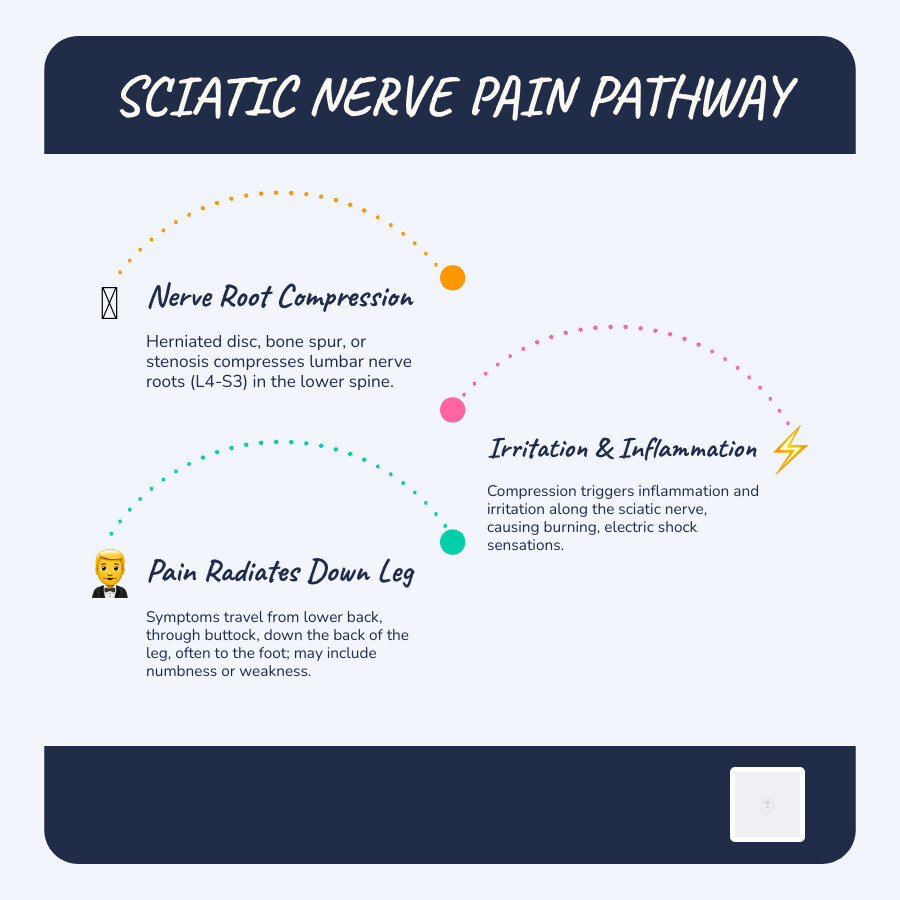
Sciatica is not a diagnosis in itself, but rather a descriptive term for symptoms arising from the irritation or compression of the sciatic nerve or its contributing nerve roots in the lower back. This condition is often referred to medically as lumbosacral radiculopathy, indicating that the pain originates from a nerve root in the lumbar or sacral region of the spine. The sciatic nerve, the longest and widest nerve in the human body, originates from nerve roots L4 through S3, extending from the lower back, through the buttocks, and down the back of each leg, branching out to supply sensation and motor function to various parts of the leg and foot.
When something impinges upon these nerve roots or the sciatic nerve itself, it creates a distinct pain pathway that can be incredibly debilitating. This nerve compression can lead to a cascade of symptoms that disrupt daily life, making simple activities like walking, sitting, or even sleeping a challenge. Understanding this intricate pathway is crucial for effectively diagnosing and treating the condition. For many, the prospect of managing chronic pain can be daunting, highlighting the growing need for effective, and often minimally invasive, treatment approaches that can alleviate symptoms and restore quality of life without extensive downtime.
What Does Sciatica Feel Like?
The experience of sciatica is highly individual, yet common themes emerge in patient descriptions. It’s often characterized by pain that originates in the lower back or buttock and radiates down the leg, following the path of the sciatic nerve. This pain can manifest in various ways:
- Burning Pain: Many describe a searing or hot sensation that travels down the leg, sometimes feeling like a persistent flame.
- Electric Shock: Sudden, sharp, jolt-like pains that shoot down the leg are also commonly reported, often triggered by specific movements like coughing, sneezing, or bending.
- Numbness: A loss of sensation, often described as a dead feeling, can occur in parts of the leg or foot. This can make walking feel unsteady or difficult.
- Tingling (Pins and Needles): This sensation, known as paresthesia, is like a swarm of tiny needles pricking the skin, particularly in the foot or calf.
- Muscle Weakness: In more severe cases, patients may experience weakness in the affected leg or foot, leading to difficulty lifting the foot (foot drop) or performing certain movements. This can make climbing stairs or even standing for long periods challenging.
Crucially, sciatica typically affects only one side of the body. While bilateral sciatica (affecting both legs) can occur, it is much rarer and often indicative of a more central spinal issue. The intensity can range from a mild, nagging ache to severe, incapacitating pain. The pain may worsen with prolonged sitting, standing, or certain movements, and sometimes even simple actions like straightening the leg can aggravate symptoms.
Identifying the Root Causes and Triggers of Sciatic Nerve Pain
Sciatica occurs when the sciatic nerve or its nerve roots are compressed, irritated, or inflamed. Several conditions can lead to this compression, with some being far more prevalent than others. Understanding these causes is fundamental to effective treatment.
- Herniated Discs: This is by far the most common cause of sciatica, accounting for up to 90% of cases. Intervertebral discs act as cushions between the vertebrae. If the soft inner material of a disc pushes through its tougher outer layer, it can press directly on a nerve root, leading to sciatic pain. People between the ages of 20 and 50 are most susceptible to herniated discs.
- Spinal Stenosis: This condition involves the narrowing of the spinal canal, which can put pressure on the spinal cord and nerve roots. It is more common in adults over 50, as it often develops due to age-related wear and tear.
- Degenerative Disc Disease (DDD): As we age, our spinal discs naturally lose hydration and elasticity, becoming more prone to wear and tear. This degeneration can lead to disc bulging, herniation, or the formation of bone spurs, all of which can irritate nerve roots. DDD is most common in adults 50 years and older.
- Spondylolisthesis: This occurs when one vertebra slips forward over another, potentially pinching the nerve roots as they exit the spinal canal.
- Pregnancy: The weight of the growing uterus, changes in posture, and hormonal shifts that loosen ligaments can all put pressure on the sciatic nerve, leading to sciatica during pregnancy. This type of sciatica often resolves after childbirth.
- Prolonged Sitting: Occupations that involve extended periods of sitting, especially with poor posture, can increase pressure on the lower back and sciatic nerve, contributing to flare-ups.
- Heavy Lifting and Physical Work: Improper lifting techniques or jobs requiring frequent heavy lifting can strain the back and increase the risk of disc herniation or other spinal injuries that lead to sciatica.
- Other Causes: Less common causes include bone spurs (osteophytes) that develop as people age, tumors, infections, or direct trauma to the spine. Piriformis syndrome, where the piriformis muscle in the buttock spasms and irritates the sciatic nerve, is also a notable cause, though it’s often considered a “sciatica-like” condition rather than true radiculopathy.
Diagnosing Sciatica vs. Other Conditions
Accurately diagnosing sciatica involves a thorough clinical evaluation, which typically includes a detailed medical history and a comprehensive physical examination. During the physical exam, a doctor will assess your reflexes, muscle strength, and sensation. A key diagnostic maneuver is the straight leg raise test, where you lie on your back and the doctor slowly raises your affected leg. If this movement reproduces or worsens your sciatic pain, it strongly suggests nerve root compression.
While a clinical diagnosis is often sufficient, imaging studies may be indicated, especially if symptoms are severe, persistent, or if “red flag” symptoms (discussed later) are present. Magnetic Resonance Imaging (MRI) is generally the preferred imaging modality as it provides detailed images of soft tissues like discs and nerves, allowing doctors to identify herniated discs, spinal stenosis, or other structural issues compressing the nerve.
However, imaging findings don’t always correlate perfectly with symptoms. Many individuals without sciatica may have disc bulges or other abnormalities on an MRI, and conversely, some with clear sciatic symptoms may have normal imaging results. This highlights the importance of a holistic approach to diagnosis.
Feature Sciatica (Radiculopathy) Muscle Strain (Lumbar) Hip Arthritis (Osteoarthritis) Pain Location Low back/buttock radiating down one leg (below knee) Localized to lower back, buttock, or upper thigh Groin, outer thigh, buttock, sometimes knee Pain Quality Burning, shooting, electric shock, tingling, numbness Dull ache, sharp with movement, muscle spasm Deep, aching, stiffness, grinding sensation Aggravating Factors Sitting, coughing, sneezing, bending, straight leg raise Movement, lifting, twisting, palpation of affected muscle Weight-bearing, walking, getting up from sitting, cold Relieving Factors Changing position, lying down, walking (sometimes) Rest, heat/ice, gentle stretching Rest (initially), gentle movement (improves stiffness) Associated Symptoms Numbness, tingling, weakness in leg/foot, foot drop Tenderness, stiffness, limited range of motion Stiffness (especially morning), limited hip movement Neurological Signs Present (altered reflexes, sensation, strength) Absent Absent Differential Diagnosis: Is It Sciatica or Something Else?
Because leg pain can stem from various sources, distinguishing sciatica from other conditions is crucial for appropriate treatment.
- Muscle Strain: Unlike sciatica, which follows a nerve pathway, muscle strains typically cause localized pain in the lower back, buttocks, or upper thigh. The pain is usually a dull ache that worsens with specific movements or palpation of the affected muscle. There are no neurological symptoms like numbness or tingling radiating down the leg.
- Hip Arthritis: Hip pain, particularly osteoarthritis, often presents as a deep ache in the groin, outer thigh, or buttock. It usually worsens with activity and improves with rest, and is often accompanied by stiffness and a reduced range of motion in the hip joint. While hip pain can sometimes radiate to the knee, it generally doesn’t follow the distinct nerve pathway down the back of the leg like sciatica, nor does it cause neurological symptoms.
- Neuropathy: Peripheral neuropathy, often associated with conditions like diabetes, can cause burning, tingling, and numbness in the feet and lower legs. However, this sensation is typically symmetrical (affecting both sides) and doesn’t usually originate from the lower back. The pain is more diffuse and less often described as shooting or electric shock-like.
- Piriformis Syndrome: This condition mimics sciatica very closely. The piriformis muscle, located deep in the buttock, can spasm or become tight, compressing the sciatic nerve as it passes through or under it. The pain is usually localized to the buttock and upper thigh, but can radiate down the leg. Unlike true radiculopathy, piriformis syndrome doesn’t involve nerve root compression in the spine. Specific diagnostic maneuvers, such as the Freiberg test (internal rotation of the hip with the hip and knee flexed) and the FAIR maneuver (flexion, adduction, and internal rotation of the hip), can help differentiate it from spinal sciatica.
When to Seek Medical Evaluation and Diagnostic Testing
While many cases of sciatica resolve with conservative care, it’s important to know when to seek professional medical attention. You should consult a doctor if:
- Pain is severe or worsening: If self-care measures haven’t helped after a few days, or if the pain is significantly impacting your daily activities, it’s time to see a healthcare provider.
- Symptoms persist: If your sciatica symptoms last longer than a week or two, a medical evaluation can help identify the underlying cause and guide treatment.
- Neurological deficits are present: Any signs of progressive muscle weakness, numbness, or difficulty moving your foot (foot drop) warrant prompt medical attention.
- “Red Flag” Symptoms: These indicate a potentially serious condition requiring immediate medical evaluation. They include:
- Sudden, severe pain after a violent injury or trauma.
- Loss of bowel or bladder control (cauda equina syndrome).
- Progressive weakness or numbness in the legs.
- Saddle anesthesia (numbness in the groin, buttocks, and inner thighs).
- Unexplained weight loss, fever, or night sweats (suggesting infection or tumor).
Diagnostic testing, such as MRI, X-rays, or CT scans, is usually reserved for cases where symptoms are persistent, severe, or if red flag symptoms are present. Electrodiagnostic tests, like electromyography (EMG) and nerve conduction studies (NCS), can help confirm nerve compression, assess the severity of nerve damage, and rule out other neuropathies. A specialist consultation, such as with an orthopedic surgeon, neurologist, or pain management physician, may be recommended for complex cases or when considering advanced treatment options.
Minimally Invasive Chronic Pain Treatments for Sciatica Relief
For many individuals suffering from sciatica, relief can be found through a combination of conservative care and, when necessary, interventional pain management techniques. By utilizing evidence-based chronic pain management, the goal of these treatments is not only to alleviate pain but also to address the underlying cause, improve function, and accelerate recovery. We focus on approaches that minimize invasiveness, allowing patients to achieve significant pain reduction with less downtime compared to traditional open surgeries. These strategies are designed to improve patient outcomes and enhance their overall quality of life.
Epidural Steroid Injections and Nerve Blocks
When conservative treatments like physical therapy and medication don’t provide sufficient relief, epidural steroid injections (ESIs) are a common and effective minimally invasive option. These injections deliver a potent anti-inflammatory corticosteroid directly into the epidural space—the area surrounding the spinal cord and nerve roots.
- Corticosteroid Shots: The steroid medication reduces inflammation around the compressed nerve root, which is often the primary source of sciatic pain. By calming the inflamed nerve, ESIs can provide targeted relief, reducing pain, numbness, and tingling.
- Targeted Relief: Imaging guidance, such as fluoroscopy (real-time X-ray), is typically used to ensure precise placement of the medication, maximizing its effectiveness and minimizing risks.
- Nerve Blocks: Similar to ESIs, nerve blocks involve injecting an anesthetic and sometimes a steroid near a specific nerve or nerve root. These blocks can both diagnose the source of pain and provide therapeutic relief by interrupting pain signals.
- Outpatient Procedures: Both ESIs and nerve blocks are typically performed as outpatient procedures, meaning patients can return home the same day. While not a permanent cure, they can provide significant pain relief for weeks to months, creating a window of opportunity for physical therapy and rehabilitation to strengthen the back and prevent future flare-ups. Generally, no more than three corticosteroid injections are administered within a year.
Advanced Minimally Invasive Chronic Pain Treatments and Surgical Options
For a smaller percentage of patients whose sciatica does not respond to conservative care or injections, or who present with severe neurological deficits, advanced minimally invasive procedures or surgical interventions may be considered.
- Microdiscectomy: This is one of the most common surgical procedures for sciatica caused by a herniated disc. It involves removing the portion of the herniated disc that is compressing the nerve root. Performed through a small incision using a microscope or endoscope, it is considered minimally invasive and typically results in rapid pain relief and recovery.
- Laminectomy: In cases of severe spinal stenosis, a laminectomy may be performed. This procedure involves removing a part of the vertebral bone (lamina) to create more space for the spinal cord and nerve roots, relieving pressure.
- Minimally Invasive Spine Surgery (MISS): Advances in surgical techniques have led to a variety of MISS options that use smaller incisions, specialized instruments, and imaging guidance. These techniques aim to reduce muscle damage, blood loss, and recovery time compared to traditional open surgeries.
- Cauda Equina Syndrome: This is a rare but severe complication of nerve root compression that requires immediate surgical intervention. Symptoms include loss of bowel or bladder control, progressive weakness in both legs, and saddle anesthesia. Delay in treatment can lead to permanent nerve damage.
- Surgical Indications: Surgery is generally considered only when conservative treatments have failed after several months, when there’s significant or progressive neurological deficit (like severe weakness or foot drop), or in emergency situations like cauda equina syndrome. While many people with disc-related sciatica improve substantially within about 6 to 12 weeks of non-surgical treatment, surgery can be highly effective for carefully selected patients. After about a year or two, people treated with and without surgery often have a similar degree of recovery, but surgery can provide faster relief for severe cases.
Conservative Care and Home Management Strategies
For the vast majority of sciatica sufferers, conservative care and consistent home management strategies are the cornerstone of recovery. These approaches emphasize active recovery and lifestyle adjustments rather than prolonged rest, which can often worsen symptoms. The goal is to reduce pain, improve function, and prevent recurrence through sustainable habits.
Stretches, Posture, and Lifestyle Modifications
- Core Strengthening: A strong core provides crucial support for the spine, reducing strain on the lower back. Exercises like pelvic tilts, abdominal curls, and gentle planks can help build core strength.
- Hamstring Stretches: Tight hamstrings can pull on the pelvis and lower back, exacerbating sciatic pain. Gentle hamstring stretches, performed regularly, can improve flexibility and alleviate tension.
- Heat and Ice Therapy: Alternating between cold packs (for the first 24-72 hours to reduce inflammation) and heat packs (to relax muscles and increase blood flow) can provide significant pain relief. Apply for about 20 minutes at a time.
- Ergonomic Posture: Maintaining good posture is vital, especially when sitting or standing for extended periods.
- Sitting: Choose chairs with good lower back support. Keep your knees and hips level, with your feet flat on the floor. A rolled towel or small pillow placed in the small of your back can help maintain the natural curve of your spine. Take frequent breaks to stand and move around.
- Standing: When standing for long periods, rest one foot on a stool to reduce pressure on your lower back.
- Lifting: Always lift objects by bending at your knees and hips, keeping your back straight. Hold loads close to your body and avoid twisting while lifting.
- Avoiding Prolonged Bed Rest: While short periods of rest (1-2 days) might be helpful during an acute flare-up, too much rest can weaken muscles and stiffen the spine, prolonging recovery. Gentle movement and low-impact activities like walking, swimming, or yoga are encouraged as soon as pain allows.
- Weight Management: Maintaining a healthy weight reduces the overall strain on your spine, which can alleviate pressure on the sciatic nerve.
- Tobacco Avoidance: Nicotine reduces blood flow to spinal tissues and can impede healing, increasing the risk of chronic pain.
Recovery Timelines and Prognosis
The good news is that the prognosis for sciatica is generally favorable. Many cases of sciatica resolve naturally with conservative care.
- Six-Week Recovery: Most people with sciatica feel significantly better within six weeks. Studies show that many individuals with disc-related sciatica improve substantially within about 6 to 12 weeks of non-surgical treatment.
- Natural Resolution: A significant percentage of cases, especially those caused by a herniated disc, improve within four to six weeks without medical treatment. In some cohorts, more than 70% of patients report significant pain reduction within a few months.
- Chronic Sciatica: While most cases are acute and resolve, some individuals may experience chronic sciatica, where pain persists for more than three months. Factors like poor body mechanics, psychological depression, or certain occupational mechanics can contribute to chronic pain.
- Long-Term Outlook: Even in more severe cases, recovery is often excellent. Focusing on consistent physical therapy, maintaining good posture, and making lifestyle modifications can greatly reduce the risk of recurrence and improve the long-term outlook.
Frequently Asked Questions about Sciatica and Pain Management
Navigating sciatica can bring up many questions. Here, we address some of the most common concerns to provide clarity and guidance.
What are the red flag symptoms of severe sciatica?
While most sciatica cases are not emergencies, certain “red flag” symptoms indicate a serious underlying condition, often cauda equina syndrome, which requires immediate medical attention. These include:
- Loss of bowel or bladder control: This is a critical symptom, suggesting compression of the nerves that control these functions.
- Progressive leg weakness: If you experience rapidly worsening weakness in one or both legs, making it difficult to walk or lift your foot.
- Saddle anesthesia: Numbness in the groin, buttocks, and inner thighs, resembling the area that would touch a saddle.
- Severe or worsening pain accompanied by fever, chills, or unexplained weight loss: These can be signs of infection or other serious conditions.
If you experience any of these symptoms, seek emergency medical care immediately.
How long does a typical sciatica flare-up last?
The duration of a sciatica flare-up can vary widely. For most individuals, acute sciatica symptoms, often triggered by a specific event or movement, tend to improve within four to six weeks with conservative treatment and self-care. Many cases resolve completely within this timeframe.
However, some people may experience persistent pain for longer periods. If pain lasts longer than six to 12 weeks, it is often referred to as subacute or chronic sciatica, and a follow-up visit with a healthcare professional is recommended to reassess the condition and explore further treatment options. Consistent adherence to physical therapy and lifestyle modifications is key to preventing recurrence and managing long-term symptoms.
Can sciatica affect both legs simultaneously?
While sciatica is classically described as affecting only one leg (unilateral), it is possible, though less common, for symptoms to occur in both legs simultaneously. This is known as bilateral sciatica.
Bilateral sciatica often suggests a more central cause of nerve compression in the spine, such as a large central disc herniation that presses on nerve roots on both sides, or severe spinal canal stenosis that narrows the entire spinal canal. When symptoms affect both legs, especially if accompanied by any red flag symptoms like bowel or bladder dysfunction, it warrants prompt medical evaluation to rule out serious conditions like cauda equina syndrome.
Conclusion
Sciatica, with its distinctive radiating pain, numbness, and tingling, can be a profoundly disruptive condition. However, understanding what it feels like, its common causes, and the array of available treatments empowers individuals to seek appropriate care and manage their symptoms effectively. From conservative home strategies like targeted stretches and posture adjustments to advanced minimally invasive chronic pain treatments such as epidural steroid injections and microdiscectomy, there are numerous pathways to relief.
We encourage a proactive approach to managing sciatica. This includes recognizing when self-care is sufficient and when it’s time to consult a specialist. Early intervention, especially for persistent or severe symptoms, can significantly improve outcomes and prevent the condition from becoming chronic. Our team is dedicated to providing comprehensive, patient-centered care, guiding you through diagnosis and tailoring a treatment plan that suits your unique needs. We accept most insurance plans. Check with our office manager to see if your plan is accepted. By working together, we can help you regain comfort, mobility, and an improved quality of life, allowing you to return to the activities you enjoy.


