
Enhancing Outdoor Spaces and Home Comfort
Designing Custom Pools for Modern Outdoor Living Spaces
Our backyards are more than just open spaces. They are extensions of our homes and vital parts of our daily lives. A custom backyard pool can transform this area into a personal haven. It becomes a place for relaxation, family fun, and entertaining friends.
Designing a custom pool is about more than just digging a hole. It’s about creating an outdoor experience that fits your unique lifestyle and enhances your home’s comfort. This thoughtful investment also adds significant value to your property.
We will guide you through the exciting world of custom backyard pool designs. We will explore various shapes, popular features, and essential materials. We will also cover how to plan for different spaces and integrate your pool seamlessly with your outdoor living areas. For a closer look at innovative design possibilities and inspiration, resources like those found on Clear Tech Better Custom Pool Designs can be incredibly helpful. Join us as we uncover how to turn your backyard dreams into a stunning reality.
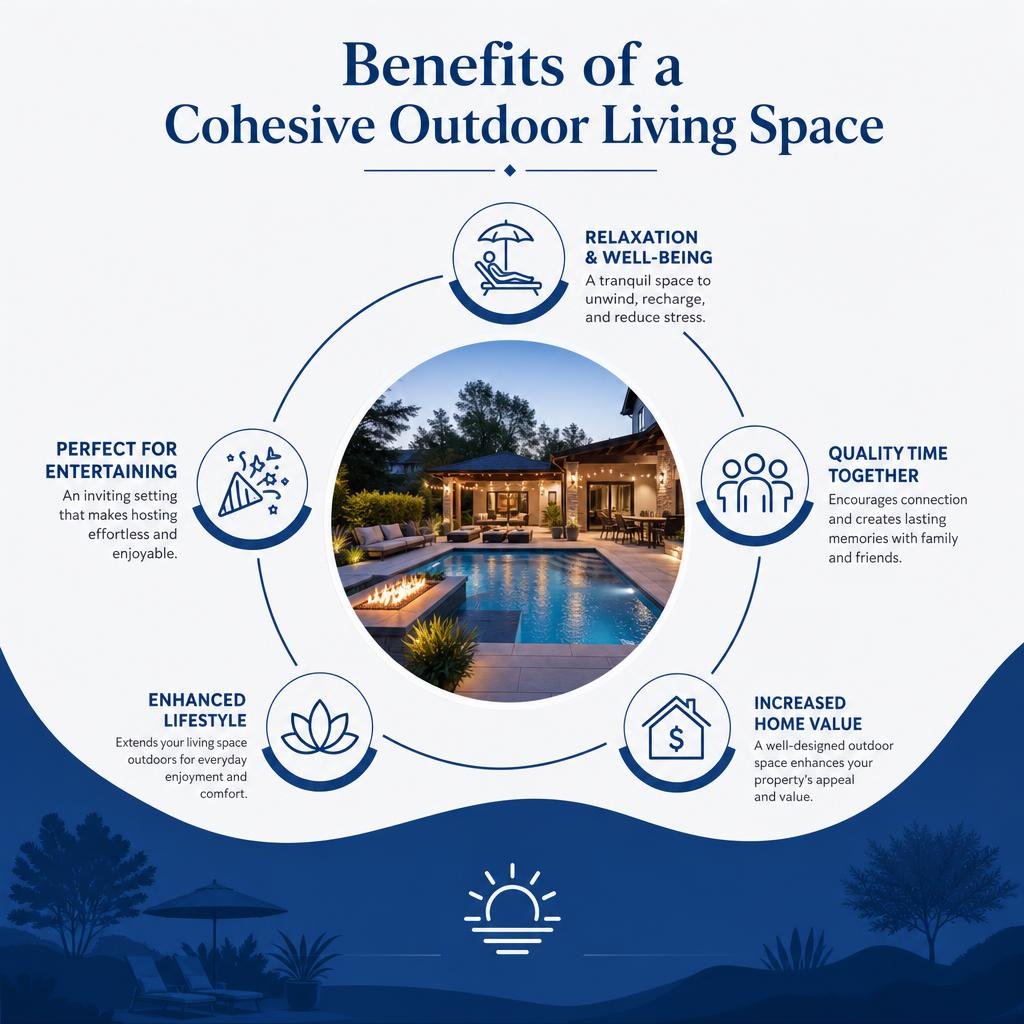
Custom backyard pools offer unparalleled opportunities to personalize your outdoor environment, creating a space that perfectly reflects your aesthetic preferences and functional needs. Unlike pre-designed options, a custom pool allows for intricate details and unique integrations that truly make it your own. We see homeowners increasingly opting for designs that blend seamlessly with their home’s architecture and the surrounding landscape, turning a simple backyard into a cohesive outdoor living space.
The foundation of any custom pool design lies in its shape and construction. Geometric pools, with their clean lines and symmetrical forms, are often favored for modern and contemporary homes. These designs, including rectangles, squares, and L-shapes, offer excellent versatility, making them suitable for lap swimming and often fitting well into smaller or more structured backyards. On the other hand, freeform pools, characterized by their organic, flowing curves, evoke a more natural, lagoon-like aesthetic. They are ideal for creating a resort-inspired feel and can adapt beautifully to irregularly shaped lots or naturalistic landscaping.
When it comes to construction, gunite pools stand out for their exceptional design flexibility. This method involves spraying a concrete mixture over a rebar framework, allowing for virtually any shape, size, and depth. Gunite offers superior durability and a customizable finish, making it a popular choice for truly unique designs. Fiberglass pools, while offering less shape customization, provide a smooth, non-porous surface that is quick to install and often requires less maintenance. Many custom designs also incorporate advanced features to enhance the swimming experience. Saltwater systems offer a gentler alternative to traditional chlorine, while smart technology allows for remote control of lighting, heating, and filtration. Popular aesthetic and functional additions include integrated spas and hot tubs, cascading waterfalls, elegant deck jets, and spacious sun shelves (also known as tanning ledges). Fire elements like fire bowls or fire pits can add dramatic ambiance, especially for evening entertaining.
Maximizing Small Outdoor Living Spaces
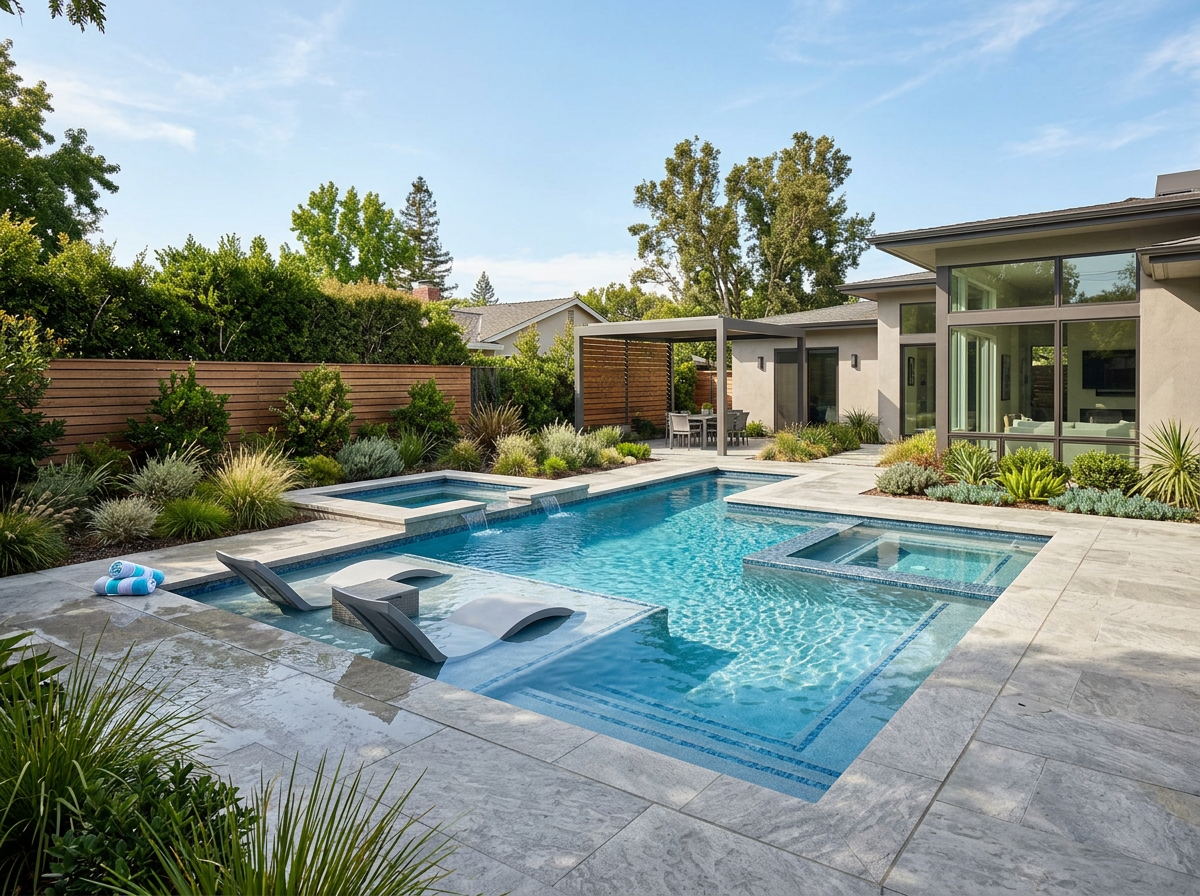
Even a compact backyard can be transformed into a stunning aquatic retreat with thoughtful custom design. For space-constrained lots, we often recommend plunge pools, which are smaller, deeper pools perfect for cooling off, hydrotherapy, or a quick dip. Their reduced footprint allows for more surrounding hardscaping and landscaping, creating a multi-functional outdoor living area.
Strategic design is key for small spaces. This might involve incorporating built-in benches, using vertical elements like living walls, or choosing compact, multi-purpose furniture. Strategic lighting can dramatically expand the perceived size of the space, while boundary landscaping, such as tall, slender plants or privacy screens, can create a sense of seclusion without overwhelming the area. The goal is to create an intentional, inviting space where every element serves a purpose and contributes to the overall aesthetic.
Material Selection for Durable Outdoor Living Spaces
The choice of materials for your pool deck, coping, and interior finish plays a crucial role in both the aesthetics and longevity of your custom pool. These selections contribute significantly to the pool’s character, safety, and maintenance requirements.
For pool decks, we prioritize materials that are not only visually appealing but also offer excellent slip resistance and stay cool underfoot, especially in warmer climates. Options like limestone pavers and travertine are highly sought after for their elegant appearance and low heat absorption. Concrete, whether poured, stamped, or in paver form, offers versatility and durability, with various finishes available to match any design style.
Coping, the material that caps the edge of the pool, serves both a functional and aesthetic purpose. It provides a finished edge, helps prevent water from flowing behind the shell, and offers a safe, non-slip surface for swimmers to hold onto. Common coping materials include natural stone (like travertine or limestone), concrete, and brick, chosen to complement the deck and pool interior.
For the pool’s interior, pebble finishes are a popular choice, offering a natural, textured look and exceptional durability. These finishes can create stunning water colors, from deep blues to vibrant greens, depending on the pebble blend. Tile is another option, particularly for waterline accents or full interior surfaces, allowing for intricate patterns and a luxurious feel.
Here’s a comparison of common pool decking materials:
Material Slip Resistance (Wet) Heat Absorption Longevity & Maintenance Aesthetic Appeal Travertine Pavers Excellent Low High; requires periodic sealing for stain protection Natural, elegant, porous texture, wide color range Limestone Pavers Good Low High; requires periodic sealing, susceptible to acids Sophisticated, light and earthy tones, smooth finish Poured Concrete Good (can be textured) Moderate Very High; low maintenance, can crack if not installed well Versatile, can be stamped, stained, or broom-finished Concrete Pavers Good Moderate High; low maintenance, interlocking system adds stability Wide array of colors, shapes, and patterns, durable Wood/Composite Decking Moderate Low Varies (wood high, composite low); requires regular cleaning Natural warmth (wood), modern look (composite), splinter-free (composite) The 7-Step Process to Building Your Custom Backyard Retreat
Embarking on the journey of building a custom backyard pool is an exciting endeavor that transforms your outdoor living space into a personal oasis. This process, while complex, is meticulously managed by experienced professionals to ensure a seamless transition from concept to completion. We guide our clients through each stage, ensuring their vision is brought to life with precision and care.
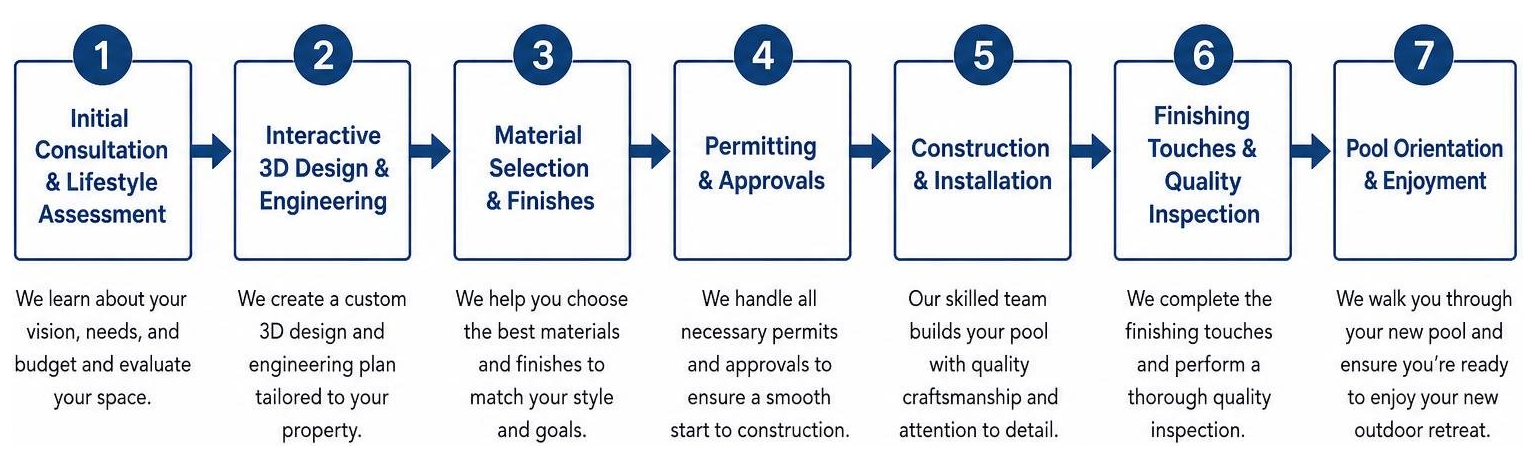
Step 1: Initial Consultation and Lifestyle Assessment
The first step is a crucial conversation where we delve into your aspirations, lifestyle, and how you envision using your new outdoor space. This initial consultation helps us understand your family’s needs, entertainment preferences, and aesthetic desires. We discuss potential features, design styles, and establish a preliminary budget. A thorough site evaluation is also conducted to assess the unique characteristics of your backyard, including topography, existing landscaping, and potential challenges. Choosing a custom pool builder at this stage is vital, as their expertise will shape the entire project to your specific requirements.
Step 2: Interactive 3D Design and Engineering
Once we have a clear understanding of your vision, our designers translate these ideas into a tangible plan. Utilizing advanced software, we create interactive 3D renderings of your proposed pool and surrounding outdoor living areas. This allows you to visualize the layout, spatial flow, and how the pool will integrate with your home’s architecture and existing landscape. We can experiment with various custom features, such as water elements, lighting, and integrated spas, making adjustments based on your feedback until the design perfectly aligns with your expectations. This engineering phase ensures structural integrity and optimal functionality.
Step 3: Permitting, Approvals, and Site Preparation
Before any physical work begins, we handle all necessary permitting and secure approvals from local authorities. This includes navigating zoning regulations, safety codes, and environmental considerations. Once permits are in place, site preparation commences. This typically involves marking the pool’s layout, carefully removing any existing structures or landscaping, and ensuring all underground utilities are precisely located and protected. The excavation process then begins, meticulously shaping the earth to the exact specifications of your custom pool design.
Step 4: Structural Steel Rebar and Gunite Application
This stage is the backbone of your custom pool’s durability. A robust framework of steel rebar is meticulously installed, forming the skeleton of the pool shell. This rebar cage provides the necessary structural integrity to withstand ground pressures and ensure the pool’s longevity. Following this, the gunite (a dry concrete mix) is pneumatically applied over the rebar. This high-strength concrete is precisely shaped and sculpted by skilled craftsmen, creating a monolithic, incredibly strong, and completely customizable pool shell. This precision engineering ensures your pool is built to last.
Step 5: Coping, Waterline Tile, and Decking Installation
With the pool shell in place, we move on to the aesthetic detailing that truly defines your pool’s character. The coping, which forms the cap around the pool’s edge, is installed, providing a finished look and a safe, non-slip surface. Simultaneously, the waterline tile is meticulously laid, adding a decorative band that enhances the pool’s visual appeal and protects the interior finish at the water’s surface. Finally, the decking material, chosen in Step 1, is installed. This hardscape integration seamlessly connects your pool to the rest of your outdoor living space, creating cohesive and functional pathways and lounging areas. Proper drainage systems are also integrated at this stage.
Step 6: Interior Finish Application and Pool Filling
This step brings your pool to life with its final interior surface. Whether you’ve chosen a pebble plaster, aggregate finish, or full tile, the material is expertly applied to the pool shell. The choice of interior finish significantly influences the perceived water color, as different textures and hues interact with sunlight and water depth. After the finish is applied, the pool is carefully filled with water. This hydration process is crucial for the curing of the interior finish. Following the fill, our technicians perform the initial chemical balancing of the water and start up all essential equipment, including pumps, filters, and heaters, ensuring everything is operating perfectly.
Step 7: Final Walkthrough and Caregiver Handover
The culmination of the custom pool building process is the final walkthrough. We invite you to inspect every detail of your new backyard retreat, ensuring it meets and exceeds your expectations. During this comprehensive inspection, our team provides a thorough orientation on all pool systems, equipment operation, and essential maintenance procedures. We discuss ongoing care, offer maintenance scheduling advice, and answer any questions you may have. This caregiver handover ensures you are fully equipped to enjoy your new custom pool with confidence and peace of mind for years to come.


