
Comprehensive Solutions for Plumbing and Indoor Air Quality
Between the restaurant kitchen and our own home, I have dealt with more plumbing surprises over the years than I ever expected to when I started blogging, and I had no idea for a long time just how much a dry P-trap or a hidden leak could actually affect the air inside a house, not just the water bill. With four kids, five dogs, and thirty chickens keeping our home humid and busy in ways most families probably do not experience, staying ahead of moisture and mold has become a real priority for us, and this piece connects a few dots I genuinely had not put together before.
How Plumbing Systems Directly Impact Indoor Air Quality
While we often associate indoor air quality (IAQ) with HVAC systems, our home’s plumbing plays a surprisingly significant role. Issues beneath sinks, behind walls, or within our water heating systems can introduce pollutants, odors, and even harmful gases into our living spaces. Understanding these connections is crucial for maintaining a healthy and comfortable home environment.
Problems like leaky pipes, dry P-traps, or sewer line cracks can lead to a host of IAQ concerns. Water leaks, even minor ones, create damp conditions conducive to mold and mildew growth. These fungi release spores and volatile organic compounds (VOCs) into the air, which can trigger allergies, asthma, and other respiratory issues. Similarly, a dry P-trap, which is designed to hold water and block sewer gases, can allow unpleasant and potentially hazardous sewer odors to enter your home. These gases can include hydrogen sulfide, ammonia, and methane, contributing to poor air quality and health risks. Regular drain maintenance and prompt attention to leaks are essential for preventing these issues.
Preventing Sewer Gas Intrusion and Mold
Effective plumbing maintenance is the first line of defense against poor indoor air quality stemming from your water systems. Ensuring that all drain traps, particularly those in infrequently used sinks or floor drains, remain filled with water is vital to block sewer gas intrusion. If you notice persistent foul odors, it could indicate a dry P-trap or, more seriously, a crack in your sewer line, which requires immediate professional attention.
Beyond sewer gases, managing humidity is paramount. Plumbing leaks, whether from a faulty faucet or a hidden pipe burst, can significantly increase indoor humidity, creating an ideal breeding ground for mold and mildew. Promptly addressing any leaks, ensuring proper ventilation in bathrooms and kitchens, and maintaining overall humidity control can drastically reduce the risk of mold growth. For a deeper dive into how various home systems contribute to your living environment, exploring resources focused on overall home health and Indoor Air Quality can provide valuable insights.
The Role of Water Heaters in Home Air Health
Traditional tank-style water heaters, especially gas-fired models, rely on combustion to heat water. This process naturally produces combustion gases, including carbon monoxide, which must be safely vented out of the home. A properly installed and maintained venting system is critical to prevent these harmful gases from accumulating indoors. Issues like blockages, leaks, or improper installation can lead to dangerous carbon monoxide levels, posing a serious health risk to occupants.
Modern tankless water heaters and electric heat pump water heaters generally offer improved safety in this regard. Electric models eliminate combustion entirely, removing the risk of combustion gases. Tankless gas models still require venting, but their design often allows for more efficient and safer exhaust. Regardless of the type, regular inspections of your water heater’s venting system by a qualified professional are essential to ensure proper operation and carbon monoxide safety, contributing to a healthier indoor air environment.
Maximizing Energy Efficiency and Indoor Air Quality with Modern Upgrades
Upgrading to modern, energy-efficient plumbing and HVAC systems not only reduces utility bills but also significantly enhances indoor air quality. Heat pump technology, in particular, offers a dual benefit by providing efficient heating and cooling while also contributing to better air management within the home. When considering such upgrades, it’s also important to think about the entire building envelope and how ventilation systems integrate to create a truly healthy and efficient living space.
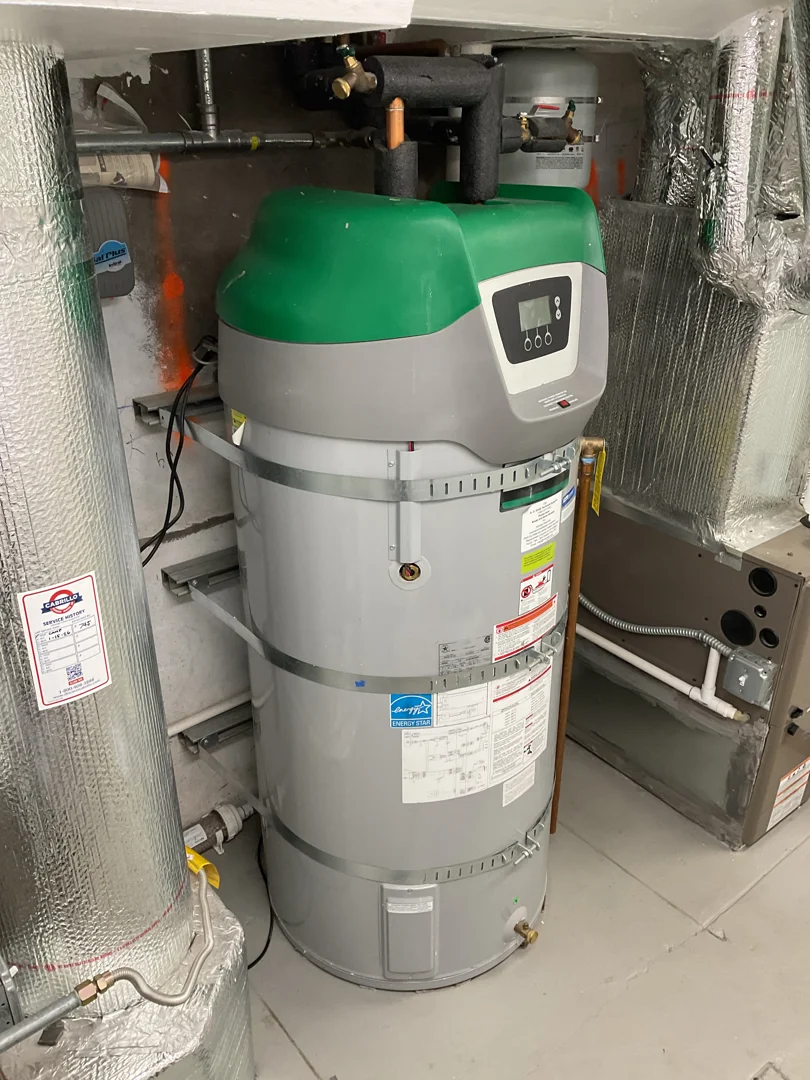
High-Efficiency Heat Pump Water Heaters
Heat pump water heaters (HPWHs) represent a significant leap in water heating technology. Instead of generating heat directly, they work by transferring heat from the surrounding air to the water in the tank. This process makes them incredibly energy-efficient, often using a fraction of the energy of conventional electric resistance water heaters. To qualify for federal incentives, these units typically need to meet stringent efficiency standards, such as those set by the Consortium for Energy Efficiency (CEE) or achieve an Energy Star certification.
Beyond energy savings, HPWHs can positively impact indoor air quality. As they draw heat from the ambient air, they also dehumidify the space where they are installed. This dehumidification benefit can be particularly advantageous in basements or utility rooms, helping to reduce moisture levels and inhibit mold growth. By contributing to better indoor climate control and potentially lowering humidity, HPWHs support a healthier indoor environment. For homeowners who made the switch, federal incentives were available, and understanding the specifics of these programs, such as those outlined in guides on Federal HVAC tax credits, was key to maximizing savings.
Strategic Home Upgrades for Better Air and Lower Taxes
The federal Energy Efficient Home Improvement Credit (25C), which applied to qualifying purchases and installations made between January 1, 2023, and December 31, 2025, offered homeowners a substantial incentive for making energy-efficient upgrades. For eligible heat pumps and heat pump water heaters, homeowners could claim a credit equal to 30% of the project cost, up to a maximum of $2,000 per year. This credit was nonrefundable, meaning it could reduce a homeowner’s tax liability to zero but would not result in a refund beyond taxes owed.
The overall annual limit for all eligible efficiency improvements under the 25C credit was $3,200. This included the $2,000 specific limit for heat pumps and heat pump water heaters, plus an additional $1,200 for other qualified improvements like insulation, windows, doors, and certain HVAC systems. There was no lifetime dollar limit on the 25C credit, allowing homeowners to potentially claim it annually for new qualifying installations made through the end of 2025.
To claim the credit, homeowners needed to file IRS Form 5695, Residential Energy Credits Part II, with their federal tax return for the year the property was installed. For installations completed in 2025, a significant change was introduced: qualifying equipment needed to be produced by a qualified manufacturer, and a Qualified Manufacturer Identification Number (QMID) had to be reported on the tax return. It was crucial for homeowners to retain all documentation, including receipts, manufacturer certifications, and any QMID, to substantiate their claim. Also, any subsidies, rebates, or utility incentives received for the upgrade had to be subtracted from the total qualified expenses before calculating the credit amount.
Advanced Air Purification and Ventilation Solutions
Beyond plumbing and primary HVAC systems, advanced air purification and ventilation solutions play a critical role in achieving optimal indoor air quality. These systems work to remove airborne contaminants, introduce fresh air, and manage humidity levels, creating a healthier and more comfortable living environment. From sophisticated air filtration to mechanical ventilation, a range of technologies can be integrated into your home.
Choosing the Right Indoor Air Quality Systems
Selecting the appropriate IAQ systems depends on your specific needs and concerns. High-efficiency particulate air (HEPA) filters, often integrated into HVAC systems or standalone air purifiers, are excellent for capturing dust, pollen, pet dander, and other microscopic particles. For more comprehensive purification, whole-home air purifiers and air scrubbers can actively remove pollutants throughout your ductwork.
Ultraviolet (UV) germicidal lights, installed within the HVAC system, are effective at neutralizing airborne bacteria, viruses, and mold spores as air passes through. Mechanical ventilation systems, such as energy recovery ventilators (ERVs) or heat recovery ventilators (HRVs), are essential for introducing fresh outdoor air while minimizing energy loss, crucial for tightly sealed, energy-efficient homes. Finally, proper airflow balance and regular duct cleaning contribute significantly to system efficiency and the distribution of clean air.
Maintenance Practices for Sustained Indoor Air Quality
Consistent maintenance is key to ensuring your IAQ systems perform effectively. This includes adhering to regular filter replacement schedules for your HVAC system and any standalone air purifiers, as clogged filters reduce efficiency and can reintroduce pollutants. Annual system inspections by qualified professionals can identify potential issues before they compromise air quality or system performance.
Duct sealing is another vital practice. Leaky ductwork can pull in dust, insulation fibers, and other contaminants from unconditioned spaces like attics or crawl spaces, distributing them throughout your home. Sealing these leaks improves efficiency and air purity. Furthermore, vigilant moisture control, including promptly addressing plumbing leaks, ensuring proper drainage around your home, and using dehumidifiers in damp areas, is fundamental to preventing mold and mildew growth, which are major contributors to poor IAQ.
Frequently Asked Questions About Home Upgrades and Indoor Air Quality
Many homeowners have questions about how various home systems interact and how to maximize both efficiency and health. Here, we address some common inquiries related to upgrades and indoor air quality.
How do heat pump water heaters affect Indoor Air Quality?
Heat pump water heaters (HPWHs) can have a positive impact on indoor air quality, particularly through their dehumidification capabilities. As they extract heat from the ambient air to warm water, they simultaneously cool and dehumidify the space where they are located. This reduction in moisture can be highly beneficial in areas prone to dampness, such as basements, helping to prevent the growth of mold and mildew. By circulating air and reducing humidity, HPWHs contribute to a drier, healthier indoor environment, which can alleviate issues related to allergens and respiratory irritants.
What federal tax credits are available for energy-efficient upgrades?
For homeowners who undertook energy-efficient upgrades, the federal Energy Efficient Home Improvement Credit (25C) was a significant incentive. This credit allowed taxpayers to claim 30% of the cost of qualifying improvements, including heat pumps and heat pump water heaters, up to an annual maximum of $2,000 for these specific items. The overall annual cap for all eligible 25C improvements was $3,200. This credit was available for products purchased and installed between January 1, 2023, and December 31, 2025. To claim the credit, homeowners needed to file IRS Form 5695 with their federal tax return for the year the installation occurred. This credit was nonrefundable and could only reduce your tax liability, not generate a refund.
How does plumbing maintenance prevent Indoor Air Quality issues?
Regular plumbing maintenance is crucial for preventing a range of indoor air quality problems. The most direct impact comes from leak detection and repair. Even small, undetected leaks can lead to chronic dampness, fostering mold and mildew growth, which release spores and VOCs into the air. Proper drain cleaning and ensuring that P-traps always contain water are vital to prevent noxious sewer gases from entering your home. These gases can carry unpleasant odors and potentially harmful compounds. By proactively addressing leaks, maintaining drains, and ensuring proper ventilation, plumbing maintenance significantly mitigates the risk of mold, mildew, and sewer gas intrusion, safeguarding your home’s indoor air quality.
Conclusion
Creating a home that is both comfortable and healthy requires a holistic approach, integrating efficient plumbing systems with advanced indoor air quality solutions. From understanding how plumbing directly impacts the air we breathe to leveraging federal incentives for high-efficiency upgrades, every step contributes to a better living environment. The strategic adoption of modern technologies like heat pump water heaters, combined with diligent maintenance practices and smart air purification choices, ensures optimal home comfort, energy efficiency, and indoor air health. We encourage homeowners to consider these system integrations and prioritize professional maintenance to unlock the full potential of their homes.


