
Comprehensive Care: From Routine Testing to Cosmetic Enhancements
I like exploring topics outside my usual lane every now and then, and the blending of healthcare and cosmetic services is a good example of an industry shift I don’t usually cover. Reading about how patient safety, board certifications, and facility accreditation factor into cosmetic decisions was a good reminder that these choices involve a lot more due diligence than people might assume. Between running a restaurant and raising four kids, I don’t have much time to dig into the medical side of things, but I always appreciate content that pushes people toward asking the right questions before making a decision like this.
Integrating Healthcare and Cosmetic Services in Modern Medicine
 In today’s fast-evolving world, our approach to health and well-being has transformed. We no longer view healthcare as entirely separate from how we feel about our appearance. Instead, a holistic perspective is emerging. This view combines medical necessities with aesthetic goals.

We recognize that feeling good often starts with looking good, and vice versa. Modern medicine now integrates these elements seamlessly. From essential preventive health measures, like diagnostic screening and even convenient virtual rapid antigen testing, to advanced cosmetic enhancements, the focus is on comprehensive care.
Our guide will explore this exciting shift. We will delve into how healthcare providers offer cosmetic services. We will compare surgical and non-surgical options. We will also discuss safety standards, emerging technologies, and financial considerations. Our goal is to help you navigate this integrated landscape. We aim to empower you to make informed decisions for your overall well-being.
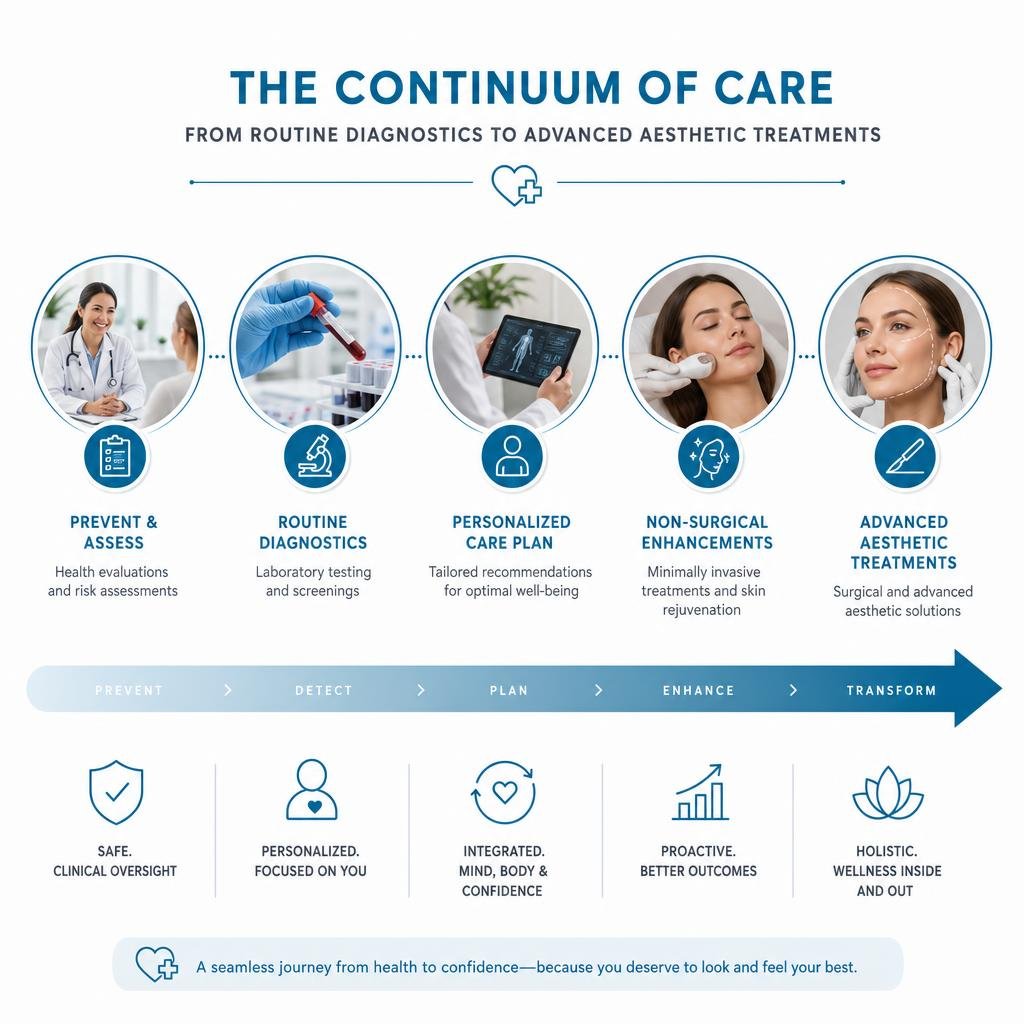
The landscape of healthcare and cosmetic services has significantly evolved, moving towards a model of multidimensional wellness. Increasingly, we see cosmetic procedures offered within established medical frameworks, providing robust medical oversight, access to clinical settings, and thorough diagnostic evaluation. This integration ensures that aesthetic goals are pursued not in isolation, but as part of an individual’s overall primary health and well-being. When cosmetic services are provided under medical supervision, patients benefit from a more comprehensive approach that considers their entire health profile, leading to safer and often more effective outcomes.
Clinical Oversight Versus Standalone Medspas
A key distinction in cosmetic enhancements lies between services offered by traditional healthcare providers (like hospitals or physician-led clinics) and standalone medspas. While both aim to enhance appearance, the level of clinical oversight and patient safety protocols can vary significantly.
Healthcare providers, particularly those within hospital networks or academic health systems, operate under stringent physician leadership. These environments typically boast board-certified surgeons, accredited facilities, and a multidisciplinary team of specialists, including dermatologists, vascular surgeons, and ophthalmologists. This integrated approach means that complex cases can be managed with a broader spectrum of medical expertise, ensuring patient safety is paramount. For instance, a patient seeking facial rejuvenation might benefit from the combined insights of a plastic surgeon, a dermatologist, and even a specialist in welcoming oral healthcare if dental aesthetics are part of their overall facial harmony goals. Such comprehensive anatomical expertise and coordinated care are often less prevalent in standalone medspas, which may have varying levels of medical supervision.
Standalone medspas, while convenient and often offering competitive pricing, might not always have the same depth of medical resources or the same rigorous accreditation standards. Services might be performed by licensed aestheticians or nurses, but direct physician oversight can be limited. While many medspas operate safely and effectively, the presence of an integrated medical team within a hospital or physician-led clinic offers an added layer of security, especially for more invasive procedures or in the event of complications.
Evaluating Healthcare and Cosmetic Services for Personalized Care
Choosing the right cosmetic service and provider requires a thorough evaluation process focused on personalized care. This journey typically begins with a detailed consultation, where a medical professional assesses your unique needs and goals.
The cornerstone of personalized care is a comprehensive skin analysis and a meticulous medical history review. This allows providers to understand underlying health conditions, past treatments, and potential contraindications. For example, a full skin analysis is crucial before selecting any skin revitalization treatments, ensuring the chosen method is appropriate for your skin type and concerns.
Personalized treatment plans are then developed, aligning with your aesthetic goals while setting realistic expectations. Providers should discuss the potential outcomes, risks, and benefits of each procedure. This patient-centered approach ensures that treatments are customized to your individual biology and desired results, rather than a one-size-fits-all solution. Whether you’re considering injectables or a more involved surgical option, consulting with a board-certified specialist is essential to evaluate which approach best meets your goals and to ensure the chosen path is safe and effective.
Comparing Surgical and Non-Surgical Cosmetic Enhancements
When considering cosmetic enhancements, patients are generally presented with two broad categories: surgical and non-surgical procedures. The choice between them often hinges on several factors, including the desired aesthetic goals, the degree of tissue elasticity, the patient’s tolerance for downtime, and the permanence of the results. A procedural evaluation with a qualified specialist is crucial to determine the most suitable option for each individual.
Common Surgical Options and Recovery Expectations
Surgical cosmetic procedures are typically more invasive, offering dramatic and often long-lasting results by physically altering tissues. Some of the most common surgical options include:
- Facelift (Rhytidectomy): Addresses sagging skin, deep wrinkles, and loss of muscle tone in the face and neck. Recovery usually involves swelling and bruising for several weeks, with light activity resuming in 1-2 weeks and full recovery taking 4-8 weeks.
- Liposuction: Removes localized fat deposits from various body areas. Patients can expect bruising and swelling, with a return to light activities in a few days and full recovery within several weeks, often requiring compression garments.
- Breast Augmentation: Increases breast size and enhances shape using implants. Recovery typically involves soreness and swelling, with light activity resuming in 1-2 weeks and full recovery in 4-8 weeks.
- Abdominoplasty (Tummy Tuck): Removes excess skin and fat from the abdomen and tightens abdominal muscles, often after significant weight loss or pregnancy. This is a more involved surgery, with recovery often taking 4-8 weeks for full activity, and light activity resuming after 1-2 weeks.
Post-operative care is critical for surgical procedures, often involving pain management, wound care, and restricted activities during the recovery timeline. Patients should be prepared for a period of healing and follow all instructions from their surgeon to ensure optimal results and minimize complications.
Popular Non-Surgical Treatments and Result Longevity
Non-surgical cosmetic procedures offer less invasive options, typically with minimal downtime and temporary results. These are ideal for patients seeking subtle enhancements, preventative measures, or who prefer to avoid surgery. Some popular non-surgical cosmetic procedures include:
- Botulinum Toxin (e.g., Botox, Dysport, Xeomin): Used to relax muscles that cause dynamic wrinkles, such as frown lines, crow’s feet, and forehead lines. Results typically appear within 3-7 days and last approximately 3-4 months.
- Dermal Fillers (e.g., Juvederm, Restylane, Radiesse): Injectable gels that restore volume, smooth wrinkles, and enhance facial contours (e.g., lips, cheeks, under-eye hollows, hands). Effects are immediate and can last 6-18 months, depending on the type of filler and treatment area.
- Laser Resurfacing: Uses concentrated light beams to improve skin texture, reduce wrinkles, sun spots, and scars. Downtime varies from a few days to a couple of weeks, depending on the intensity of the laser.
- Chemical Peels: Apply a chemical solution to exfoliate the skin, improving tone, texture, and reducing fine lines. Recovery ranges from mild flaking to several days of peeling.
The longevity of results for non-surgical treatments varies significantly, requiring repeat treatments to maintain the desired effect. This makes them a flexible option for patients who wish to adjust their aesthetic over time.
Comparing Surgical and Non-Surgical Aesthetic Options
Choosing between surgical and non-surgical options depends on individual needs, goals, and willingness to undergo recovery. Here’s a comparative overview:
Feature Surgical Procedures Non-Surgical Procedures Invasiveness High (incisions, anesthesia) Low (injections, topical treatments, energy devices) Recovery Downtime Significant (weeks to months) Minimal to none (hours to a few days) Duration of Results Long-lasting, often permanent (years) Temporary (months to 1-2 years), requires maintenance Aesthetic Goals Dramatic changes, significant contouring, skin removal Subtle enhancements, wrinkle reduction, volume restoration, skin texture improvement Ideal Candidate Seeking significant, lasting changes; willing to undergo surgery and recovery Seeking subtle changes, preventative care, or unwilling/unable to undergo surgery Risks Higher (anesthesia, infection, scarring) Lower (bruising, swelling, temporary redness) Safety Standards Across Healthcare and Cosmetic Services
Patient safety is the paramount concern in both traditional healthcare and cosmetic services. Quality control measures, rigorous patient screening, infection prevention protocols, and comprehensive risk reduction strategies are fundamental to ensuring positive outcomes. When considering any cosmetic procedure, it is crucial to evaluate the provider’s commitment to these safety standards.
Professional Credentials and Board Certifications
One of the most critical aspects of ensuring patient safety is verifying the professional credentials of your cosmetic provider. We strongly advocate for choosing board-certified specialists. For instance, plastic surgeons certified by the American Board of Plastic Surgery (ABPS) have undergone extensive training beyond standard medical school and residency. This includes specialized training in cosmetic and reconstructive procedures, followed by rigorous examinations.
Board certification signifies a commitment to continuous education and adherence to the highest standards of practice. It indicates that a practitioner possesses advanced anatomical expertise and stays updated on the latest techniques and safety protocols. Beyond plastic surgery, look for board certifications in relevant subspecialties, such as dermatology for skin treatments or ophthalmology for eyelid procedures, especially when considering complex or medically necessary interventions. These qualifications ensure that your provider has the necessary expertise to perform procedures safely and effectively, managing potential risks with a deep understanding of human anatomy and physiology.
Facility Accreditation and Risk Mitigation
Beyond individual provider credentials, the accreditation of the facility where procedures are performed is equally vital. Accredited surgical facilities, whether within a hospital system or a standalone surgical center, must meet or exceed strict national quality and safety standards. These standards encompass various aspects, including:
- Infection Control: Rigorous protocols to prevent surgical site infections.
- Anesthesiology Supervision: Ensuring that anesthesia, when required, is administered and monitored by board-certified anesthesiologists.
- Emergency Management: Preparedness for medical emergencies, including access to life-saving equipment and trained staff.
- Equipment Maintenance: Regular calibration and maintenance of all medical devices.
Accreditations from bodies like the Accreditation Association for Ambulatory Healthcare (AAAHC) or international equivalents like the National Accreditation Board for Hospitals and Healthcare Providers (NABH) International (as seen with clinics like Belo Medical Group) provide an independent verification of a facility’s commitment to patient safety. Choosing an accredited facility significantly mitigates risks associated with cosmetic procedures, offering peace of mind that you are receiving care in an environment designed for optimal safety and quality.
Emerging Innovations in Aesthetic and Clinical Medicine
The field of aesthetic and clinical medicine is in a constant state of innovation, with new technologies and therapies continually emerging to enhance results, minimize downtime, and integrate more deeply with overall wellness. We are seeing a significant shift towards technological integration, cellular therapies, and metabolic wellness programs, all designed to offer more comprehensive and personalized care.
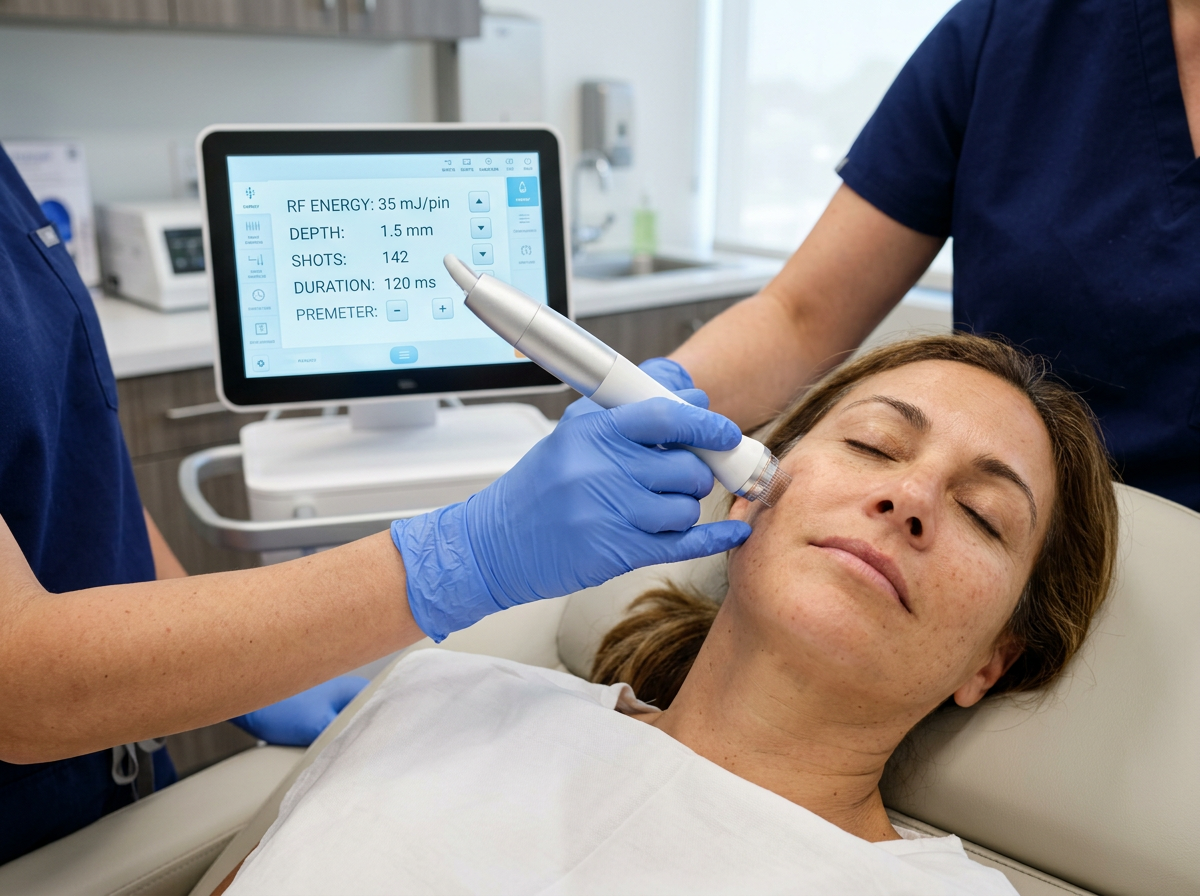
Energy-Based Therapies and Radiofrequency Microneedling
Energy-based therapies have revolutionized non-surgical skin rejuvenation. Technologies like Radiofrequency (RF) microneedling and Intense Pulsed Light (IPL) are at the forefront, offering effective solutions for various skin concerns.
- RF Microneedling: This procedure combines traditional microneedling with radiofrequency energy. The microneedles create micro-injuries in the skin, while the RF energy delivers heat into the deeper layers. This dual action stimulates collagen remodeling, tightens skin, reduces fine lines, and improves texture. It’s particularly effective for addressing concerns like acne scars, enlarged pores, and mild skin laxity, often with minimal downtime.
- Intense Pulsed Light (IPL): IPL uses broad-spectrum light to target specific chromophores in the skin, such as melanin (for sun spots and pigmentation) and hemoglobin (for redness and vascular lesions). It’s a versatile treatment for improving overall skin tone and clarity.
These technologies offer significant improvements in skin quality without the invasiveness or recovery associated with surgery, making them popular choices for those seeking effective, non-surgical solutions.
Cellular Rejuvenation and Exosome Therapy
Regenerative medicine is increasingly playing a role in aesthetic treatments, focusing on stimulating the body’s natural healing and rejuvenation processes at a cellular level.
- Exosome Therapy: Exosomes are tiny vesicles released by cells that contain proteins, lipids, and genetic material. In aesthetic medicine, exosome therapy utilizes these powerful signaling molecules to promote tissue repair, reduce inflammation, and stimulate cellular rejuvenation. They can be applied topically or injected to enhance skin quality, accelerate healing, and even support hair restoration.
- Biostimulators (e.g., Sculptra, Radiesse): Unlike traditional dermal fillers that simply add volume, biostimulators work by prompting the body’s natural tissue to produce new structural collagen over time. This leads to gradual, natural-looking improvements in volume and skin quality.
- Platelet-Rich Plasma (PRP): Derived from a patient’s own blood, PRP contains a high concentration of growth factors that can stimulate collagen production, improve skin texture, and promote hair growth.
These cellular therapies represent a cutting-edge approach to anti-aging, leveraging the body’s intrinsic regenerative capabilities for more profound and lasting results.
Medically Supervised Metabolic and Weight Loss Programs
Modern cosmetic medicine extends beyond surface-level treatments to encompass systemic wellness, recognizing that internal health profoundly impacts external appearance. Medically supervised metabolic and weight loss programs are now integrated into comprehensive aesthetic plans.
- GLP-1 Receptor Agonists (e.g., Semaglutide, Tirzepatide): These medications, originally developed for diabetes management, have shown remarkable efficacy in weight loss. Under physician monitoring, GLP-1 weight loss programs help patients achieve significant and sustainable weight reduction by regulating appetite and improving metabolic health. This can dramatically improve body contour and overall well-being, often complementing body sculpting procedures.
- NAD+ IV Therapy: Nicotinamide Adenine Dinucleotide (NAD+) is a coenzyme crucial for cellular energy production and repair. NAD+ IV therapy is used to boost cellular wellness, improve energy levels, support cognitive function, and contribute to overall anti-aging efforts.
These medically supervised programs highlight a holistic approach, where aesthetic goals are supported by optimizing internal health, ensuring that patients not only look better but also feel better from the inside out.
Navigating Costs, Insurance Coverage, and Treatment Planning
Understanding the financial aspects of healthcare and cosmetic services is a critical step in treatment planning. We aim for transparent pricing structures and clear communication regarding all treatment options and associated costs.
Understanding Elective Costs and Insurance Boundaries
Most cosmetic procedures are considered elective aesthetic procedures and are typically not covered by standard health insurance policies. This is because their primary purpose is to enhance appearance rather than treat a medical condition. Patients should be prepared to cover the full cost of these treatments out-of-pocket.
However, there are exceptions. In some cases, a procedure that has cosmetic benefits may also be deemed medically necessary. For example, an eyelid lift (blepharoplasty) can be classified as medically necessary if excess skin obstructs a patient’s field of vision. Similarly, breast reduction surgery might be covered if it alleviates chronic back pain or other health issues. It is essential to consult with both your cosmetic provider and your insurance carrier to understand the specific criteria for medical necessity and potential coverage. Providers should clearly differentiate between purely elective costs and any components that might qualify for insurance consideration.
Financing Options and Structured Payment Plans
Recognizing that cosmetic treatments can represent a significant investment, many providers offer various financing options and structured payment plans to make procedures more accessible. These can include:
- Medical Financing Companies: Specialized lenders like CareCredit or Alphaeon Credit offer credit lines specifically for healthcare expenses, allowing patients to pay for treatments over time with various interest-free or low-interest plans.
- In-house Payment Plans: Some clinics offer their own flexible payment arrangements, allowing patients to pay in installments directly to the provider.
- Transparent Quotes: Reputable providers will offer a detailed, transparent quote upfront, outlining all costs associated with the procedure, including surgeon’s fees, anesthesia, facility fees, and post-operative care. This helps patients plan their finances without unexpected surprises.
- Phased Treatment Plans: For more extensive aesthetic journeys, providers might suggest a phased approach, breaking down treatments into stages to spread out the cost over a longer period.
We encourage patients to discuss all financial aspects during their initial consultation to ensure they have a clear understanding of costs and available payment solutions, allowing them to proceed with confidence.
Frequently Asked Questions
What differentiates a hospital-backed cosmetic provider from a standalone day spa?
The primary differentiator lies in the level of medical oversight, resources, and safety protocols. A hospital-backed or physician-led cosmetic provider operates within a regulated medical environment, offering comprehensive diagnostic access, emergency readiness, and care from board-certified specialists across multiple disciplines. This ensures higher accredited clinical standards and a more holistic approach to patient safety and well-being. Standalone medspas, while often excellent for certain aesthetic services, may have less direct physician supervision and fewer emergency resources.
How do patients determine whether surgical or non-surgical options are appropriate?
Determining the right path involves a thorough clinical consultation. Key factors include your aesthetic goals, the degree of tissue laxity (how much skin sagging you have), your tolerance for downtime, and the desired result longevity. Surgical options typically offer more dramatic and permanent changes, but require significant recovery. Non-surgical treatments provide subtle enhancements with minimal downtime but require ongoing maintenance. A qualified provider will assess these factors, discuss risks and benefits, and help you choose the option that best aligns with your individual needs and lifestyle.
What role do emerging therapies like exosomes and GLP-1 programs play in aesthetic care?
Emerging therapies like exosomes and GLP-1 programs represent a shift towards integrating systemic wellness with aesthetic outcomes. Exosome therapy utilizes cellular signaling to promote tissue repair and rejuvenation, enhancing skin quality and accelerating healing from within. GLP-1 (glucagon-like peptide-1) programs, such as those using semaglutide, offer medically supervised weight management, which can significantly improve body contour and overall health, complementing external aesthetic procedures. These innovations highlight a holistic approach where internal health optimization contributes to external beauty and long-term well-being, all under physician supervision.
Conclusion
The integration of healthcare and cosmetic services marks a significant evolution in our pursuit of well-being. By embracing a comprehensive care model, we recognize that true beauty and confidence stem from a harmonious balance of internal health and external appearance. From routine diagnostic screenings to advanced aesthetic treatments, the focus is increasingly on personalized, medically supervised care that prioritizes patient safety and delivers natural aesthetic outcomes.
As we look to August 2026 and beyond, the advancements in emerging technologies, cellular therapies, and metabolic wellness programs will continue to redefine what’s possible. Our commitment remains to empower individuals with the knowledge and resources to make informed decisions, ensuring their aesthetic goals align seamlessly with their long-term health and overall well-being. By choosing providers who uphold the highest standards of professional credentials, facility accreditation, and patient-centered care, we can confidently navigate this integrated landscape and achieve a truly holistic sense of self.


