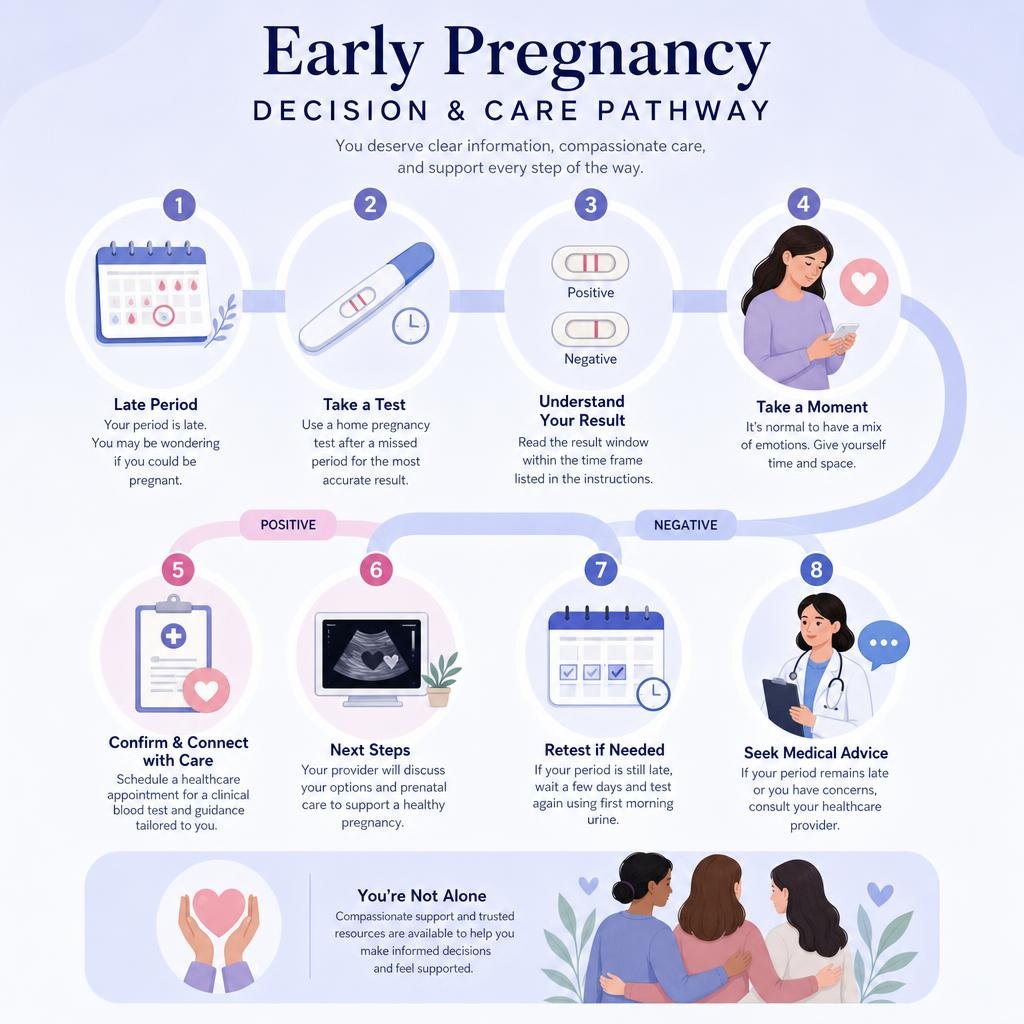
Compassionate Support for Unplanned Pregnancies
I like exploring topics outside my usual lane every now and then, and compassionate support for unplanned pregnancies is a good example of content I don’t often get to write about but think matters deeply. The detail about hCG doubling roughly every 48 hours in early pregnancy, and what that means for retesting after a faint line, is the kind of specific, practical information that can genuinely ease someone’s anxiety in an uncertain moment. It’s a good reminder that clarity and real information matter most when someone’s navigating something this personal.
Navigating Pregnancy Testing and Early Detection
Understanding how pregnancy tests function and when to use them is paramount for obtaining reliable results. At their core, most pregnancy tests, whether home-based or clinical, are designed to detect a specific hormone: human chorionic gonadotropin, or hCG. This hormone is exclusively produced during pregnancy.
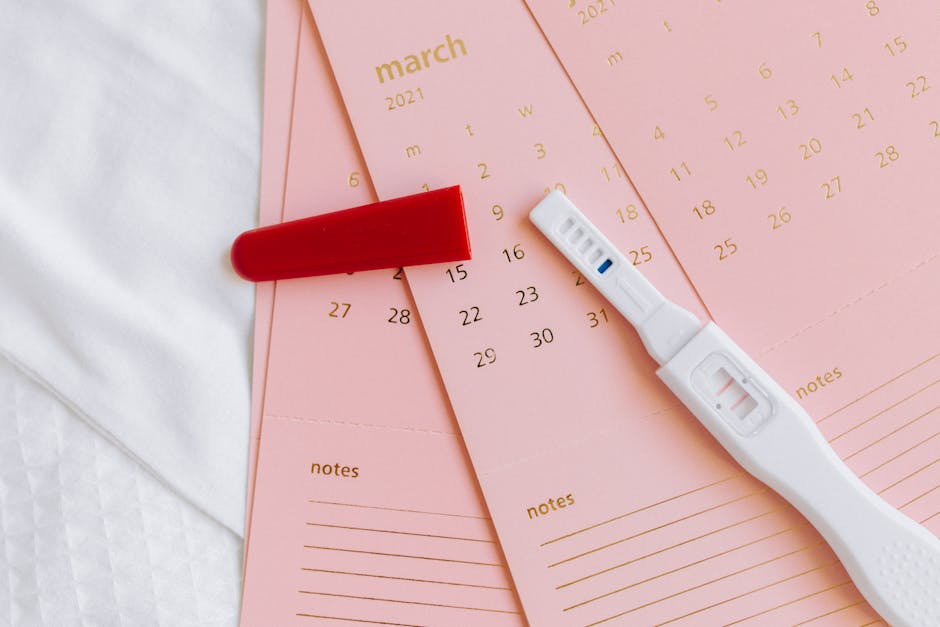
The journey of hCG begins shortly after a fertilized egg implants into the uterine wall, typically around 6 to 12 days after conception. Once implantation occurs, the developing placenta starts producing hCG, and its levels rapidly increase, often doubling every 48 hours during the early weeks of pregnancy. This rapid rise is what allows tests to detect pregnancy progressively earlier.
While home urine tests are widely accessible and convenient, clinical blood tests offer a different level of sensitivity and precision. Here’s a comparison to help illustrate their differences:
| Feature | Home Urine Tests | Clinical Blood Tests |
|---|---|---|
| Detection Window | From the day of a missed period, some 5-6 days before | As early as 7-10 days post-conception |
| Accuracy | Up to 99% accurate after a missed period | Nearly 100% accurate |
| Method | Detects hCG in urine | Detects hCG in blood |
| Sensitivity | Varies by brand (6.3-25 mIU/ml) | Can detect levels as low as 1-2 mIU/ml |
| Result Clarity | Visual lines or digital display | Numerical hCG level or positive/negative |
| Accessibility | Over-the-counter at pharmacies | Requires a doctor’s visit and lab work |
Human chorionic gonadotropin (hCG) is often referred to as the “pregnancy hormone.” It plays a crucial role in maintaining the early stages of pregnancy by signaling the corpus luteum to continue progesterone production, which is essential for sustaining the uterine lining. This hormone is unique to pregnancy and is produced by the cells that will eventually form the placenta.
The mechanism behind pregnancy tests is quite ingenious. Test strips are impregnated with antibodies that are specifically designed to bind to hCG molecules present in urine. When urine containing hCG comes into contact with these antibodies, a chemical reaction occurs, leading to a visible change – typically a colored line, a plus sign, or a digital “Pregnant” display.
Every home pregnancy test also includes a control indicator. This is a separate line or symbol that appears regardless of pregnancy, serving as an assurance that the test has functioned correctly and that enough urine was applied. If the control line doesn’t appear, the test is considered invalid, and a new one should be used. The sensitivity of a test, indicated by its hCG threshold (e.g., 6.3 mIU/ml), determines how early it can detect pregnancy. A lower mIU/ml value means a more sensitive test, capable of detecting smaller amounts of hCG.
Optimal Timing for Accurate Results
The timing of a pregnancy test significantly impacts its accuracy. While the allure of early detection is strong, testing too soon can lead to a false negative, even if you are pregnant. The most reliable time to take a home pregnancy test is on or after the first day of your missed period. By this point, enough hCG has typically accumulated in your urine to be detected by most tests.
For those tracking ovulation, waiting at least 12-14 days past ovulation (DPO) before testing is generally recommended. This allows sufficient time for implantation to occur and for hCG levels to rise. Some highly sensitive tests, like the First Response Early Result Pregnancy Test (with an hCG threshold of 6.3 mIU/ml), claim to detect pregnancy up to 6 days before a missed period. However, it’s important to note that detection rates are lower at this early stage. For instance, while Clearblue Rapid Detection Pregnancy Test is over 99% accurate from the day of the expected period, its detection rate is 98% one day before and only 56% four days before.
If you have irregular periods, determining the “first day of your missed period” can be challenging. In such cases, a good guideline is to test approximately 36 days from the start of your last menstrual cycle or four weeks after unprotected sex. If the result is negative but you still suspect pregnancy, it’s advisable to wait a few more days and retest.
For the most concentrated urine, and thus potentially higher hCG levels, many experts recommend using your first morning urine for testing, especially if testing early. This ensures that any hCG present has had ample time to accumulate overnight. When used correctly after a missed period, home pregnancy tests boast an impressive 99% accuracy rate, providing significant peace of mind or an early indication of a new journey.
Finding Trusted Reproductive Health Support Services
Discovering you might be pregnant, especially if it’s unplanned, can be an overwhelming experience. Beyond the initial test result, navigating the next steps requires confidential care, accessible healthcare options, and reliable community resources. Our commitment is to ensure you have the support needed to make informed decisions about your health and future. This often begins with clinical confirmation of pregnancy, followed by discussions about your options and access to comprehensive care.
Accessible Community Reproductive Health Support
For many, the first step after a home test is seeking professional confirmation and guidance. Community clinics and local health centers play a vital role in providing accessible reproductive health support. These centers often offer a range of services, including professional pregnancy testing, counseling, and referrals, often at little to no cost.
Addressing potential cost barriers is crucial, and we believe everyone deserves access to accurate information and care. Many organizations provide resources to alleviate these concerns. For instance, if you are looking for local support and resources, including where to find free pregnancy tests, these community-focused services can be an invaluable starting point. They are designed to offer confidential screening and support, ensuring that financial constraints do not stand in the way of essential health services.
Long-Term Emotional and Reproductive Health Support
Beyond the immediate confirmation of pregnancy, comprehensive support extends to your long-term emotional and reproductive health. This includes options counseling, which provides nonjudgmental guidance on all available paths, allowing you to explore what feels right for your individual circumstances.
Mental health support is also a critical component, as facing an unplanned pregnancy can bring significant emotional challenges. Many community resources offer counseling services or can provide referrals to mental health professionals specializing in reproductive health. Furthermore, securing medical referrals for ongoing care, whether for prenatal care, adoption services, or other reproductive health needs, ensures a continuous and supportive healthcare journey. Our aim is to connect you with a network of care that addresses not just your physical health, but your holistic well-being.
Interpreting Results and Addressing Complex Scenarios
Once you’ve taken a pregnancy test, interpreting the results can sometimes be straightforward, but other times, it can present complex scenarios. Understanding how to read your test, what faint lines might mean, and the potential for false results is crucial for accurate interpretation and peace of mind.

Home pregnancy tests typically display results as distinct lines, a plus/minus symbol, or a digital “Pregnant” or “Not Pregnant” message. Digital indicators are often preferred by nervous users as they reduce the risk of misinterpretation, offering clear, unambiguous answers. However, even with digital tests, understanding potential testing errors or specific scenarios is important.
Navigating Unclear Lines and Faint Positives
One of the most common dilemmas with traditional line tests is interpreting faint lines. A faint positive line, no matter how light, usually indicates pregnancy. This faintness often occurs when hCG levels are still low, which is common in very early pregnancy or if you tested before your missed period. It’s important to distinguish a faint positive from an “evaporation line,” which can appear as the urine dries on the test strip after the recommended reading time. Evaporation lines are typically colorless or grey, whereas a positive line will have some color.
If you see a faint line and are unsure, we recommend retesting in 48 to 72 hours. Given that hCG levels typically double every two to three days in early pregnancy, a subsequent test should show a darker, clearer line if you are pregnant. For definitive confirmation or if uncertainty persists, a quantitative blood test performed by a healthcare provider can measure the exact amount of hCG in your blood, providing a precise answer.
Causes of False Positives and False Negatives
While pregnancy tests are highly accurate, particularly when used correctly after a missed period, both false positive and false negative results can occur. Understanding their causes can help you interpret your results more accurately.
Factors that can cause a false positive pregnancy test:
- Chemical Pregnancy: This is a very early miscarriage that occurs shortly after implantation. The test detects hCG, but the pregnancy doesn’t progress. About 1 in 4 pregnancies end in early pregnancy loss, which can lead to a positive test followed by a negative result or a period.
- Fertility Medications: Some fertility treatments, particularly those containing hCG (e.g., hCG injections like Ovidrel, Pregnyl), can lead to a false positive result because they introduce the hormone directly into your system. Most other medications, including antibiotics, pain relievers, and birth control pills, do not affect test results.
- Rare Medical Conditions: Certain rare medical conditions, such as some types of ovarian cysts, pituitary disorders, or even certain cancers, can produce hCG, leading to a positive result without a viable pregnancy.
- Expired or Faulty Test: An expired or improperly stored test might yield an inaccurate result. Always check the expiration date.
- Evaporation Lines: While not a true false positive, these colorless lines can be mistaken for a positive result if the test is read after the recommended time window.
Factors that can cause a false negative pregnancy test:
- Testing Too Early: This is the most common cause. If you test before your body has produced enough hCG to be detected, the test will show negative even if you are pregnant. Home pregnancy tests can detect pregnancy as early as 10 days after unprotected sex, but results are less reliable before a missed period.
- Diluted Urine: If you drink a lot of fluids before testing, especially later in the day, your urine can become diluted, lowering the concentration of hCG and potentially leading to a false negative. Using first morning urine is often recommended for early testing.
- Incorrect Test Usage: Not following the instructions precisely (e.g., not holding the test in the urine stream long enough, reading the result too soon or too late) can lead to inaccurate results.
- Ectopic Pregnancy: In some cases of ectopic pregnancy (where the fertilized egg implants outside the uterus), hCG levels may rise more slowly or be lower than in a uterine pregnancy, potentially causing a false negative.
- Hook Effect: While rare with home tests, extremely high levels of hCG (typically later in pregnancy) can sometimes overwhelm the test’s antibodies, leading to a false negative.
- Faulty Test: Less commonly, a test might be faulty and simply not work correctly.
If you receive a negative result but your period doesn’t arrive, or if you have any doubts about your test results, it’s always best to retest in a few days or consult with a healthcare professional for further evaluation.
Frequently Asked Questions About Pregnancy Confirmation
We understand that you may have many questions as you navigate the possibility of pregnancy. Here, we address some of the most common inquiries regarding pregnancy testing and results.
How soon after conception can a test detect pregnancy?
Pregnancy tests work by detecting hCG, which is produced after a fertilized egg implants in the uterus. Implantation typically occurs 6 to 12 days after conception, most commonly around 10 days. Once implantation happens, hCG levels begin to rise rapidly.
While some highly sensitive “early detection” home pregnancy tests claim to detect pregnancy as early as 5-6 days before a missed period, their accuracy at this stage is lower. For instance, the First Response Early Result Pregnancy Test has an hCG threshold of 6.3 mIU/ml, making it one of the most sensitive for early detection. However, even with such sensitive tests, the likelihood of detection increases significantly closer to, or on, the day of your expected period. Clinical blood tests can often detect pregnancy slightly earlier, around 7-10 days after conception, due to their ability to measure lower hCG concentrations.
Can common medications alter pregnancy test results?
Generally, most common medications, including antibiotics, pain relievers (like ibuprofen or acetaminophen), alcohol, and birth control pills, do not affect the accuracy of home pregnancy test results. These substances do not contain hCG and do not interfere with the test’s ability to detect the hormone.
The primary exception is fertility medications that contain hCG. These medications, which are sometimes used to trigger ovulation, directly introduce hCG into your system and can lead to a false positive result if you test too soon after taking them. If you are undergoing fertility treatments, it’s crucial to discuss the timing of pregnancy testing with your healthcare provider. Additionally, certain rare medical conditions, such as some types of ovarian cysts or pituitary gland disorders, can cause hCG production and potentially lead to a false positive.
What steps should be taken if a period is late but tests remain negative?
If your period is late but home pregnancy tests continue to show negative results, several factors could be at play. It’s possible you ovulated later than you thought, which would delay your period and mean it’s still too early for a test to detect pregnancy. Irregular periods are common and can be caused by stress, hormonal imbalances, significant weight changes, or certain medical conditions.
We recommend the following steps:
- Retest: Wait a few more days (e.g., 2-3 days) and take another home pregnancy test. hCG levels double every 48 hours in early pregnancy, so waiting can allow enough hormone to build up for detection.
- Use First Morning Urine: If testing early, use your first morning urine for the highest concentration of hCG.
- Consult a Healthcare Provider: If your period is significantly late (e.g., more than a week or two) and home tests are still negative, or if you have concerns, schedule an appointment with your doctor. They can perform a clinical blood test, which is more sensitive, and evaluate other potential causes for a missed period. This medical evaluation can rule out pregnancy or identify other health issues that might be affecting your menstrual cycle.
Conclusion
The journey of confirming a possible pregnancy is a deeply personal one, often filled with a spectrum of emotions. We hope this extensive guide has provided you with clarity and confidence regarding pregnancy tests – how they work, when to use them, and how to interpret their results. Home pregnancy tests are powerful tools, offering over 99% accuracy when used correctly after a missed period.
Beyond the science, we emphasize the importance of emotional reassurance and professional confirmation. A positive home test is an indicator, but a visit to a healthcare provider for a clinical blood test and follow-up care is the crucial next step. This ensures personalized healthcare tailored to your unique needs and circumstances.
Regardless of your test results or your feelings about them, accessible community resources are available to provide support, guidance, and comprehensive care. You are not alone in this process. We encourage you to reach out to healthcare professionals and support networks to ensure you receive the compassionate care and informed decision-making assistance you deserve.