
Choosing the Right Commercial Mechanical Contractor
Cooling without ductwork became a real research project for me a few years back, since our old New England farmhouse never had central air installed and retrofitting full ductwork was never going to be realistic or affordable. We ended up going the mini-split route in a couple of key rooms, and the point about zoned cooling letting you set different temperatures per room genuinely changed how comfortable our house feels in the summer, especially with five dogs who each seem to have a different opinion about ideal room temperature.
Primary Options for Adding Cooling Without Ductwork
When traditional ductwork isn’t an option, either due to an older home’s architecture, a new addition, or simply a desire to avoid invasive renovations, homeowners in July 2026 have several effective cooling solutions. These alternatives offer varying degrees of efficiency, cost, and installation complexity.
The main contenders for adding cooling without ductwork include:
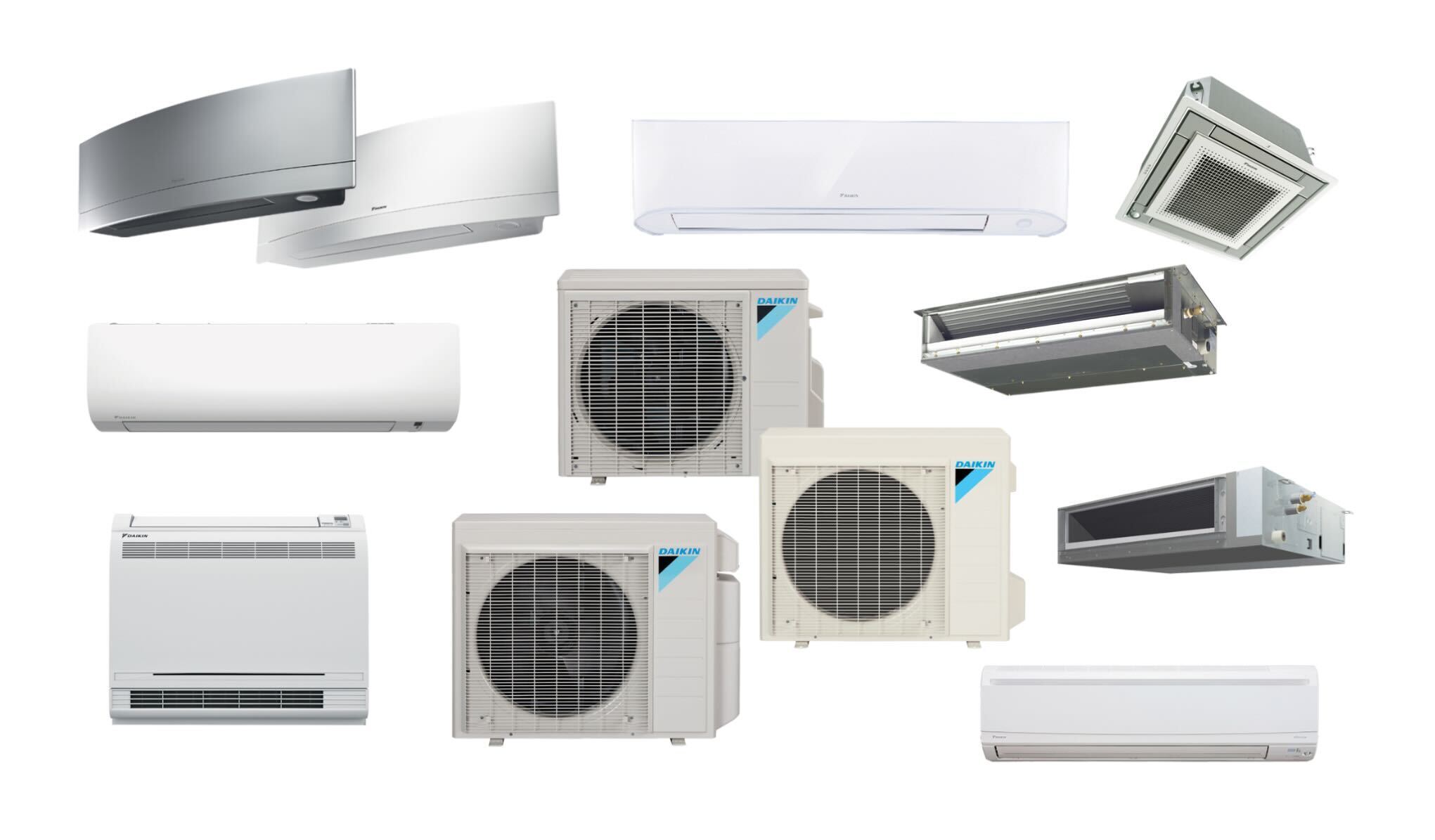
- Ductless Mini-Split Systems: These are heat pump systems that connect an outdoor compressor unit to one or more indoor air-handling units via a small conduit. They provide both heating and cooling, offering precise temperature control for individual rooms or zones.
- High-Velocity Small-Duct Systems: While technically having “ducts,” these systems use much smaller, flexible tubes (typically 2-inch diameter) that can be snaked through existing walls and ceilings with minimal disruption. They connect to a central air handler and deliver cooled air at high speeds, creating a mixing effect.
- Window Air Conditioners: These self-contained units are installed directly in a window opening, cooling a single room. They are a common, affordable, and temporary solution.
- Portable Air Conditioners: These freestanding units can be moved from room to room and typically vent hot air through a hose to a window or wall opening.
- Through-the-Wall Air Conditioners (PTAC Units): Similar to window units but designed for permanent installation through an exterior wall, often found in hotels or apartment buildings.
- Evaporative Coolers (Swamp Coolers): These units cool air by evaporating water, best suited for dry climates.
- Fans and Passive Cooling Strategies: While not active cooling systems, these methods (ceiling fans, whole-house fans, strategic window opening) can significantly reduce cooling loads and improve comfort in milder conditions.
Each option presents a unique balance of benefits and drawbacks, which we will explore in detail to help you determine the best fit for your home.
Comparing Ductless Cooling Solutions: Efficiency, Cost, and Installation
Choosing the right ductless cooling system involves weighing several factors, from initial investment to long-term operational savings and aesthetic impact. Let’s compare the leading options:
Ductless Mini-Splits
- Efficiency: Mini-splits are champions of efficiency. With SEER (Seasonal Energy Efficiency Ratio) ratings ranging from 16 to over 28 (some even reaching 35 SEER2), they can reduce energy consumption by up to 40% compared to conventional ducted systems. This is largely due to their inverter technology, which allows the compressor to adjust its speed precisely to match the cooling load, much like a car’s cruise control. The absence of ductwork also eliminates the significant energy loss—up to 30%—that can occur through leaky ducts. ENERGY STAR-certified mini-splits, in particular, use up to 60% less energy than standard heating and cooling systems.
- Cost: While the upfront cost for a single-zone mini-split can be higher than a window or portable unit, the long-term operating costs are significantly lower due to their efficiency. For whole-home multi-zone systems, the initial investment can be comparable to or even exceed that of a traditional central AC system (if ductwork is already present and in good condition), but without the disruption of installing new ducts.
- Installation: Installation is relatively non-invasive, requiring only a small 3-inch hole in the wall to connect the indoor and outdoor units via a conduit containing refrigerant lines, power cables, and a condensate drain. A typical three-zone mini-split system can be installed in 1-2 days with minimal mess. Professional installation is crucial for proper sizing (using a Manual J calculation) and ensuring refrigerant lines are correctly flared and vacuum-tested.
- Noise Levels: Mini-split indoor units are remarkably quiet, operating at 19-32 decibels – quieter than a whisper. The noisy compressor is located outside, making them far less intrusive than window or portable units.
- Air Quality & Dehumidification: Many mini-splits feature multi-stage filtration systems that can capture 99.9% of allergens, significantly improving indoor air quality. They are also highly effective at dehumidification, as their inverter technology allows them to run at lower speeds for longer periods, pulling more moisture out of the air without short-cycling.
- Heating Capabilities: As heat pumps, mini-splits provide both efficient cooling and heating. Modern cold-climate mini-splits can maintain significant heating output even down to 5°F, making them a viable year-round solution in many regions.
- Aesthetics: While wall-mounted indoor units are visible, manufacturers now offer a variety of styles including ceiling cassettes, floor-mounted units, and concealed ducted units that blend more seamlessly with home aesthetics. Line set covers can also be painted to match exterior siding.
High-Velocity Small-Duct Systems
- Efficiency: These systems typically have SEER ratings of 14-18, which is lower than mini-splits but generally better than window or portable units. Their efficiency can be impacted by the energy required to push air through small ducts at high velocity.
- Cost: High-velocity systems often have a higher installation cost than mini-splits, as they involve more extensive (though less disruptive) construction to install the network of small ducts.
- Installation: Installation involves running 2-inch flexible ducts through wall cavities, floor joists, or attic spaces, connecting to small, discreet vents. This process is less invasive than traditional ductwork but more so than a simple mini-split line set.
- Noise Levels: The high-velocity air delivery can sometimes result in a noticeable whooshing sound from the vents, though modern systems have improved in this regard. The main air handler is typically located in an attic or basement.
- Air Quality & Dehumidification: High-velocity systems are known for their excellent dehumidification capabilities, often removing 30% more moisture than conventional systems because they run coils colder.
- Aesthetics: Their primary aesthetic advantage is the near-invisibility of the small, round vents, which can be painted to match the interior. This makes them a preferred choice for historic homes where preserving architectural integrity is paramount.
Window Air Conditioners
- Efficiency: Window AC units typically have SEER ratings of 10-15. They are less efficient than mini-splits and high-velocity systems, primarily because they are often oversized for the space and can be prone to air leaks around the unit.
- Cost: They have the lowest upfront cost, making them an attractive budget-friendly option for temporary or single-room cooling.
- Installation: DIY installation is straightforward, involving placing the unit in a window opening and securing it.
- Noise Levels: Window units are notoriously noisy, with indoor sound levels typically ranging from 50-60 decibels, significantly louder than mini-splits.
- Air Quality & Dehumidification: Basic filtration is common, but advanced air quality features are rare. Dehumidification is moderate.
- Aesthetics & Security: They block light, obstruct views, and can be considered unsightly. They also pose a security risk as they can be removed from outside.
Portable Air Conditioners
- Efficiency: Portable ACs are generally the least efficient option, with SEER ratings of 8-12. Single-hose models are particularly inefficient, creating negative pressure that draws hot outside air into the room, reducing effective cooling by up to 40%.
- Cost: Upfront costs are relatively low, making them suitable for temporary fixes or rentals.
- Installation: Easy to set up, requiring only venting a hose through a window or other opening.
- Noise Levels: Similar to window units, they can be quite noisy (52-60 decibels) as the compressor is inside the room.
- Air Quality & Dehumidification: Basic filtration and moderate dehumidification.
- Aesthetics & Security: They take up floor space and require a visible exhaust hose.
Through-the-Wall (PTAC) Units
- Efficiency: Generally more efficient than window units, with SEER ratings up to 15.
- Cost: Higher upfront and installation costs than window or portable units due to the need for a wall sleeve.
- Installation: Requires cutting a dedicated hole in an exterior wall for permanent installation.
- Noise Levels: Compressor is inside the unit, so noise levels are similar to window units.
- Aesthetics: More permanent and less obstructive than window units, but still visible.
Evaporative Coolers
- Efficiency: Very energy-efficient in dry climates, using up to 75% less electricity than traditional AC.
- Cost: Low upfront and operating costs.
- Installation: Portable units require no installation; whole-house units require professional installation.
- Performance: Not effective in humid climates as they add moisture to the air.
Zoned Cooling and Whole-Home Solutions
One of the most significant advantages of ductless mini-split systems is their inherent ability to provide zoned cooling. Unlike central air conditioning, which cools an entire home to a single temperature, mini-splits allow you to set different temperatures for different rooms or areas.
- How Zoned Cooling Works: Each indoor unit in a multi-zone mini-split system operates independently with its own thermostat. This means you can cool your bedroom to a crisp 68°F while maintaining a warmer 74°F in a guest room or turning off cooling entirely in unoccupied spaces. This targeted approach directly translates to substantial energy savings, with zoned cooling potentially reducing energy use by up to 40% compared to uniformly cooling an entire home.
- Cooling an Entire Home: Yes, a multi-zone mini-split system can effectively cool an entire home without ductwork. A single outdoor compressor can power anywhere from two to eight indoor air handlers, providing sufficient capacity for homes over 2,000 square feet. This allows homeowners to achieve whole-home comfort with precise room-by-room control.
- Hybrid Approaches: For many homes, particularly older or historic properties, a hybrid approach often makes the most sense. For instance, homes with existing radiators for heating can retain their efficient boiler system for winter while adding mini-splits specifically for cooling and supplemental heating during milder seasons. This layering of systems can be highly effective, with mini-splits often handling 70-85% of annual heating needs efficiently, leaving the boiler for extreme cold snaps. This strategy is particularly popular in regions like the Texas Hill Country, where homeowners pair radiators with mini-splits for year-round comfort.

Maintaining Your Ductless Cooling System
Proper maintenance is essential for ensuring the longevity and efficiency of any cooling system. The requirements vary significantly across ductless options:
- Ductless Mini-Splits:Filter Cleaning: The most frequent task is cleaning the reusable mesh filters in the indoor units every 4-6 weeks during heavy use. This is a simple homeowner task.
- Outdoor Unit: Annually, clear the outdoor compressor unit of any debris, leaves, or cottonwood seeds (often humorously referred to as ‘Texas snow’).
- Professional Tune-ups: Schedule a professional tune-up once a year. Technicians will check refrigerant levels, clean coils, inspect electrical connections, and ensure optimal performance. With proper care, mini-splits can last 15-20 years or more.
- High-Velocity Small-Duct Systems:Filter Replacement: Regular filter replacement in the central air handler is necessary, similar to traditional ducted systems.
- Professional Servicing: Annual professional maintenance is recommended for the central unit and to inspect the small-duct system.
- Window AC Units:Filter Cleaning/Replacement: Clean or replace filters every two weeks during heavy use.
- Coil Cleaning: Periodically clean the coils to maintain efficiency.
- Storage: Remove and store units properly before winter to prevent damage and extend lifespan (typically 10-12 years).
- Portable AC Units:Filter Cleaning: Clean filters every two weeks during heavy use.
- Water Reservoir: For models with a water reservoir, regular draining is required.
- Storage: Store properly when not in use. Lifespan is generally 7-10 years.
- Through-the-Wall (PTAC) Units:Filter Cleaning/Replacement: Regular filter maintenance is crucial.
- Professional Checks: Periodic professional checks are advisable due to their permanent installation.
- Evaporative Coolers:Water Reservoir & Pads: Clean the water reservoir and cooling pads monthly during use. Replace cooling pads annually.
- Winterization: Drain the system completely before winter to prevent freezing damage.
Efficiency, Aesthetics, and Future Trends in Ductless Cooling
The landscape of ductless cooling is constantly evolving, with new technologies and incentives making these systems more attractive than ever in 2026.
Sizing Your System Correctly
One of the most critical factors for efficient and comfortable cooling without ducts is proper sizing.
- Manual J Calculation: Never rely on a contractor who simply estimates based on square footage. Insist on a Manual J load calculation. This industry-standard assessment considers crucial factors like your home’s insulation levels, window types and orientation, local climate, and air sealing.
- Avoiding Oversizing: An oversized system is a common and costly mistake. It will “short-cycle,” meaning it turns on and off too frequently. This wastes electricity, fails to adequately dehumidify the air (leading to a clammy feeling), and causes premature wear and tear on the equipment. Conversely, an undersized system will struggle to cool effectively on the hottest days.
Preparing Your Home: Insulation and Air Sealing
Before investing in any new cooling system, the smartest first step is to improve your home’s thermal envelope.
- Impact on Cooling Load: Improving insulation and air sealing in older homes can reduce cooling costs by 15-30%. For instance, pre-1940 homes often leak air equivalent to leaving a window open year-round. Fixing these issues reduces the overall cooling load, meaning you might be able to install a smaller, more efficient system.
- Actionable Steps: Focus on upgrading attic insulation, sealing air leaks around windows and doors, and addressing any gaps in the building envelope. This foundational work maximizes the efficiency of your chosen cooling system and enhances overall home comfort.
Tax Credits, Rebates, and Incentives in 2026
Homeowners looking to install energy-efficient ductless cooling systems in 2026 can benefit from significant financial incentives.
- Federal Tax Credit: The Inflation Reduction Act’s Section 25C Energy Efficient Home Improvement Credit is a major boon. It covers 30% of equipment and installation costs for qualifying heat pumps (which mini-splits are), up to $2,000 per year. Systems must meet specific ENERGY STAR Most Efficient criteria (e.g., minimum SEER2 of 16.0 and HSPF2 of 9.0).
- State and Local Rebates: Many states and local utility companies offer additional rebates, often ranging from $500 to $2,000 or more. For example, in regions like British Columbia, programs like FortisBC, BC Hydro, and CleanBC provide various incentives for heat pump installations, with some income-qualified households receiving up to $19,000 for full installations. It’s crucial to check local programs like those found through a comprehensive HVAC and plumbing provider to see what’s available in your area. These incentives can significantly reduce the net cost of installation, making high-efficiency systems more accessible.
Benefits for Older and Historic Homes
Ductless mini-splits are particularly advantageous for older or historic homes, especially those built before 1970 that typically lack ductwork.
- Preservation of Architecture: They avoid the need for invasive demolition to install traditional ductwork, preserving plaster walls, original trim, and architectural integrity. A small 3-inch hole is far less disruptive than tearing out ceilings and walls.
- Overcoming Structural Challenges: Many older homes have challenging structural elements like thick brick walls or complex layouts that make traditional duct installation impractical or prohibitively expensive. Mini-splits bypass these issues entirely.
- Addressing Inefficiency: Pre-1940 homes use roughly 40% more energy per square foot than newer homes. Mini-splits, with their high efficiency and zoned control, offer a modern solution to this inherent inefficiency without compromising historical character.
Avoiding Common Mistakes
- Ignoring Home Preparation: As mentioned, skipping insulation and air sealing upgrades before installation is a major oversight.
- Improper Sizing: Choosing a system based on square footage alone, rather than a Manual J calculation, leads to inefficiency and discomfort.
- DIY for Complex Systems: While window and portable units are DIY-friendly, professional installation is a must for mini-splits and high-velocity systems to ensure warranty validity, proper refrigerant handling, and optimal performance. Attempting a DIY mini-split installation without specialized tools and knowledge can lead to leaks, inefficiency, and costly repairs.
- Overlooking Aesthetics: For homeowners concerned about the visual impact of indoor units, failing to explore options like ceiling cassettes, floor-mounted units, or concealed mini-splits can lead to dissatisfaction.
Common Questions About Ductless Cooling
Homeowners often have specific questions when considering ductless cooling options. Here are answers to some of the most common inquiries:
Can a mini-split system heat my home during a cold snap?
Yes, modern mini-split heat pumps are highly capable heating systems. Many cold-climate models are designed to maintain significant heating output, often 70% or more of their rated capacity, down to outdoor temperatures of 5°F or even lower. In milder climates, a mini-split can serve as the sole heating source, while in colder regions, it can be effectively paired with a backup system (like an existing furnace or boiler) for extreme cold snaps, providing efficient heating for the majority of the year.
How long do ductless systems last?
With proper professional installation and regular maintenance, high-quality ductless mini-split systems are built to last. They typically have a lifespan of 15 to 20 years, and some premium brands can even exceed 20-25 years. This longevity is comparable to that of traditional central air conditioning systems and significantly longer than window (10-12 years) or portable (7-10 years) AC units.
Are ductless units quieter than window ACs?
Absolutely. This is one of the most frequently praised benefits of mini-split systems. Because the noisy compressor component is located in the outdoor unit, the indoor air-handling units operate at very low sound levels, typically ranging from 19 to 32 decibels. This is often quieter than a whisper and dramatically quieter than a window AC unit, which usually produces 50-60 decibels of noise. Many homeowners report having to check the unit’s indicator lights to confirm it’s running.
What works best for cooling older homes without good ductwork?
For older homes, especially those with challenging architectural features or no existing ductwork, ductless mini-splits are often the gold standard. They provide efficient, zoned cooling and heating without the need for disruptive renovations. Their non-invasive installation preserves the home’s character, while their inverter technology and zone control deliver superior comfort and energy savings. High-velocity small-duct systems are another excellent option for homeowners prioritizing aesthetics, as their tiny vents are nearly invisible, though they come with a higher upfront cost and slightly lower efficiency than mini-splits.
Conclusion
Choosing the right cooling solution for a home without ductwork in July 2026 means navigating a landscape rich with innovative and efficient options. From the unparalleled efficiency and zoned control of ductless mini-splits to the discreet aesthetics of high-velocity systems, homeowners are no longer limited to noisy, inefficient window units.
We’ve explored how mini-splits excel in efficiency, quiet operation, and air quality, making them an ideal choice for older and historic homes where preserving architectural integrity is key. We’ve also highlighted the importance of proper sizing, home preparation through insulation and air sealing, and taking advantage of federal and local incentives that make these advanced systems more accessible.
The best choice depends on your specific needs, budget, and priorities for comfort and aesthetics. By understanding the comparisons, leveraging available incentives, and partnering with experienced professionals, homeowners can achieve optimal comfort and efficiency, transforming their living spaces into cool, quiet havens, even without traditional ductwork.


