
Building a Lasting Legacy: Strategies for Wealth Protection and Growth
Understanding the Foundations of Lasting Family Wealth
 The dream of providing enduring financial security and opportunity for our loved ones is a common aspiration. This vision centers on generational wealth, a powerful concept that extends beyond mere inheritance. It’s about building a lasting financial foundation that benefits future generations.
We are currently witnessing what experts call “The Great Wealth Transfer,” an unprecedented shift of trillions of dollars between generations. This presents immense potential for families to secure their legacies. Yet, preserving this wealth can be challenging. Research sadly indicates that as much as 90% of family wealth can be lost by the third generation.
How can we ensure our legacy endures? In this comprehensive guide, we will explore effective strategies for both wealth protection and growth. We will outline how to build, maintain, and successfully transfer generational wealth, equipping our families with the tools for lasting prosperity.
The Great Wealth Transfer: An Unprecedented Opportunity

The scale of the impending “Great Wealth Transfer” is staggering. Experts estimate that one-third of Americans expect to receive some inheritance, with half of these wealth transfers occurring within the next ten years. According to research firm Cerulli Associates, an astonishing $124 trillion in wealth is set to change hands through 2048. More than half of these funds are anticipated to come from high-net-worth and ultra-high-net-worth households. This represents an unparalleled opportunity for families to secure their financial future and establish a lasting legacy. However, this transfer also brings significant challenges. Studies show that 70% of families lose their wealth by the second generation, and 90% lose it by the third generation. This stark reality underscores the critical need for strategic planning, education, and proactive measures to protect and grow inherited wealth.
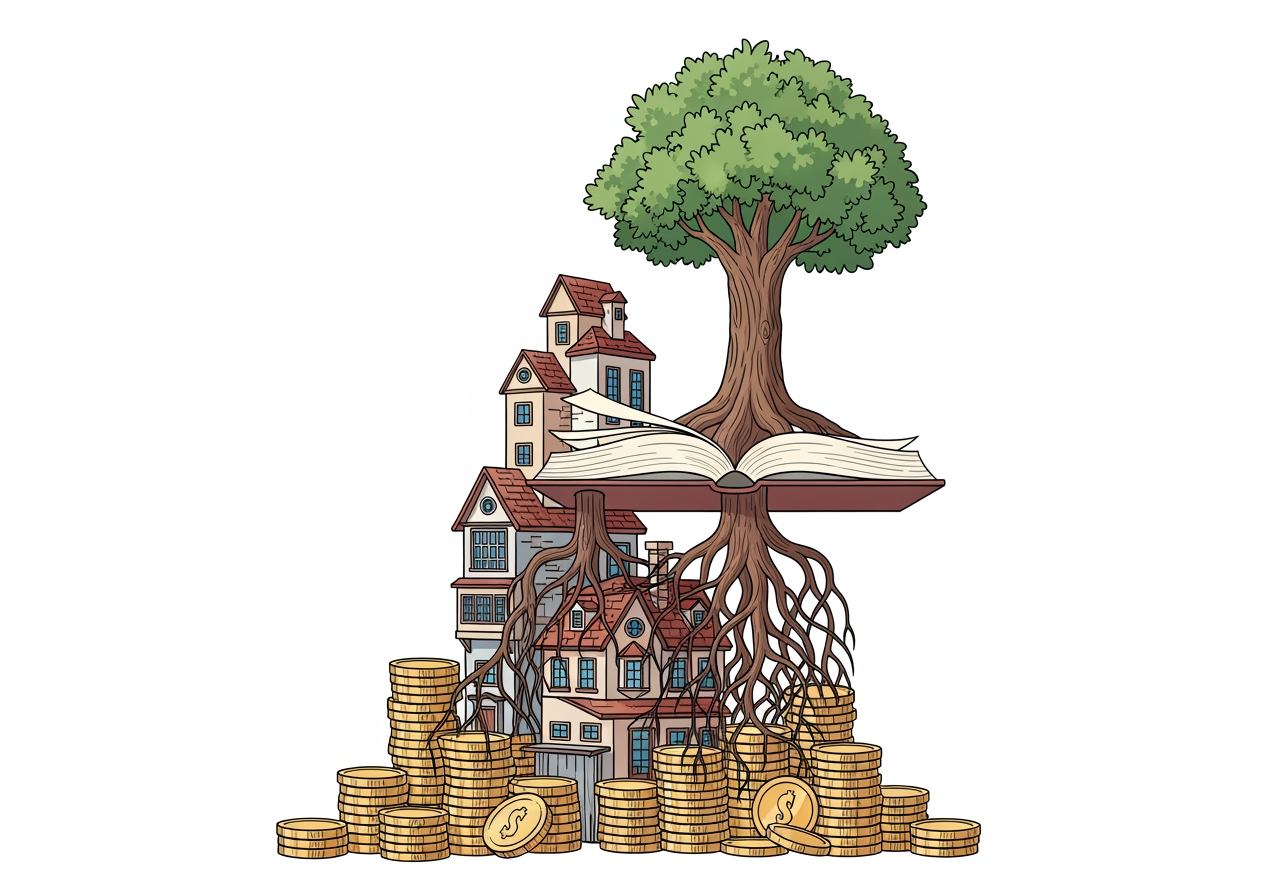
Generational wealth is more than just a sum of money; it’s a comprehensive ecosystem of assets, knowledge, and values passed down through a family. At its core, generational wealth refers to the financial and non-financial assets that are accumulated and built over time, then strategically transferred from one generation to the next. This transfer aims to provide future generations with a significant head start, offering financial security, educational opportunities, and the capital to pursue entrepreneurial ventures or personal passions.
The importance of generational wealth cannot be overstated. It can break cycles of poverty, provide a safety net during economic downturns, and foster a family’s long-term prosperity. It creates a foundation upon which each succeeding generation can build, rather than starting from scratch.
The Two Sides of Wealth: Financial and Human Capital
When we talk about generational wealth, we often immediately think of tangible financial assets. These include:
- Property: Real estate, whether residential or commercial, often appreciates over time and can generate rental income.
- Businesses: Family-owned businesses can be a powerful source of wealth, providing income, employment, and a legacy of entrepreneurship.
- Investments: Stocks, bonds, mutual funds, ETFs, and other investment vehicles that grow over time through capital appreciation and dividends.
- Cash and Savings: Liquid assets that provide immediate financial stability.
- Retirement Accounts and Life Insurance: These ensure financial provisions for future generations.
However, a truly robust generational wealth strategy recognizes the equally vital role of non-financial assets, often referred to as human capital. These intangible assets are the bedrock upon which financial wealth is sustained and grown:
- Education and Knowledge: Providing access to quality education, fostering financial literacy, and promoting continuous learning equips heirs with the skills to manage and expand wealth. People with a college education, for instance, earn, on average, $1.2 million more over their careers compared to those with only a high school diploma.
- Values and Ethics: Instilling principles of responsibility, stewardship, philanthropy, and hard work ensures that wealth is used wisely and ethically.
- Social Capital: Networks, relationships, and community involvement can open doors to opportunities and provide invaluable support.
- Health and Well-being: Investing in the physical and mental health of family members contributes to their overall capacity to contribute and thrive.
The transfer of knowledge, values, and skills is arguably more critical than the transfer of money itself. Without the former, the latter is often squandered.
Common Problems to Preserving Wealth
Despite the best intentions, preserving generational wealth is fraught with challenges. The adage “shirtsleeves to shirtsleeves in three generations” vividly illustrates the common pattern of wealth accumulation by the first generation, consumption by the second, and depletion by the third. Several factors contribute to this phenomenon:
- Mismanagement of Funds and Lack of Financial Literacy: A primary reason for wealth erosion is the inheritors’ inability to manage it effectively. Without proper financial education, heirs may make poor investment decisions, overspend, or fall prey to scams. The excitement of a sudden windfall can quickly turn into financial distress if not handled with discipline and knowledge.
- Family Conflicts and Communication Breakdown: Money can be a significant source of discord. Disputes over inheritances, differing values regarding wealth management, and a lack of transparency can tear families apart and lead to costly legal battles, eroding the very wealth intended to unite them. Without clear communication and a shared vision, family wealth can become a curse rather than a blessing.
- Inadequate Planning: Many families fail to put comprehensive estate plans in place. This can lead to assets being tied up in probate, significant tax liabilities, or distribution contrary to the original wealth creator’s wishes. A lack of succession planning for family businesses can also lead to their collapse upon the founder’s passing.
- External Economic Pressures: Inflation, market downturns, and changes in tax laws can significantly erode wealth if not proactively managed. Economic fluctuations, as seen during the 2008 financial crisis or the COVID-19 pandemic, remind us of wealth’s vulnerability to macroeconomic forces. Without strategies to mitigate these risks, even substantial wealth can diminish over time.
- Taxation: Estate taxes, gift taxes, and capital gains taxes can take a substantial bite out of transferred wealth if not strategically planned for. Understanding and utilizing available exemptions and deductions is crucial for maximizing the amount that reaches future generations.
Addressing these challenges requires a proactive, holistic, and long-term approach that integrates financial planning with family education and robust legal structures.
A Blueprint for Your Generational Wealth Strategy

Building generational wealth requires a deliberate and structured approach, much like constructing a sturdy building from a detailed blueprint. It’s about laying a strong financial foundation, implementing smart investment and transfer strategies, and continuously adapting to changing circumstances. This blueprint encompasses core investment principles, essential estate planning, and tax-efficient transfers, all designed to ensure your legacy endures.
Core Investment and Growth Principles
The cornerstone of building generational wealth lies in smart investing and disciplined growth. It’s not enough to simply accumulate wealth; it must be actively managed to grow and outpace inflation over decades.
- Compound Interest: The Eighth Wonder of the World: Starting early and investing consistently is paramount due to the power of compound interest. This phenomenon allows your earnings to generate further earnings, creating an exponential growth curve. For example, with a 10% return on investment, you can turn $100,000 into $1.6 million in 28 years. The longer your money is invested, the more time compounding has to work its magic.
- Diversification: Spreading investments across various asset classes (stocks, bonds, real estate, alternative investments) and industries is crucial to mitigate risk. A diversified portfolio is less susceptible to the volatility of any single asset or market sector.
- Long-Term Perspective: Generational wealth is built over decades, not years. Adopting a long-term investment horizon allows you to ride out market fluctuations and benefit from the overall upward trend of the economy. Trying to “time the market” often leads to missed opportunities and suboptimal returns.
- Disciplined Investing: This involves consistent contributions, regular rebalancing of your portfolio, and avoiding impulsive decisions based on short-term market noise. Wealthy families invest consistently with a long-term perspective, prioritizing income generation, tax-efficient investing, and sustainable market strategies.
- Strategies for High-Net-Worth Families: High-net-worth families often employ more sophisticated strategies. This includes disciplined investing in a variety of assets, including alternative investments like private equity, hedge funds, or venture capital, to diversify and generate passive income once core financial needs are met. They also focus on tax-efficient investing and leveraging their existing wealth to create even larger net worths. For those managing significant assets, understanding the nuances of UHNWI generational wealth strategies can provide further insights into advanced investment and capital preservation techniques.
Essential Estate Planning and Tax-Efficient Transfers
Effective estate planning is the bridge that carries your wealth from one generation to the next, minimizing taxes and ensuring your wishes are honored.
- Wills and Trusts: While a will designates beneficiaries, a trust offers greater control over how and when assets are distributed. Trusts can protect assets from creditors, minimize estate taxes, avoid probate (a public and often lengthy legal process), and provide for beneficiaries with special needs. Revocable trusts offer flexibility during your lifetime, while irrevocable trusts provide stronger asset protection and tax benefits.
- Lifetime Gifting: Utilizing the annual gift tax exclusion is a powerful way to transfer wealth tax-free during your lifetime. Individuals may gift up to $19,000 annually to any individual without incurring federal gift tax liability or using their lifetime exemption. For example, a couple could gift $38,000 to each child or grandchild each year without tax implications. Gifts exceeding this amount begin to reduce your lifetime exemption.
- Federal Estate Tax Exemption: As of 2025, individuals may transfer up to $13.99 million during their lifetime or at death without incurring federal gift or estate taxes. This exemption is substantial, but careful planning is still needed, especially for ultra-high-net-worth individuals, as any amount above this threshold is subject to a 40% federal estate tax.
- Life Insurance in Trusts: Life insurance can be a highly effective tool for generational wealth. When held within an irrevocable life insurance trust (ILIT), the death benefit can be excluded from your taxable estate, providing a tax-free inheritance to beneficiaries or liquidity to pay estate taxes.
- Marital and Charitable Deductions: Assets transferred to a spouse are generally exempt from estate tax due to the unlimited marital deduction. Similarly, transfers to qualified charities do not count against the lifetime exemption and can provide significant tax benefits, aligning philanthropic goals with tax-efficient wealth transfer.
A holistic approach to generational wealth and asset protection is crucial for long-term success, ensuring that your assets are safeguarded against unforeseen circumstances and transferred efficiently. This involves not only legal structures but also ongoing review and adaptation of your plan.
Integrating Philanthropy into a Generational Wealth Strategy
Philanthropy is not just about giving back; it can be a powerful component of a generational wealth strategy, fostering family values, creating a shared purpose, and offering significant tax advantages.
- Family Foundations: Establishing a family foundation allows you to involve multiple generations in charitable giving, teaching them about financial management, governance, and the impact of their contributions. It creates a lasting legacy of generosity.
- Donor-Advised Funds (DAFs): DAFs offer a simpler, more flexible alternative to private foundations. You contribute assets, receive an immediate tax deduction, and then recommend grants to charities over time. This allows for family involvement in giving without the administrative burden of a private foundation.
- Instilling Values of Giving: Integrating philanthropy into your wealth strategy helps cultivate a culture of giving among family members. It teaches responsibility, empathy, and the importance of using wealth for positive societal impact, reinforcing non-financial assets.
- Tax Benefits: Charitable giving can provide significant tax deductions, reducing income, capital gains, and estate taxes. These benefits can help preserve more wealth within the family unit while simultaneously supporting causes important to your legacy.
Cultivating Stewards: The Human Element of Lasting Wealth
While financial and legal structures are vital, the true endurance of generational wealth hinges on the human element: the preparedness and mindset of the inheritors. Without cultivating responsible stewards, even the most carefully planned financial legacy can falter. This involves robust financial education, open communication, and the strategic involvement of younger generations.
The Power of Financial Education and Literacy
The most profound legacy we can leave is not just money, but the knowledge and skills to manage it. Financial education and literacy are paramount for ensuring that future generations are equipped to preserve and grow the wealth they inherit.
- Teaching Heirs about Investing and Stewardship: Start early. Age-appropriate financial education can begin with simple concepts like saving, budgeting, and the difference between wants and needs. As children mature, introduce them to investing principles, tax efficiency, and the responsibilities of wealth stewardship. This proactive approach helps prevent the mismanagement of funds that often leads to wealth dissipation.
- Age-Appropriate Financial Education: For younger children, this might involve games about money, opening a savings account, or involving them in family budgeting decisions. For teenagers and young adults, it could mean discussing investment basics, understanding tax implications, and even participating in philanthropic decisions.
- Leading by Example: Children often learn best by observing. Demonstrating responsible financial management, discussing financial decisions openly (where appropriate), and showing the benefits of saving and investing can have a lasting impact.
- Developing a Positive Money Mindset: Beyond technical knowledge, fostering a healthy attitude towards money—seeing it as a tool for opportunity, security, and impact rather than just for consumption—is crucial. This mindset encourages long-term thinking and responsible decision-making.
Building a Collaborative Team for Your Generational Wealth Strategy
Managing complex generational wealth requires a multidisciplinary approach, often involving a team of trusted professionals. The wealthiest families understand that relying on a single advisor is insufficient; instead, they build a collaborative team whose expertise spans various critical areas.
Here are the key professionals typically involved in a comprehensive generational wealth strategy:
- Financial Planners: These professionals help create a holistic financial roadmap, aligning your financial goals with your values and ensuring all aspects of your financial life are integrated. They assist with budgeting, savings, investment allocation, and retirement planning.
- Estate Planning Attorneys: Essential for drafting legal documents like wills, trusts, and powers of attorney. They ensure your assets are protected, transferred according to your wishes, and minimize estate taxes and probate complications.
- Tax Strategists/CPAs: These experts provide guidance on tax-efficient investment strategies, charitable giving, and wealth transfer methods. They help steer complex tax laws to minimize liabilities for both the current and future generations.
- Investment Specialists/Wealth Managers: These advisors manage investment portfolios, ensuring they are diversified, aligned with risk tolerance, and positioned for long-term growth. They stay abreast of market trends and adjust strategies as needed.
- Fiduciary Advisors: Crucially, seek advisors who operate under a fiduciary standard, meaning they are legally obligated to act in your best financial interest. This provides an added layer of trust and protection.
This collaborative team works together to ensure every decision is tax-optimized, legally sound, and aligned with long-term family goals. They provide the expert guidance needed to steer the complexities of wealth management, allowing families to focus on cultivating their human capital.
Frequently Asked Questions about Building Generational Wealth
What is the most important first step for an average-income family to start building generational wealth?
The most important first step for an average-income family is to establish a strong financial foundation. This begins with aggressive debt management, particularly high-interest consumer debt, to free up cash flow. Simultaneously, building an emergency fund (typically three to six months of living expenses) provides a crucial safety net. Once these are in place, the next critical step is to automate small, consistent investments. Even modest contributions, when started early, can leverage the power of compound interest over decades, turning small sums into significant wealth for future generations.
How can families avoid the “shirtsleeves to shirtsleeves in three generations” curse?
Avoiding this common pitfall requires a deliberate and multi-faceted approach focused on proactive planning and education. Firstly, prioritize comprehensive financial education for all heirs, teaching them about responsible money management, investing, and the importance of stewardship. Secondly, establish open communication within the family about finances, values, and the purpose of the family wealth to foster a shared vision. Thirdly, implement robust legal and financial structures, such as various types of trusts, to protect assets from mismanagement, creditors, and excessive taxation. Regular family meetings to discuss financial matters and review the wealth plan are also essential to ensure alignment and adaptation over time.
At what point should I involve professional advisors in my planning?
While it’s never truly too early to seek general financial guidance, you should actively seek professional advice when your financial situation becomes complex, or you have specific goals related to wealth transfer and protection. Key milestones include starting a business, having children, accumulating significant assets (e.g., purchasing a home, having substantial investments), or when you want to create a formal estate plan. Professional advisors, including financial planners, estate attorneys, and tax strategists, can help you steer intricate legal and tax landscapes, optimize your investments, and ensure your wealth is managed and transferred according to your wishes, minimizing potential pitfalls and maximizing benefits for future generations.
Conclusion
Building a lasting legacy through generational wealth is a profound endeavor, extending far beyond the accumulation of money. It is a strategic journey that intertwines financial acumen with family values, education, and proactive planning. We’ve explored the critical components of this journey: understanding the dual nature of financial and human capital, navigating common challenges, and implementing a robust blueprint for growth and preservation.
From leveraging the power of compound interest and disciplined investing to the essential roles of estate planning, tax-efficient transfers, and integrating philanthropy, every strategy plays a vital part. However, the true strength of any generational wealth plan lies in its human element—cultivating financially literate and responsible stewards through education, open communication, and collaborative family governance.
Generational wealth is a powerful tool for opportunity, not just for financial gain. It can empower future generations to pursue their dreams, contribute to their communities, and build upon the foundation you’ve carefully laid. By embracing a proactive, written plan and assembling a trusted team of advisors, we can ensure our legacy transcends mere money, creating a lasting impact that benefits our families and society for generations to come.


